Posts Tagged ‘My World’

Well, golly gee, what has happened to the month of March?! It has been RACING past and I am feeling more than a little breathless trying to come to terms with April looming only a few days away.

To my great shame the poor old blog has been terribly neglected lately. I’ve been reading some fantastic stuff (and some not so great stuff, too) and I do so wish to write about it all but everything else seems to be bumping my typing time.

I’m still here, though mostly in spirit versus in any sort of a practical way.

A proper post soon – I promise! And I’ll update the header picture to something more seasonal, and maybe do some long-overdue tweaking to the sidebar stuff.

Happy Spring, everyone.

Read Full Post »

Surfacing Momentarily.

Well, I made it through our recent regional vocal, choral and dance festivals in one piece (and very happily, as the performances were, as always, absolutely stellar), only to be broadsided by a completely unexpected situation regarding parental displeasure as to some adjudicators’ decisions.

It’s boiled over and become nasty enough for me to be seriously considered packing my directorship bags and quietly leaving the building, as it were. Having given many years of invisible and earnest backstage support to this community project, I can quite proudly say that I am leaving things in better shape than when I first became involved as part of an ad hoc “rescue committee” when the previous executive walked away en masse, but I now have a first-hand appreciation of why they did so.

Some folks thrive on high emotion and created drama; I am not one of them. I yearn to come peacefully back to the books, my only Big Important Decisions being whether to next read a Wharton, a Whipple or a Pym.

I’ve managed to read some interesting things in the brief moments of downtime I’ve snatched from the fray this past week; a book post will be coming shortly.

I’ve recently read about an young Englishwoman making a solo horseback journey across Canada in the first years of World War II, and discovered diverting modern(ish) novels by A.N. Wilson and W.D. Valgardson, just to mention a few. I do so want to talk about these, and some others, but it will have to wait until another day. (Is that the phone I hear ringing? Deep breath, and back into the fray!)


Read Full Post »

What a whirlwind of a half-month this February has been. I’ve just today cleared my desk of a major clerical project which has kept me busy from early morning hours till late at night for the last several weeks, the creation of the hundred-page program for our regional youth performing arts festival, and all that is left now (of that particular project at least – others still loom) is the tidying up – the clearing away of pages of scribbled notes from my desk, no-longer-needed files from my computer desktop, and scads of red-flagged messages from my email inbox.

Every moment not typing, proof-reading or chasing down errant schedules and discipline directors has been spent up a ladder hammering, sanding or painting, as we are still very much in carpentry-home-renovation mode, though we did take a day or two away to do some highly enjoyable old-car shopping, dallying with the idea of acquiring an older Jaguar, and going so far as test-driving a not-very-well-kept mid-1980s XJ Sovereign. That was fun enough in its way, but we reminded ourselves that playing about with shabby ex-luxury cars is all well and good, what we really need is a new-to-us one-ton farm truck.

So  we bought a Mercedes.

And not a relatively sensible newer Mercedes, or a jaunty coupe or convertible to join the several other vintage sports cars we cherish with quiet pride, but a getting-on-elderly – well, in car years – 1972 – decidedly sedate, 4-door W114-250/8 sedan, the same model used for several decades as a taxi throughout Europe, Africa and the Middle East. It’s had a cosmetic facelift, but is completely stock under the shiny new paint – the engine compartment and interior tell the true tale. Though definitely mature, she purred along very nicely when we took her for a test drive, and her obvious good nature completely won us over. (And she wasn’t all that expensive, as these sorts of cars go. A bit of a deal, in fact. Or so we fervently hope!)

xxx

Meet Hanamori, a reference which Japanese manga-anime lovers will surely catch, though which I expect will bemuse the uninitiated. Living with a teenager and sharing a single video screen situated in our home’s common area leads to these sorts of odd cultural exposures. (Hint to those who might have an idea of what we’re talking about: Remember the Mercedes Benz otaku chauffeur in Princess Jellyfish? We thought any sort of good karma might help, and the jokingly proposed name seems to be sticking. Though PJ‘s particular Hanamori is very much masculine, the name itself is generally regarded as feminine in most contexts, with reference to flowers, so we will see how it suits in practice. We now need a small Clara as a mascot, to tuck into the glove box, being utterly averse as “serious” car people to things dangling from the rear-view mirror.)

Well, don’t get the wrong idea about my life, for it’s definitely not all beer and skittles around here, and the fates, deciding I was much too happily giddy gloating over my nice new-to-me toy, threw in a humbling twist.

Several days ago I took a tumble and pulled my hamstring, and have been in varying degrees of discomfort ever since. (On a scale of 1 to 10, 10 being the worst pain one can imagine, as the triage nurses in Emergency like to say, I have at times this week hit a solid 8. Honest truth. This relatively unserious but completely debilitating injury is painful.) I can’t properly walk, let alone drive or climb ladders, and sitting too long at my computer has been agony, though I did manage to prop myself up in a delicately balanced position which allowed the completion of the paperwork project.

Now that I’ve conquered that, I shall at last take my doctor’s sage advice, put my feet well up for at least part of each day, and settle down to some recreational reading while waiting for this thing to heal enough to allow a return to some sort of normal mobility. Which also means I may swap my computer for my daughter’s laptop, and pound out a few book reviews.

A silver lining to this personal cloud, in fact.

Next post, back to books.


Read Full Post »

Well, this seems like a marvelous idea. Many thanks to Jane at Fleur in her World for giving me the nudge I needed to look back on the year in reading and blogging.

In her words:

The last month of the year is here, and so it’s time to play a particular game:

“Take the first line of each month’s post over the past year and see what it tells you about your blogging year.”

It’s an idea that started with The Indextrious Reader, I spotted Annabel playing a day or two ago, and that reminded me that it really is an interesting way to look back at a year…

I’m enjoying this game greatly when I encounter it on various book blogger’s sites this month. Some of the results are wonderfully intriguing. I wonder what mine will look like? Here we go, then.

January

“Why are they whetting knives at Branehog?”

From A Swedish Ghost Story for a Dark Winter’s Night: The Treasure by Selma Lagerlof, first published in 1904.

February

She does it again. Just when I thought I knew everything there was to know about Margery Sharp’s eclectic style, she pulls something new out of the hat.

From The Sun in Scorpio by Margery Sharp, 1965.

March

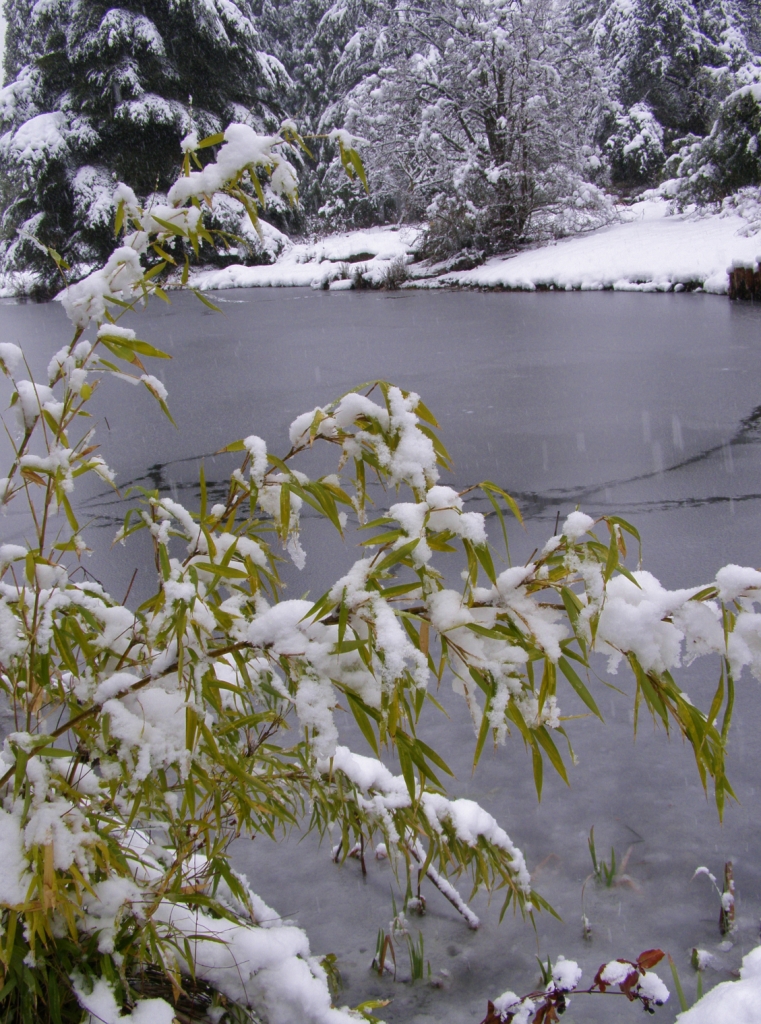
Van Dusen Garden in Vancouver, February 24, 2014 - There are spring flowers out there, buried for the most part under the unexpected snow.

Van Dusen Garden in Vancouver, February 24, 2014 – There are spring flowers out there, buried for the most part under the unexpected snow.

The last part of February passed in an absolute blur, and I’ve been away from the blog completely but for brief moments to reply to comments.

From Back to Books, March 5, 2014. I was away in Vancouver, in the snow, and I visited the blog briefly to give an update and post a few pictures. That was a busy month…

April

The next three books in my series of Round-Up posts all involve some sort of autobiographical experiences, though they are presented in different ways. Gavin Maxwell’s Harpoon Venture is self-critical and hyper-realistic; Rosemary Taylor’s Harem Scare’m goes for the gently self-mocking humorous approach, while W.H. Davies’ The Autobiography of a Super-Tramp is in the nature of a unemotionally-documented saga, told in the plainest of language by a man looking backwards down the years at his unconventional and occasionally dramatic vagabond (quite literally) days.

From Round-Up Post #2-2014: Gavin Maxwell Hunts Basking Sharks, The Moroccan Rif War Through Innocent Eyes, and The Original Super-Tramp, April 5, 2014.

May

I am breaking my several-weeks’ book-discussing silence to applaud this brief novel by the increasingly enjoyable Muriel Spark.

From Diet Advice and Literary Revenge: A Far Cry from Kensington by Muriel Spark, 1988.

June

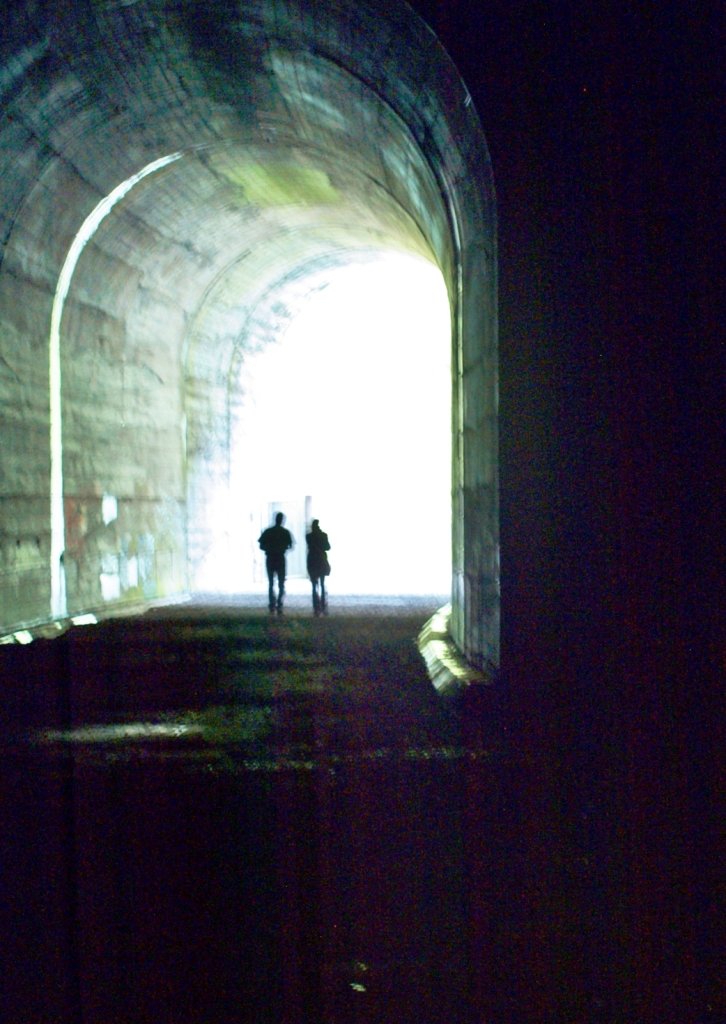
There's a light at the end of the tunnel... in this case, that would be the extremely cool (literally) abandoned Othello railway tunnels near Hope, British Columbia. Yes, we've been travelling! Not too far away from home, just touristing in the backyard, as it were. This is about 5-ish hours driving hours from home, not counting numerous stops.

There’s a light at the end of the tunnel…

There’s a light at the end of the tunnel… in this case, that would be the extremely cool (literally) abandoned Othello railway tunnels near Hope, British Columbia. Yes, we’ve been travelling!

From One. More. Thing. (And then I’ll get back to the books!) June 3, 2014

July

Hmmm. Though doubtless a good example of period fiction and an early precursor to the detective-story genre which so abundantly flourished in the decades after Lady Molly’s publication, for actual reading experience the book was not quite as fabulous as I had hoped.

From Class Divisions Were Never So Distinct: Lady Molly of Scotland Yard by The Baroness Orczy, first published in 1910.

August

This post should be extremely easy to write, as it is merely meant to be an enthusiastic recommendation of two things. First and foremost, this stellar memoir by Dodie Smith (I Capture the Castle, The Hundred and One Dalmations), detailing with immense good humour her childhood days in Manchester, when she lived with her widowed mother in a series of family homes.

From Look Back with Love by Dodie Smith: A Ten-Star Memoir, 1974.

September

Prefacing this sure-to-be-rambling post with this information, for those of you who wonder what I’m actually talking about way down below. As different as can be in time periods and settings, but all at heart clinging to a similar traditional structure, that of the Gothic Romance Novel.

From Gothic Concoctions – Mary Stewart’s French Chateau Drama Trumps Georgette Heyer’s Boring Cousin Kate & Madeleine Brent’s Spunky Cornish Fishergirl, September 6, 2014.

October

Pacific Ocean at Long Beach, western side of Vancouver Island. Next landfall, Japan.

Pacific Ocean at Long Beach, western side of Vancouver Island. Next landfall, Japan.

This space has been very quiet lately, and there is the happy reason why, as mid-September brought a rare chance to get away from work and the farm for a few weeks, and with that escape, a time away from the computer.

From September Rambles: My Semi-Secret Automobile Love, and a Pilgrimage to the Pacific, October 2, 2014.

November

Well, now. Some of you will have heard about the recent crash-and-burn of one of Canada’s more prominent radio hosts, Jian Ghomeshi of CBC Radio’s popular “Q” music and pop culture program.

From In Reference to Recent Headlines, a Post from the L&P Archives: 1982 by Jian Ghomeshi, November 5, 2014.

December

Well, I might just make it to my Century of Books (2014 version) goal. That is: 100 books read and reviewed from January 1, 2014 to December 31, 2014, one for each year between 1900 and 1999. I have 8 years left to read, and 3 weeks to read them in – still quite do-able.

From My Century of Books 2014 – The Deadline Looms!, December 5, 2014.

*****

Well, there it is!

If a theme emerges, it is that of perpetually playing catch-up. It’s been a very odd year in so many ways, some bits good, some not so much.

I took a sabbatical year from my small plant nursery business, and we travelled much more than we usually are able to. I especially enjoyed the rambles we managed in the spring – usually I am much too busy with plants to even think of getting away on a jaunt.

In June my elderly mother passed away, peacefully and utterly unexpectedly – she’d been holding her own tremendously well through a variety of health challenges, and I think we all thought she’d just keep on keeping on. So the year from then on has been shadowed by sadness. Most days are fine, but occasionally I find myself very lost, which is to be expected, I suppose.

On a happier note, I’ve been tackling A Century of Books project this year, and it has been hugely enjoyable. Only a few (four!) left to read, and of course a tremendous number of reviews to concoct. Which is what I should be doing instead of taking part in this diverting little look-back game! 😉

What does your year look like, fellow book people?


Read Full Post »

Well, I might just make it to my Century of Books (2014 version) goal. That is: 100 books read and reviewed from January 1, 2014 to December 31, 2014, one for each year between 1900 and 1999. I have 8 years left to read, and 3 weeks to read them in – still quite do-able.

But the reviews…well…I think those might not be exactly in-depth – I have a fearfully large number to write about!

These past few weeks have been rather trying, in a number of small, niggling ways. Everyone’s been sick with various viruses, we’ve had some unplanned trips to the dentist, vehicles have been acting up, and we’re in the midst of some ambitious house renovations – tomorrow the dining room floor is coming apart, from the floor joists up, to be completely replaced and then followed by a ceiling to floor redo of the room.

What else? Oh yes, my faithful old computer printer died, right in the middle of a large clerical project for the upcoming regional performing arts festival, which I’m deeply involved in. To make things even more interesting, it has been very cold, well into the minus 20s Celsius. It’s warmed up a bit the last day or two, but now the prediction is for freezing rain. Oh, hurray.

And then there’s that whole Christmas thing. The first without my mother, who passed away in June of this year, and also mostly without my oldest child, who is now living away from home. I miss him quite a lot, though I’m glad he’s happily getting on with his life. We’ve just been discussing Christmas arrangements, and where everyone will be, and how to coordinate new schedules and commitments – it feels very strange.

Well, this too shall pass. It’s really just little stuff, and one feels very “first world problemish” even mentioning it, but there it is.

On the plus side, I’m back in my little office after its recent desperately-needed facelift, though the re-installed bookshelves are still empty and things are just kind of plunked down here and there in a very muddled fashion.

How are you other Century-of-Bookers making out? Please share!

It’s been a grand project, and I’ve greatly enjoyed it, even while getting pulled away into some bookish side paths.

Happy December, everyone, and I’ll try to get some more book-related posts up very soon.


Read Full Post »

I am writing from exile, as it were. My usual “happy place”, as my ever-so-clever and perhaps slightly cynical offspring often call it, is a small room which was once dedicated to the more formal of our homeschooling endeavours. Those students are all grown up now, and over the past few years the schoolroom has turned into a not-very-well-organized office area for yours truly.

It’s really quite lovely in there, with two tall windows overlooking the garden, and lots of bookshelves. The space is (was!) filled by a work table overflowing with stacks of crucial papers (mine) and art supplies (my daughter’s) and mostly empty music CD and computer game cases (my son’s), an ancient oak teacher’s desk – but not of the antique-variety ancient, sad to say, merely of the old, scarred and scuffed sort – and a file cabinet full of the oddest collection of things – an abandoned knitting project from back in 1994 (a wooly sweater for my then-newborn son, who outgrew it long before it was completed), an out-of-order telephone answering machine (even older than the sweater), a stack of my old school report cards from the early 1970s, a small tub of child-proof electric outlet covers and cupboard door latches, the official pedigrees of several horses long since departed for greener (celestial) pastures, a collection of brown paper bags…everything, in fact, except for things-to-be-filed, like receipts and bills and important papers.

The floor in the little room has needed some serious attention for some time – the old linoleum was worn through to the plywood below in the main travel area – and when a recent cold snap which put a sudden stop to outdoor projects had us looking about for a small, manageable, renovation project we zeroed in on this one.

Everything was hastily bundled out of the room and deposited willy-nilly wherever a space could be found. My computer has ended up in a little hallway nook which usually houses the telephone and directories and stacks of incoming mail and such; it’s just large enough to squeeze everything in, and here I sit in a state of some discomfort, pecking away at my keyboard in a much less congenial atmosphere than my private little room.

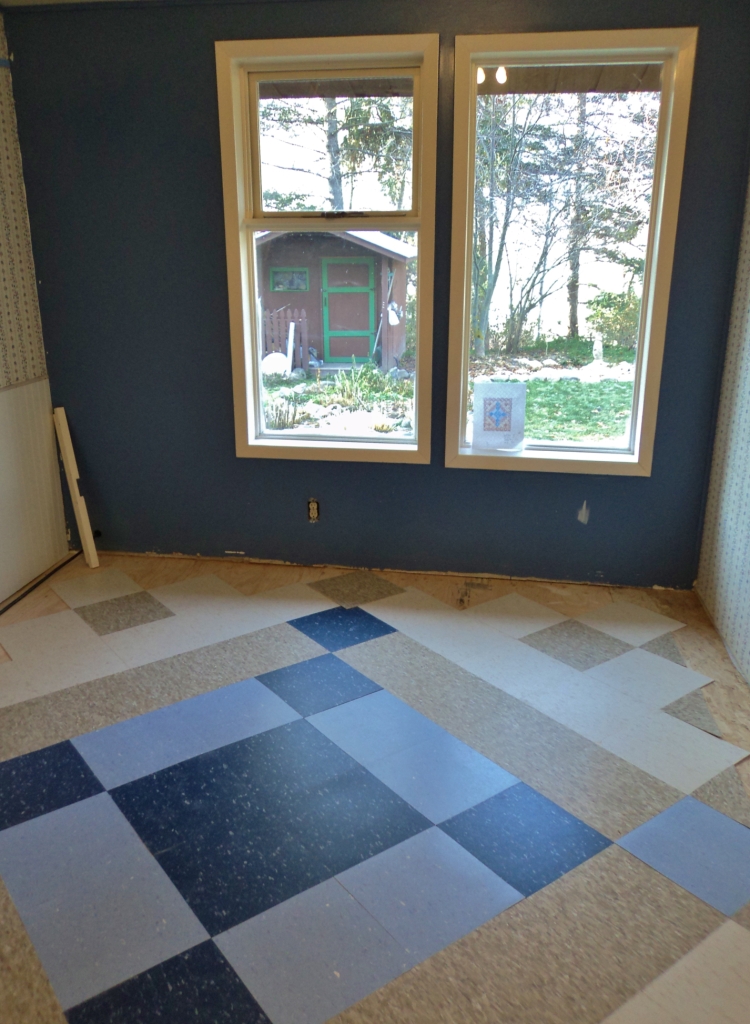
A (tiny!) room with a view. Note that there is NO SNOW outside the window - very unusual for this part of the world at time of year. Mentioning this should immediately bring the snowflakes drifting down...

Playing about with floor tile patterns in a (tiny!) room with a view. Note that there is NO SNOW outside the window – very unusual for this part of the world at time of year. Mentioning this should immediately bring the snowflakes drifting down…

We’ve ripped up the old floor, replaced a few iffy floor joists and all of the plywood, removed a huge corkboard which took up most of one wall, added wainscoting to another wall, and brought out the paint tins. The new floor tiles are stacked up waiting for the acquisition of a bucket of glue next time I’m in town, and if all goes well I should be back in residence in the next week or so.

The old wooden desk has been relocated and another, larger, more “professional” ex-office steel desk is taking its place; my new view will be out those previously-mentioned windows versus the wall in the corner. I’m not sure what this will do to my concentration level, but I’m thinking it will be a happy psychological development. 🙂

The bookshelves are being relocated, and the stacks of “juveniles” they now contain boxed up for temporary storage; my working library of horticulture books may replace them, or perhaps just another bunch of novels. Not quite sure yet. Books find their own way about, in my experience.

A large grow light stand for the germination of December- and January-sown perennial seeds is planned for the remaining space; the old stand was unceremoniously hauled outside during our last winter’s renovations, and as the plant nursery sabbatical period comes to an end (see Hill Farm Nursery for more on that aspect of my life) indoor early seed-sowing facilities are once again about to be required.

Oh, and the file cabinet is being emptied out, with high hopes that in its new life it will actually be used for its intended purpose – that of holding files. The “cardboard box filing system” which I have been using in the past is apparently going to change. Or so declares my perhaps-too-optimistic husband. 😉 We’ll see. About half of the stuff currently taking up space in the cabinet is his, so he’s hardly innocent of random stashing of “treasures” himself. It’ll be interesting to see what he makes of his stuff, and where it will end up! I have several empty cardboard boxes awaiting his pleasure…

Well, I did promise book notes too, didn’t I? So I think I will tuck a few in here on the end. Minor notes for minor books. These are all from the shelves in the now-ex-schoolroom. I enjoy occasionally reading from the juvenile stacks – well-written books easily cross genre and “intended-age” boundaries.
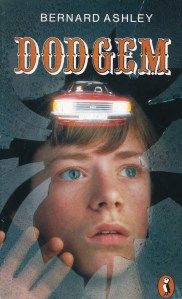
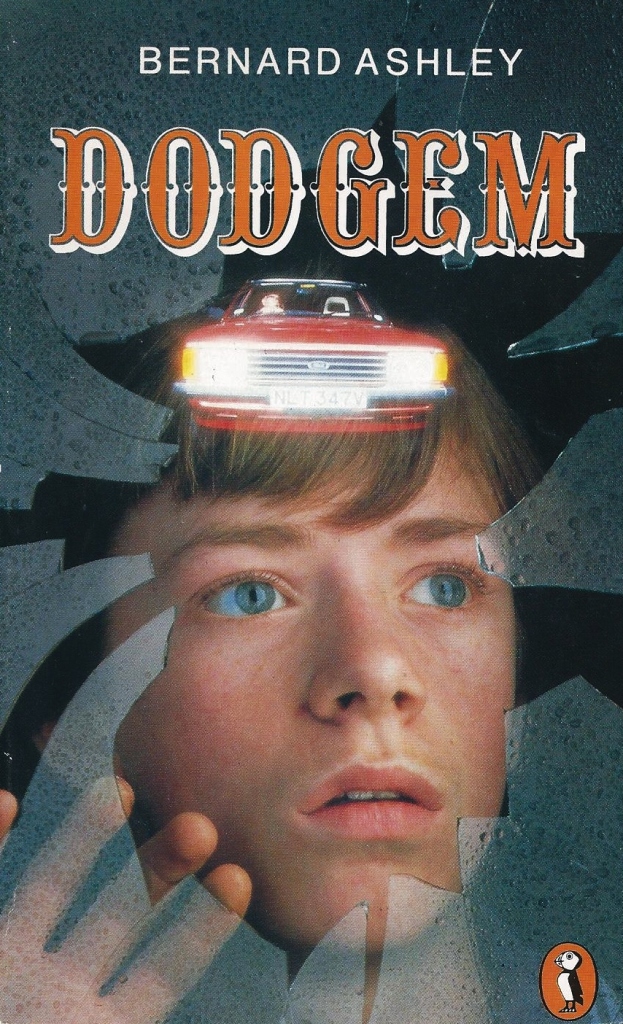
dodgem bernard ashley 001Dodgem by Bernard Ashley ~ 1981. This edition: Puffin, 1983. Paperback. ISBN: 0-1403-1477-6. 222 pages.

My rating: 6.5/10

A better-than-average “problem novel” by ex-headmaster and prolific children’s and young adult fiction writer Bernard Ashley – see his biography here.

Teenage Simon is in trouble with the Child Welfare; he’s been skipping school in order to care for his father, who has been in a state of severe clinical depression since the death of Simon’s mother, a death surrounded by questions, which have torn the small family even further apart in ways which will only become too apparent part way through the novel.

Simon ends up “in care”, and, desperate to return to his father, teams up with the seemingly emotionless Rose in a well-thought-out escape plot which seems at first to be daringly successful.

Decidedly well written and totally engrossing, this short novel, from early in Bernard Ashley’s writing career, was made into an acclaimed 6-episode British television series.

Scenes set in a juvenile care home and in a travelling carnival are excellent in their detail. Despite the young protagonist’s rage against the system which one completely sympathizes with, the adults are given as much time on the page as the teenagers. There is a quite remarkable balance of points-of-view, unusual in this sort of highly-contrived juvenile novel.

This is the only book by Bernard Ashley I’ve yet read, but if the writing quality stays the same in subsequent books he might be worth investigating further for those of you with young teens, or if you are merely open to reading novels targeted at younger-than-adult readers.

*****
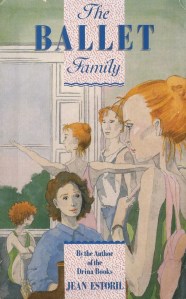
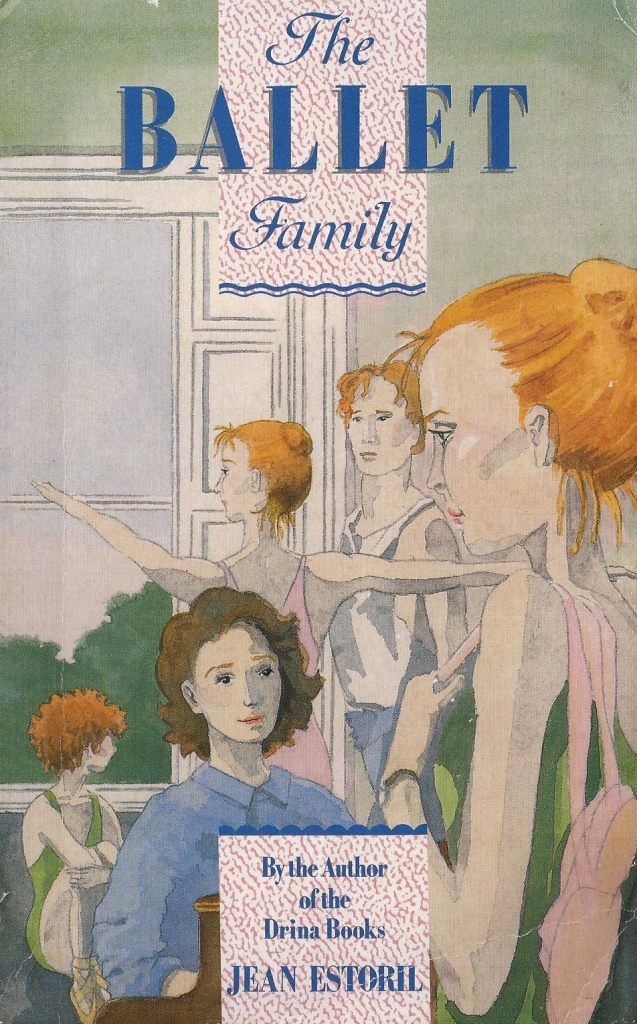
the ballet family jean estorilThe Ballet Family by Jean Estoril ~ 1963. This edition: Macdonald Children’s Books, 1989. Paperback. ISBN: 0-356-16797-6. 176 pages.

My rating: 6/10

Jean Estoril was one of the several pseudonyms of Mabel Esther Allan, a prolific writer of children’s books (Wikipedia reports 130) between 1938 and 1994. The “Jean Estoril” books were all concerned with the world of ballet, most notably a series about an orphaned aspiring dancer, one “Drina” (short for Andrina)  – Ballet for Drina, Drina’s Dancing Year, Drina Dances in Exile, and so on.

I am rather leery of juvenile series books, but in this case I may investigate further, for The Ballet Family, not about the afore-mentioned Drina but instead concerning a group of hyper-talented siblings and their orphaned cousin, is intriguingly good for its sort of thing. Better, in my opinion, than Noel Streatfeild’s ubiquitous (and perhaps over-rated? – others of her books are much, much better, in my humble opinion) Ballet Shoes, which I must confess causes me to grit my teeth here and there.

Mabel Esther Allan studied ballet in her younger years, and it shows, in a good way. The Ballet Family is quite marvellously realistic regarding the dance aspect, aside from the glorious improbability of the initial set-up.

Pelagia, Edward, Anne and Delphine Garland are all dancers and ballet mad. Their mother is a prima ballerina and their father a conductor of the ballet company orchestra.

When their cousin Joan is orphaned she comes down from Lancashire to live with Garlands in London. Confused and lonely, Joan finds it hard to fit in, especially as her cousins are rather wary of her and don’t understand how Joan could survive without knowing anything about ballet!

But Joan does survive and begins to enjoy her new life observing the ups and downs and tears and triumphs of her glamorous cousins.

Pelagia flits in and out of the story, being the eldest and very much concerned with her burgeoning career, Edward is a decent sort with sensible notions, Delphine is a spoiled brat who needs (and thankfully gets) a reality check, but the book is really mostly about middle sister Anne and her difficulties relating to her cousin, whom she finds nothing at all in common with, and whose apparently sullen attitude (she’s really deeply grieving the sudden loss of her beloved mother) precludes friendly girlish chats.

Joan finds her feet in her new life, and astounds the self-centered Garland family by displaying some talents of her own they had no inkling of. Bless the author – Joan does not turn out to be ballerina material – she doesn’t even try to go there, nor do the Garlands ever expect her too, for she is much too “old” to start, in their united opinion – her special talent is in a slightly different area.

A slight book, but very nicely done.

 She Reads Novels gives a glowing recommendation to some of Jean Estoril/Mabel Esther Allan’s books. I think I will be following up on these.

*****

green-knoweThe Children of Green Knowe by L.M. Boston ~ 1954. This edition: Faber & Faber, 1962. Illustrations by Peter Boston. Hardcover. 157 pages.

My rating: 7.5/10

A subtle classic of children’s literature, this novel calls one back to the elusive world of imaginative childhood, when all things are possible, and some things are downright magical.

Synopsis cut and pasted in directly from the Green Knowe Wikipedia page, because whomever wrote it did a lovely job of summation of the story set-up:

The Children of Green Knowe is the first of the six books written by Boston about the fictional manor house of Green Knowe. It was a commended runner up for the 1954 Carnegie Medal.

The novel concerns the visit of a young boy, Toseland, to the magical house of Green Knowe. The house is tremendously old, dating from the Norman Conquest, and has been continually inhabited by Toseland’s ancestors, the d’Aulneaux, later Oldknowe or Oldknow, family. Toseland crosses floodwaters by night to reach the house and his great-grandmother, Linnet Oldknow, who addresses him as Tolly.

Over the course of the novel, Tolly explores the rich history of his family, which pervades the house like magic. He begins to encounter what appear to be the spirits of three of his forebears—an earlier Toseland (nicknamed Toby), Alexander, and an earlier Linnet—who lived in the reign of Charles II. These meetings are for the most part not frightening to Tolly; they continually reinforce the sense of belonging that the house embodies. In the evenings, Mrs. Oldknow entertains Tolly with stories about the house and the children who lived and live there. Surrounded by the rivers and the floodwater, sealed within its ancient walls, Green Knowe is a sanctuary of peace and stability in a world of unnerving change.

The encounters of Tolly and his ghostly companions are reminiscent of similar scenes in some of Elizabeth Goudge’s books, being serenely beneficent rather than at all frightening. Though there are a few twists…
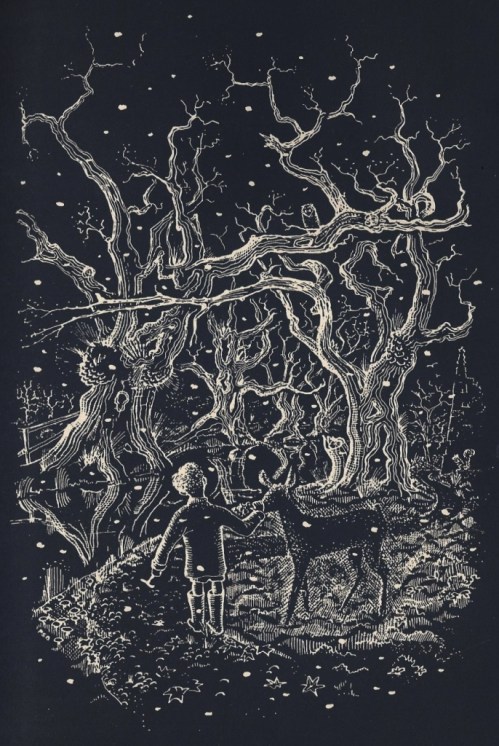
children of green knowe l m boston peter boston 001The full-page and in-text illustrations by Lucy M. Boston’s artist son Peter are intricately detailed in pen-and-ink and scraperboard technique; make sure the copy you share with your child (or read for yourself) has these included; many of the cheaper paperback and some later hardcover editions are missing these.

Perhaps I should have kept this review for closer to Christmas, as that celebration features strongly in one of the most charming incidents in the story.

In a word: Nice.


Read Full Post »

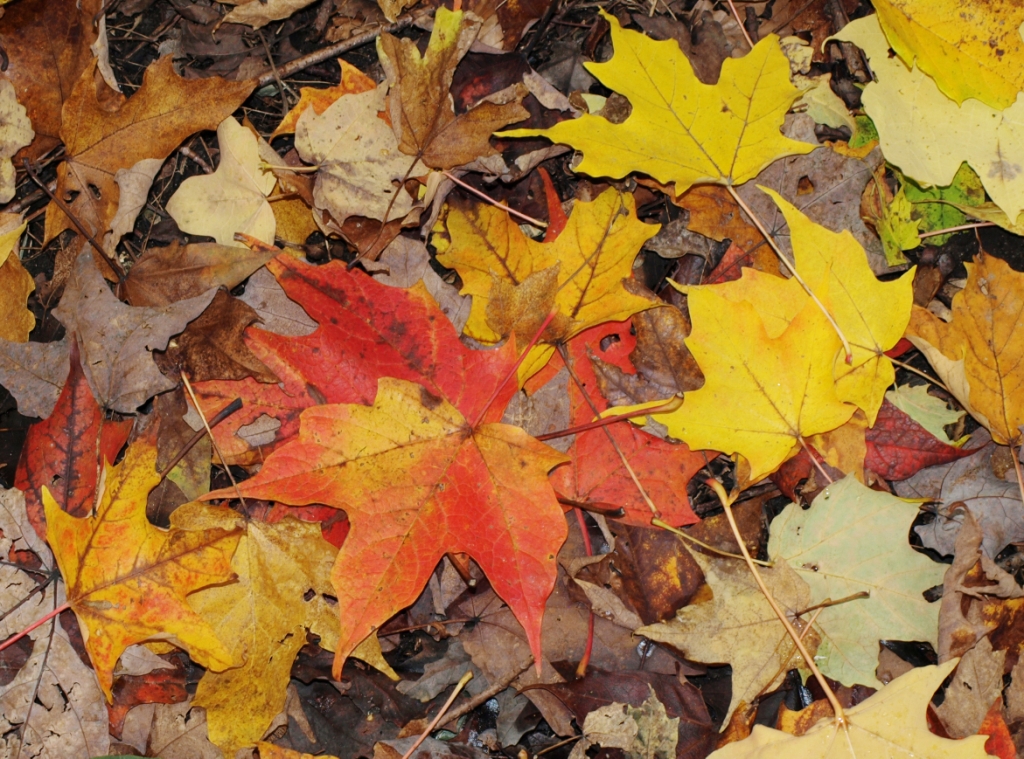
Sugar Maple leaves, Vancouver, B.C. October 2014.

Sugar Maple leaves, Vancouver, B.C. October 2014.

Well, this has turned into quite a long silence, here on the bookish blog. Completely unintentional, and nothing’s exactly wrong in my life, except for extreme busy-ness of the sort that has me turning in tight circles. If I were a juggler, Barnum and Bailey would be eyeing me with interest, for the balls are numerous and all – amazingly! – still up in the air and under some semblance of control.

Maybe I shouldn’t have said that. Touch wood!

I’ve been reading Rachel Peden lately, for I find she soothes my somewhat preoccupied mind. Some of you will know her. Those who don’t, a very quick bio. She was an Indiana farmer, naturalist, environmentalist and writer, and wrote a “rural life” column for big city newspaper syndication from the 1940s to the 1970s. She also wrote three highly esteemed books, full of anecdote and natural observations and personal philosophy. These were Rural Free (1961), The Land, The People (1966), and Speak to the Earth (1974). I prize my copies greatly, for they are full of passages such as this:

They come from everywhere, from nowhere, suddenly collected around whatever draws them: vinegar gnats around a bitten apple, people around an accident, fight or fire.

People want to hear about misfortune, wars, deaths, disasters, the bad news. Partly because inherent in man’s developing subconscious mind is the knowledge that change is inevitable and necessary, the very core of evolution.

But probably the greater reason for people’s fascination with bad news is spiritual, based in the deep subconscious mind where in pity and gratitude the onlooker thinks, “There but for the grace…” This is, in its way, a prayer of thanksgiving.

People who say, “I never pray,” are therefore as inaccurate as people who say, “I never dream.” For everybody prays, either consciously or unconsciously. Prayer is any thought or emotion that acknowledges a relationship between mankind and his fellow citizens of earth, and their mutual creative authority.

~Rachel Peden, Speak to the Earth


Read Full Post »

This space has been very quiet lately, and there is the happy reason why, as mid-September brought a rare chance to get away from work and the farm for a few weeks, and with that escape, a time away from the computer.

My husband and I are, as some of you already know, the proud possessors of a 1971 Triumph Spitfire (among a number of other vintage “project cars”, of which the less said perhaps the better, the old sports car interest being something of a joint secret life which we try to keep a low profile about, as it bemuses most of our friends) and once in a while we go all out and take her for a serious run.

Abandoning numerous pressing projects, we took part in a 3-day vintage sports car rally which started in Kelowna, progressed through southern interior B.C.’s Monashee Mountains, and ended southwest of Kamloops at the Quilchena Hotel on the Douglas Lake Ranch.

We had a well-timed breakdown on travel-to-the-rally-start day, and with the aid of a serendipitous series of exceedingly helpful old-British-car buffs and an early morning mechanical session in our hotel parking lot, we got Baby put back together again. That out of her system, she ran like a charm for the next 3 days, bringing us home again after better than 1000 miles of top-down driving under mostly sunny skies.

Sometimes things are better than anticipated. This trip was one of those. It was utterly perfect.

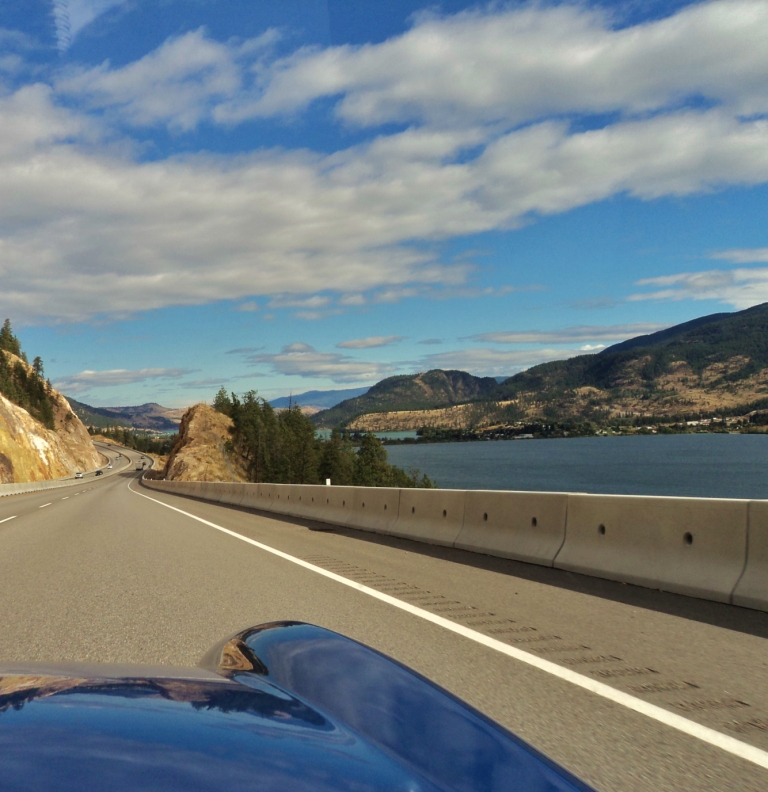
One of my favourite views - looking out over the Spitfire bonnet. The only better place is behind the wheel! Here we are heading towards Vernon, B.C., on Day 1 of a vintage car rally we participated in September 19-21.

One of my favourite views – looking out over the Spitfire bonnet. The only better place is behind the wheel. Here we are heading down the highway towards Vernon, B.C., on Day 1 of our 3-day rally. On the other side of Vernon we head off into the mountains, onto frequently narrow, highly scenic, beautifully curve-filled rural roads – perfect for our treasured cars to show off what they were really built for. Completely frivolous creations, but a whole lot of fun.

Day 3, with our Spit in the foreground as we all converge for a final meet-up and meal before going our separate ways.

Day 3, with our Spit in the foreground in the parking area of Douglas Lake Ranch’s historic Quilchena Hotel as we all begin to converge for a final meet-up and meal before going our separate ways, to points throughout B.C, with a few hardy souls heading home to Alberta and down into Washington State. (This is less than a third of the group – sadly I did not get a shot of all of us together – and it was a nicely eclectic group, with our working-class, 4-cylinder Spitfire on the lower end of the sports car hierarchy and a stunning 1955 Jaguar – red car, 5th in line – representing the posher end of the scale.)

We made it home, hastily parked the Spit without giving her the usual post-run wash-and-brush-up, and spent the next day frantically packing up our old camper in order to take our daughter on the trip to the ocean we’d promised her in the spring. “C’mon, let’s do this, it may be my last trip with you,” she kept saying, piling on a bit of the kids-all-grown-up angst on our parental heads, and though it was rather odd being a trio in the camper instead of a quartet – her older brother, now mostly moved out, came home and kindly farm-sat for us – it ended up being a very pleasant trip.

The weather had turned, bringing wind, cool weather, and rain, but we forged on regardless, and though we came home rather more exhausted than when we left, we’re glad we made the effort.

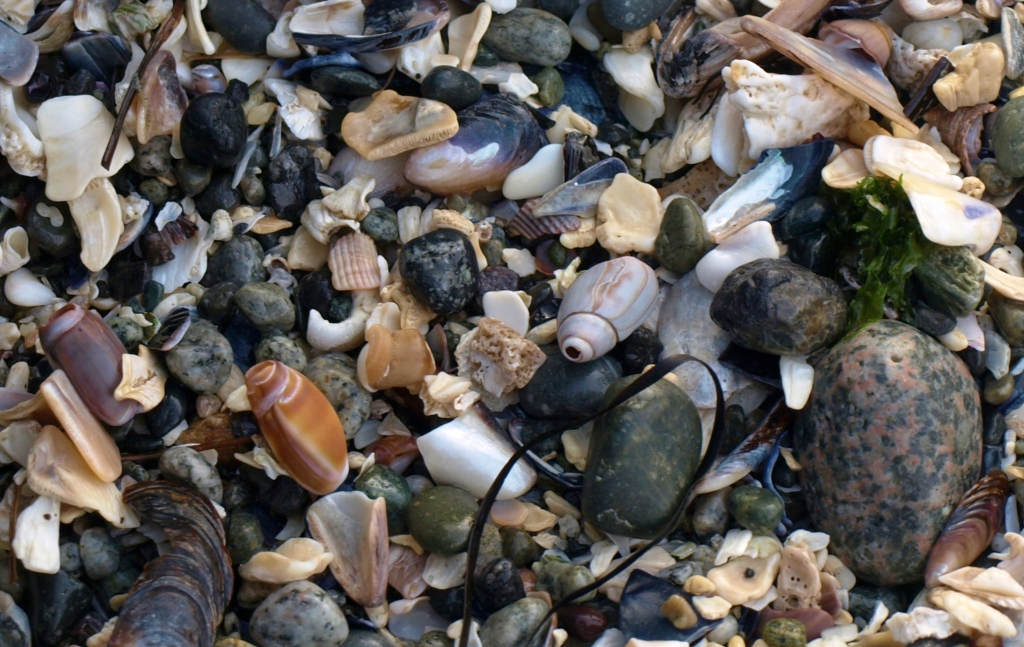
Beach walks, conversation, peaceful evenings, books. We then left the ocean more or less behind, and spent a day in Victoria, where we took in the Swedish History Museum’s touring Viking exhibit at the Royal B.C. Museum, and joined the tourist throng queuing for chocolates at the venerable Rogers Family confectionary store, before heading for the ferry line-up, and the long trek home.

It was great fun to get away, but it feels very good to be back. All of our projects are here still waiting for us – darn! – why couldn’t those have done themselves while we were gone?! – but we’re all the happier for our two weeks away.

And here are some photos from the trip, a very small sampling of where we went and what we saw.

The next post will be back to books – the pile of to-be-talked-about has grown to ridiculous proportions. I think a round-up post or two may be in order.

Pacific Ocean at Long Beach, western side of Vancouver Island. Next landfall, Japan.

Pacific Ocean at Long Beach, western side of Vancouver Island. Next landfall, Japan.

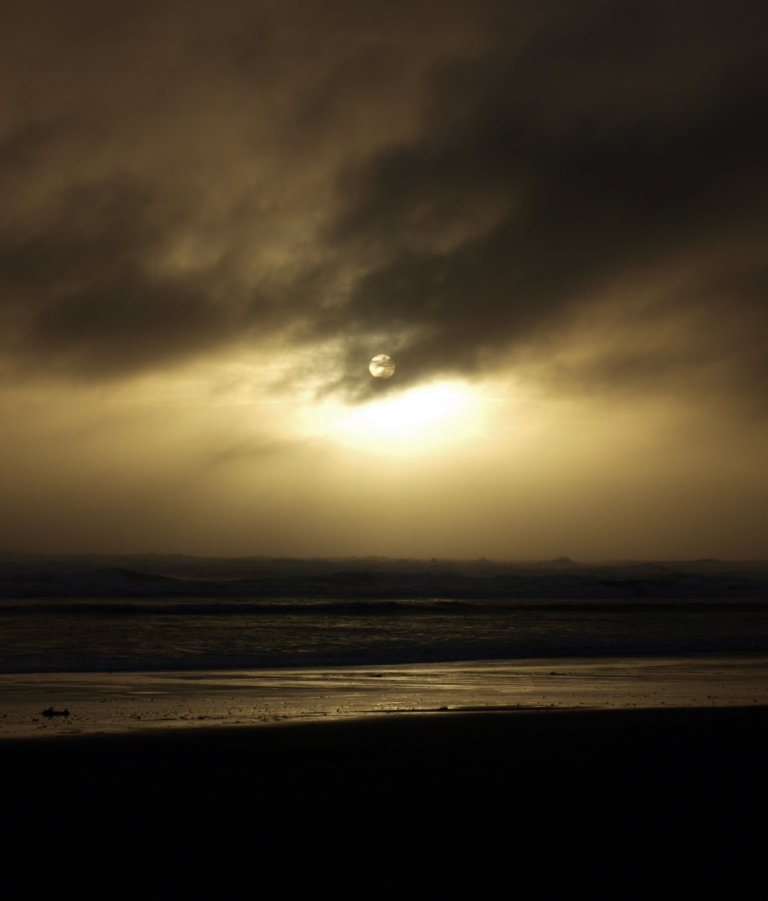
A storm just passed, and the setting sun appears briefly.

Same stretch of beach. A storm has just passed, and the setting sun appears briefly. The swell is immense; we are being very careful, as the day before another beach walker was almost swept away by a rogue wave.

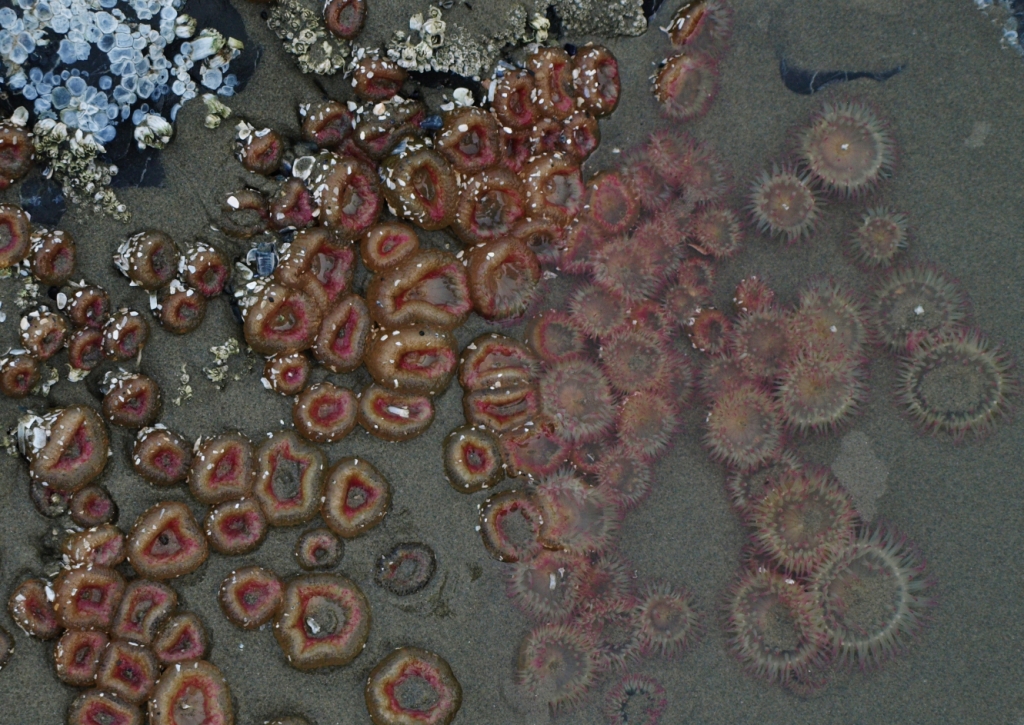
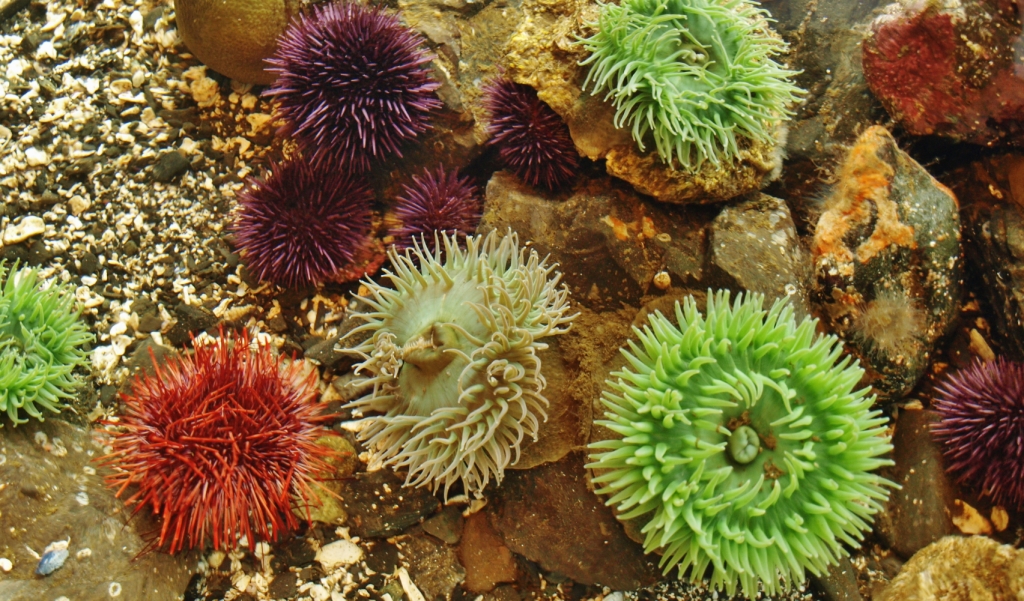
Pink sea urchins, tide pool, upper Long Beach. No sea stars, though the rocks show grazed areas where they were abundant on all of our previous visits to this particular group of rocks and pools, a sad disappointment. Over 95% of the sea star population between Alaska and California has suddenly died off since late winter, 2014, due to a suspected viral disease thought to be exacerbated by warmer-than-usual ocean temperatures.

Pink sea anemones, tide pool, upper Long Beach. No sea stars, though the rocks show grazed areas where they were abundant on all of our previous visits to this particular group of rocks and pools, a sad disappointment. Over 95% of the sea star population between Alaska and California has suddenly died off since late winter, 2014, due to a suspected viral disease thought to be exacerbated by warmer-than-usual ocean temperatures.

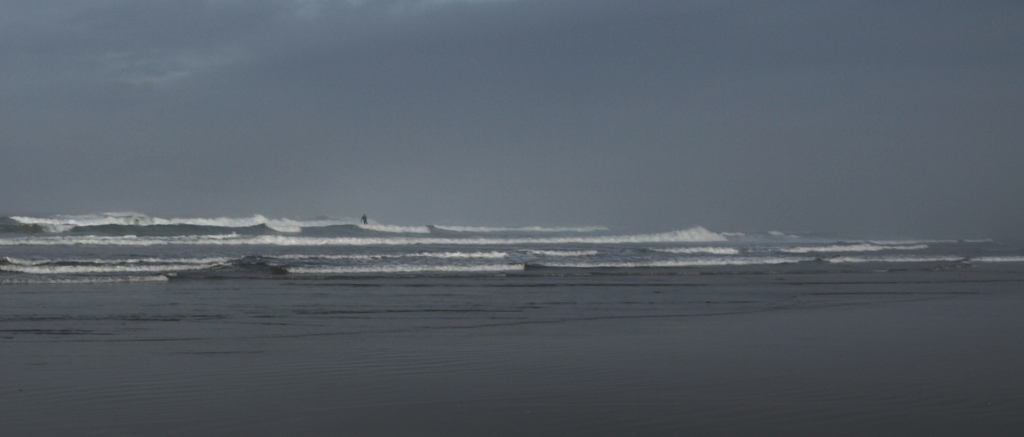
Empty beaches, just us and the birds most days...a storm system out at sea has just passed, leaving the wave danger rating at extreme, and keeping the hardy wet-suited surfers who generally frequent these shores holed up in their various retreats.

More empty beaches, just us and the birds most days…a major storm system out at sea has just passed, leaving the wave danger rating at extreme, and keeping the hardy wet-suited surfers who generally frequent these shores holed up in their various retreats.

Finally the waves subside enough for some surfer action. This brave soul was up a few times, but never for long. Hard work for a few moments of catching the wave!

Finally, several days after the highest storm surges of the year to date, the waves subside enough for some surfer action. This brave soul was up a few times, but never for long. Awfully hard work for a few moments of catching the wave!

Misty morning sunrise.

Misty morning sunrise.

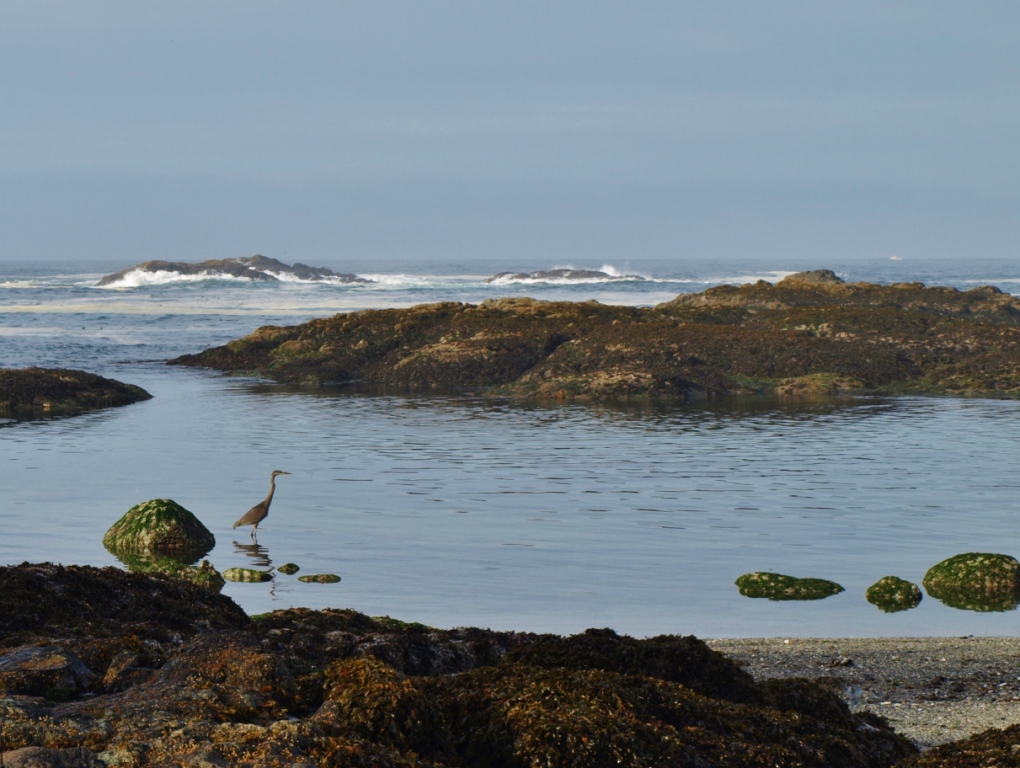
Blue heron, low tide.

Blue heron, low tide.

As inland dwellers, this sort of thing leaves us thrilled to the core: what an incredibly rich thing is the sea!

As inland dwellers, this sort of thing leaves us thrilled to the core: what an incredibly rich thing is the sea!

And then there's wonderful stuff like this: urchins and anemones at Ucluelet.

And then there’s wonderful stuff like this: urchins and anemones at Ucluelet.

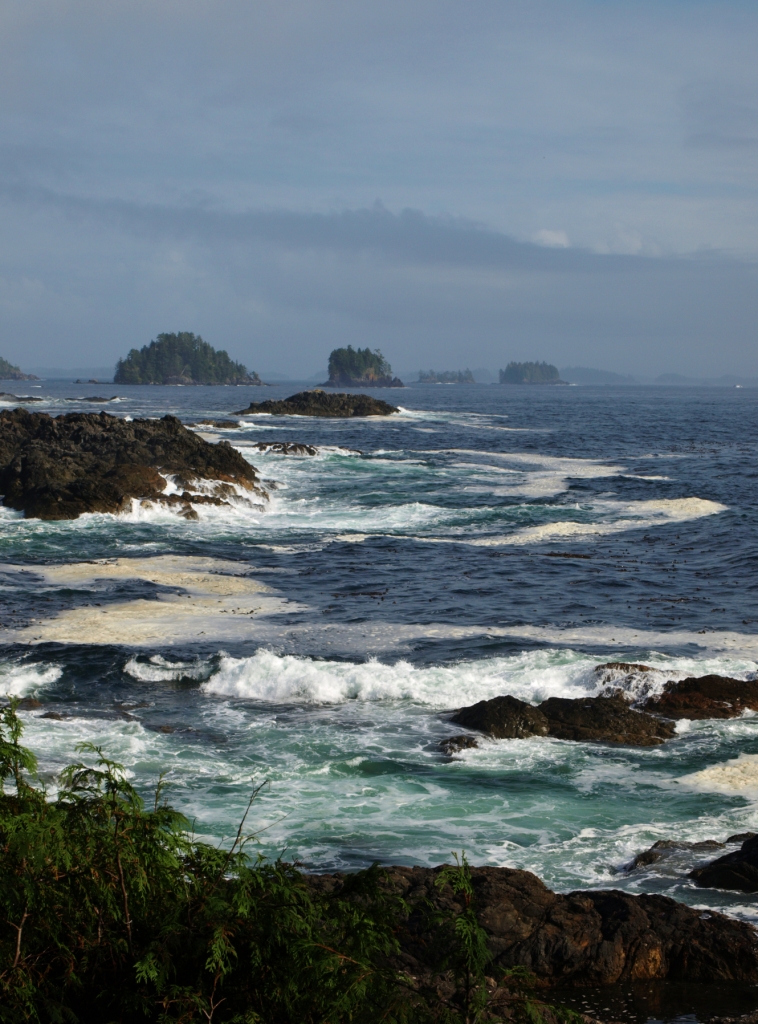
Sea isles off Ucluelet, seen from a viewpoint on the Wild Pacific Walking Trail.

Sea isles off Ucluelet. Rather makes one dream of setting up a hermitage on one of those to escape the woes of the human world…or, thinking a little harder of the lack of arable land for even a wee garden, and the constant rain and sea roar, maybe not…

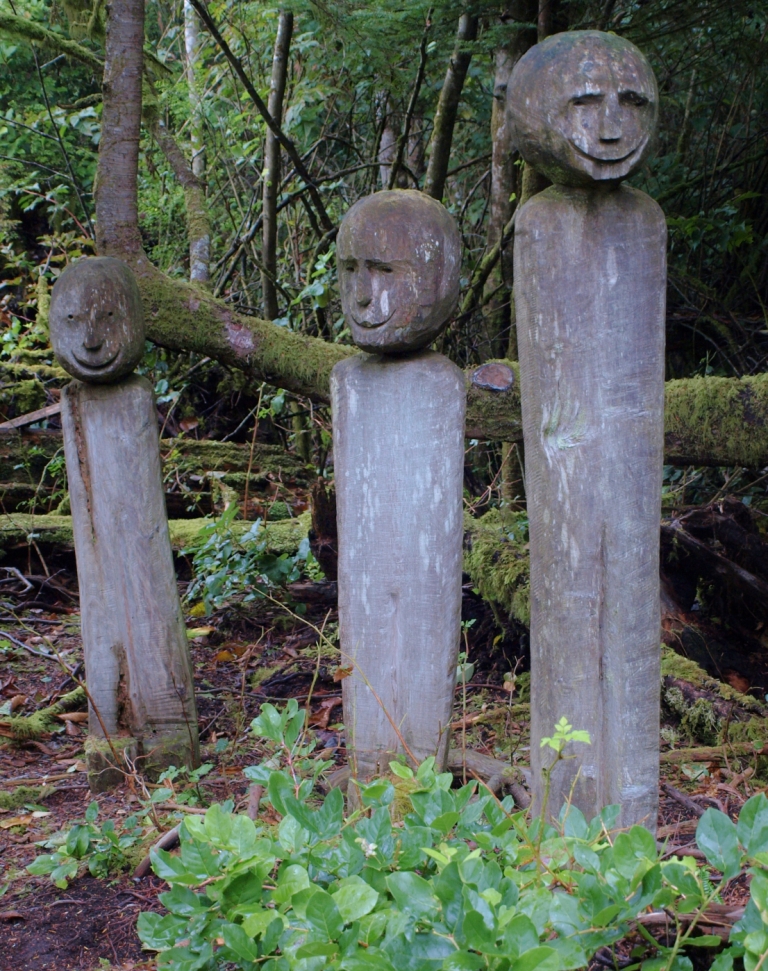
Mildly eerie but decidedly cheery: dwellers in the rainforest at Tofino Botanical Garden.

Mildly eerie but decidedly cheery: dwellers in the rainforest at Tofino Botanical Garden.

Heading down island, into some welcome sunshine, which lights up the evening waves at French Beach, near Jordan River. We sat on the rocks in the sunset and watched three sea otters frolicking in the kelp beds as the tide turned and started rolling in.

Heading down island, into some welcome sunshine, which lit up the evening waves at French Beach, near Jordan River. We sat on the rocks in the sunset and watched three sea otters frolicking in the kelp beds as the tide turned and started rolling in.

Into the city, to do the tourist thing in Victoria, our province's capitol city. Totem poles in Thunderbird Park, with the stately Victorian Empress Hotel in the background.

Into the city, to do the tourist thing in Victoria, our province’s capitol. Totem poles in Thunderbird Park, with the stately Victorian-era Empress Hotel in the background.

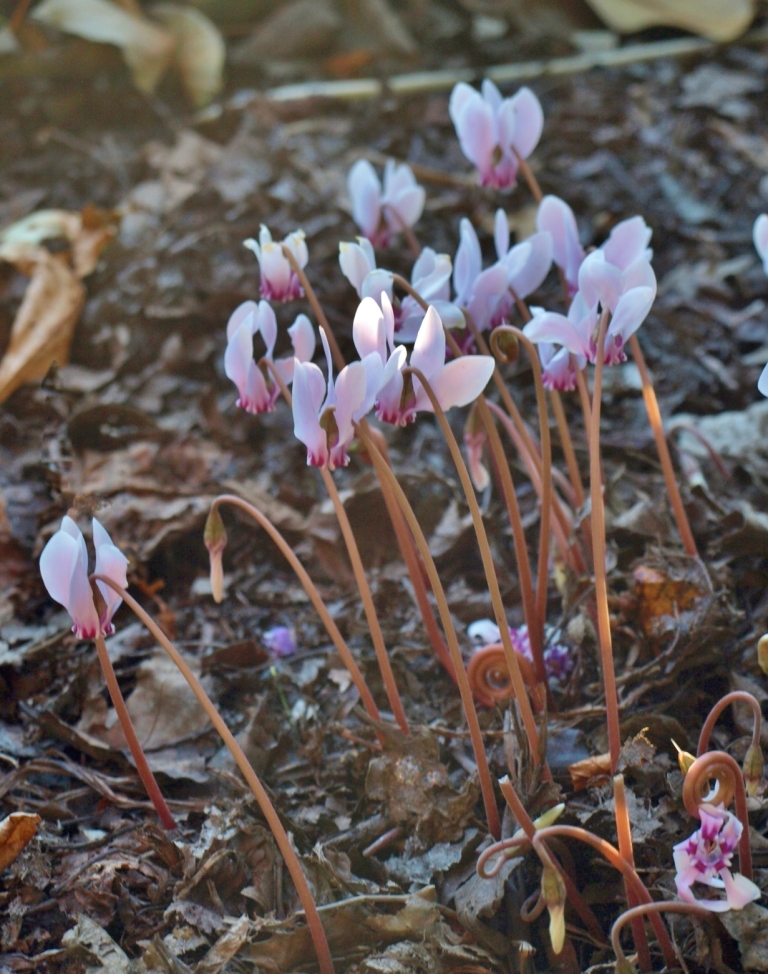
City botanizing: fall-blooming cyclamen in a quiet corner of Victoria's Beacon Hill Park.

City botanizing: fall-blooming cyclamen in a quiet corner of Victoria’s Beacon Hill Park.


Read Full Post »
Quick! Pick Ten Books…

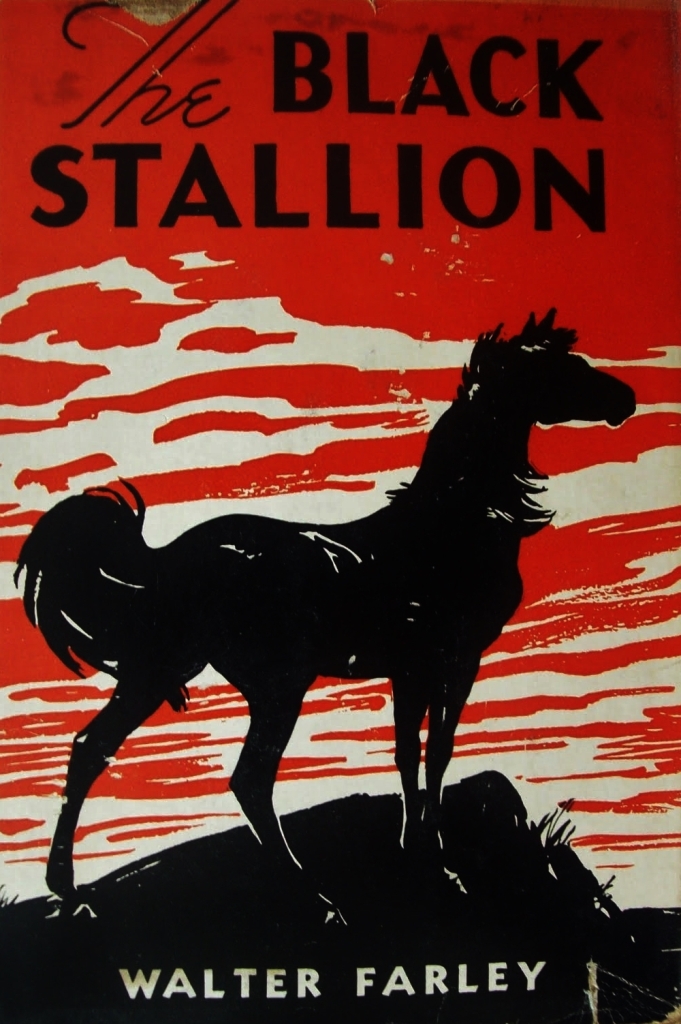
the black stallion water farleyHere’s a quick Sunday morning diversion.

I was just visiting around some of my favourite blogs last night, and on one of them (was it Moira’s?) I read a fascinating list of books which influenced the reader in some way, and which were instantly memorable without trying too hard. I found her list intriguing, and it got me to wondering about my own “Aha!” book moments.

So rattling off the ones which instantly spring to mind, and without any sort of attempt at deep analysis, here’s my version of an absolutely snap Top Ten of personally imagination-influencing books, from my pre-teen years to now. Vaguely chronological. Coming back to add that as I can’t narrow it down to just ten, I’ve made up two lists, one of adolescent/teen memorable books, and one for the adult years.

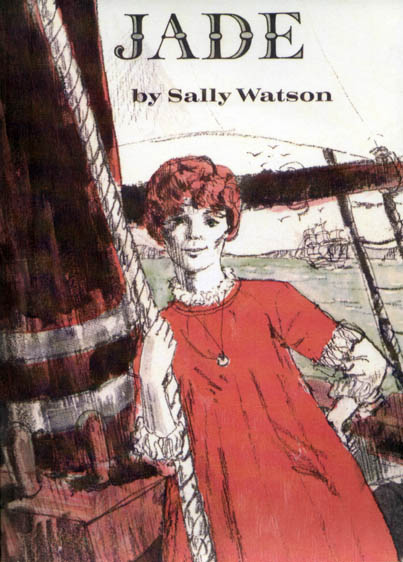
Schoolgirl Choices:jade sally watson

  • The Black Stallion by Walter Farley
  • Big Red by Jim Kjelgaard
  • The Borrowers by Mary Norton
  • Jade by Sally Watson
  • The Ark by Margot Benary-Isbert
  • Little Women by Louisa May Alcott
  • The Secret Garden by Frances Hodgson Burnett
  • The Martian Chronicles by Ray Bradbury
  • A Canticle for Leibowitz by Walter M. Miller, Jr.
  • Claudine at School by Colette
  • The Lord of the Rings by J.R.R. Tolkien (okay, this one makes 11. But how could I not include it? I read it over and over and over.)

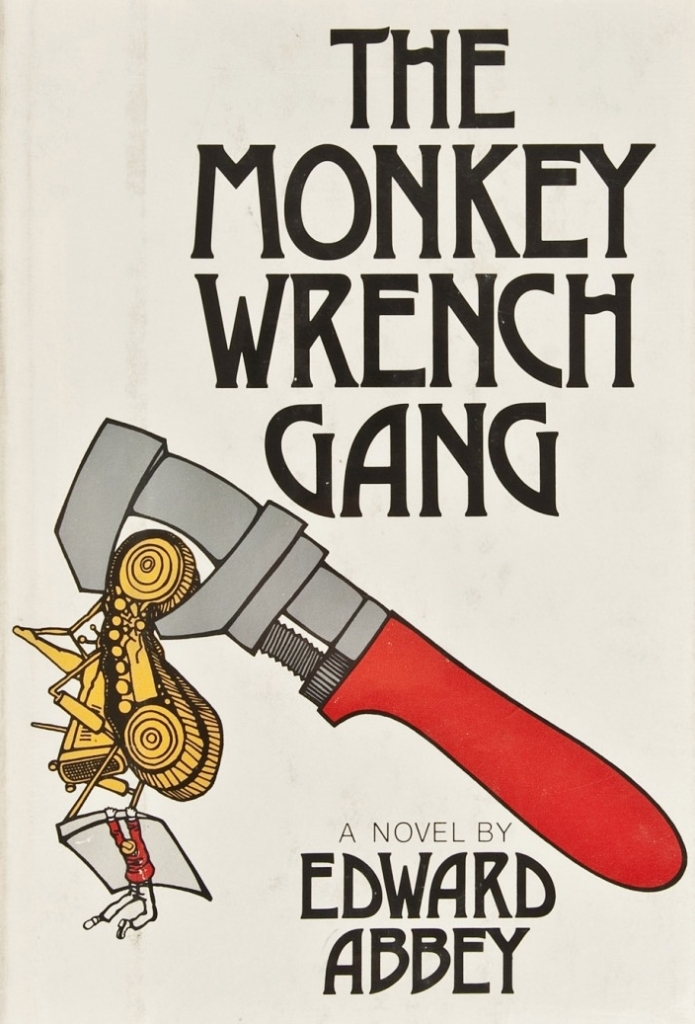
Adult Choices:monkey wrench gange edward abbey 1st edition dj

  • The Door Into Summer by Robert A. Heinlein
  • The Monkey Wrench Gang by Edward Abbey
  • Another Roadside Attraction by Tom Robbins
  • Pilgrim’s Inn by Elizabeth Goudge
  • One Pair of Feet by Monica Dickens
  • Gaudy Night by Dorothy L. Sayers
  • I Capture the Castle by Dodie Smith
  • The Good Companions by J.B. Priestley
  • The Lens of the World by R.A. MacAvoy
  • China Court by Rumer Godden

the door into summer robert a heinleinI’m not quite sure what this says about me. Maybe that I’m irretrievably middlebrow in my default reading tastes? With a dash of fondness for fantasy/sci-fi? Not a Russian or a Big Important Book in the lot…

Isn’t it revealing what floats at the top of our consciousness? This feels…dare I say it… rather humbling…none of these are particularly deep or intellectual; most are pop culture standards of their eras. Could it mean that I’m merely….well…average?! In a stuck-in-the-past sort of way – none of the ones on the adult list are particularly current, either. 😉

What about your list? Anyone else want to share?

Write ’em down quick; don’t think about it too hard. Even if you don’t feel inclined to share (I almost didn’t post this) the exercise is revelatory.


Read Full Post »

spring2

A most intriguing article here demands further investigation. And I must just add that *I* used to live in Didsbury, too. Well, okay, I must confess that it was not the same Didsbury. Mine was the tiny village in Alberta just north of Calgary, named, one assumes, after the original one referenced here.

Howard Spring – never heard of him until this happy impulse buy of The Houses in Between ( 1951) – I picked it up and put it down a few times while in the bookshop and then decided to go with it. It cost me a lordly two dollars. (Same as a cheapo lottery ticket, and with more chances of winning!)

So far a definite winner. I’m on page 221 of 568 and I have started rationing my reading because I want to spin it out slowly. Luckily life is frantically busy right now so it’s not too hard to put it down as more urgent things call, so it might even last me a few more happy days.

It’s the fictional autobiography of a 99-year-old woman, and is set in Victorian London (the narrator’s first memory is of a visit to the newly opened Crystal Palace) and then at a drawn-from-life Cornish estate. And it is really, really good.

So I feel like I should have heard of Howard Spring before. Am I the only one out of the loop? Or are all of you chuckling at my obliviousness regarding his novels? Is he wonderfully well known in Great Britain, and am I living in Colonial Oblivion regarding his stuff?

According to Wikipedia, Howard Spring was Welsh, and worked as a journalist while also writing a series of increasingly successful novels. All of which, now that I’ve had a taste of his quite engaging style in The Houses, sound terribly intriguing.

That’s all for now! Hoping to be back soon with some bookish posts, once the smoke clears, both literally and figuratively.

Chokingly smoky in the valley this morning from our personal just-around-the-bend forest fire. Like standing in the wrong spot next to a partially smothered bonfire. Lots of ash in the air, too – was painting outside yesterday afternoon and this morning my shelves and cupboard doors which I left out on sawhorses are dusted liberally with bits of charred fir needles carried on the wind from several miles away.

Luckily the paint had already dried fast – no harm done. 🙂

Onward!


Read Full Post »

« Newer Posts - Older Posts »