Archive for the ‘1960s’ Category

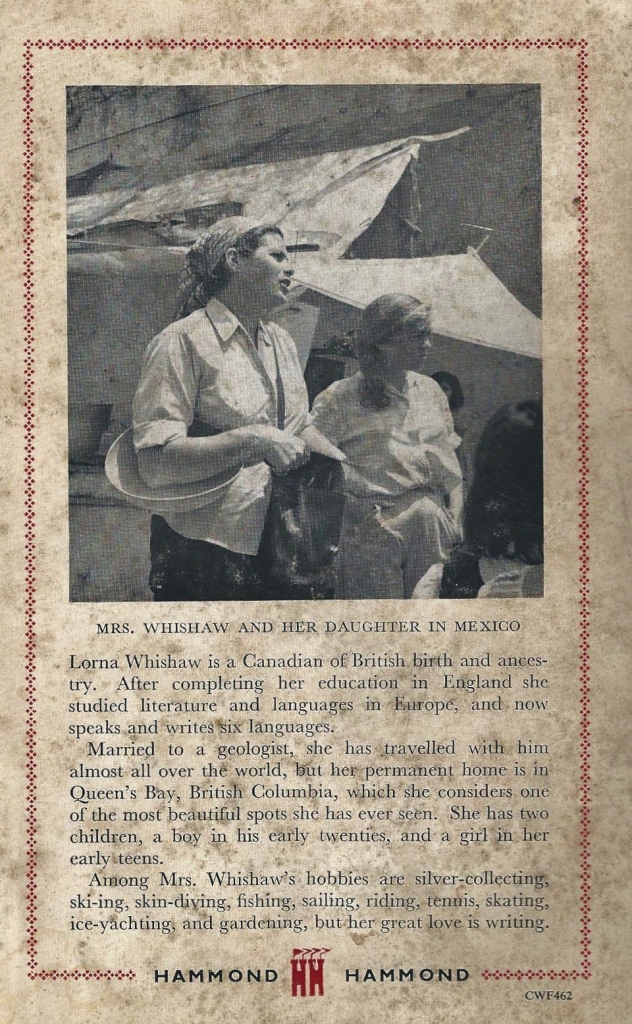
Here’s another excellent travel memoir from Lorna Whishaw, re-posted from October 2012 specially for my long-distance friend Susan. One to search out once you’ve gone with Lorna to Alaska!

Mexico Unknown by Lorna Whishaw ~ 1962. This edition: Hammond and Hammond, 1962. Hardcover. 256 pages.

My rating: 9.5/10 for sheer admiration of the cheek of this mid-20th-century intrepid traveller, plus for the extreme readability of her prose. If even half of this is true – and apparently, it all is, with some allowances for dramatic presentation – Lorna Whishaw gets my nod for the “Forge Ahead Regardless and Don’t Make a Fuss” award. Shaking my head and smiling, thinking of her adventures – in this case not an exaggeration of term. She loses .5 for not telling more. Infuriating book, because it’s such a teaser.

Lorna Whishaw only wrote two books – this one plus the earlier (published in 1958)  As Far as You’ll Take Me . She barely lifted the veil on her fascinating life and many travels. Probably too busy living to sit down and write about most of it!

I did find record of a third piece of Lorna’s writing, her Master’s Thesis for the University of British Columbia Department of Creative Writing, a 1212 page (really? possibly a pagination misprint) work titled Blue Kootenay, published 1985. Most intriguing. I wonder what the possibilities of somehow accessing that one are? I’m thinking fairly slim.

*****

Of my own free will I would not choose to live in Mexico, any more than I would take up residence at the bottom of a tropical sea, because I do not belong there, because I am not wanted there, and because Mexico can get along very well without me. But because through the Will of God I live in Mexico, I shall write of it, of day-by-day living in a land of vast beauty, of violence, and savage extremes, where the struggle of maintaining life is more terrible than death; a land which is trampled by the tourist with sightless eyes.

I have heard Lorna Whishaw’s two memoirs referred to, in her B.C. BookWorld biographical entry*, as creative non-fiction, and I suspect that she distanced herself somewhat from her narratives by tweaking names and certain personal details, and in her portrayal of order of events. There is no question that she was a real person, that she did travel widely and adventureously and that she based her books solidly in fact.

Lorna Whishaw’s perspective is at once soberly analytical and deeply personal. I am finding her writing intelligent and vivid; Mexico Unknown in particular is a unique work which rewards the reader in multiple ways. Sincerely passionate, continually smile-provoking, and unusually thought-provoking. Plus she was just a damned good writer, and not one mite afraid to voice her opinions in print, though it appears she was capable of maintaining a tactful silence when required in her real life.

On October 4, the day of the sputnik, we left the sanitary tranquility of the American way of life, and in total ignorance of things Mexican we plunged into the uneasy atmosphere where anything goes, where yes and no are as high as the sky and as deep as hell, and where nothing you can conceive of is impossible.

The Mexican experience starts with the culture shock of the border towns, and then the physical shock of the amenity-less workers’ community of a struggling Sierra Madre mine. The first half of the book is a dramatic tale of love and death, corruption and betrayal, nobility of character and inner joy found in the most unlikely people.

The portraits of the Mexicans and the American and European mine foremen, technicians and investors are generously but ruthlessly drawn with an artist’s flair for capturing personality and mood in a few well chosen words. The physical descriptions of the land and people are as good as photographs; I find myself perfectly able to picture each face and scene; an unusually difficult authorial feat to pull off as well as Whishaw consistently does.

Disaster strikes La Fortuna Mine, and the scene abruptly changes to Mazatlan, where the suddenly unemployed and quite broke family reassess their situation. The geologist husband goes off with the last of the ready money to attend job interviews, while the wife and daughter camp on the deserted beaches, invisible to the lavish tourist enclaves just down the coast.

A new job is found in a silver mine in Zacatecas in central Mexico,

…a rolling land, arid and beautiful, a vast panorama of golden grass rimmed by oil blue mountains; of joshua trees, lovely in scant clumps, but frightening assembled as they are sometimes to cover the land…as they march to the horizon black with their myriads…

and a life of relative luxury is settled into; school for the daughter, and endless days of lounging by the swimming pool, gossiping with fellow expatriate wives, and riding out in the surrounding countryside.

On to Guadalajara and then Mexico City, where the family experiences the major July 28, 1958 earthquake, then the geologist goes on to Nicaragua, while the other two return briefly to Canada, where a new car, a British-built Ford Zephyr convertible, is purchased and driven from British Columbia through the U.S.A., through Mexico and, over a technically “non-existent” road through the jungle,  into central America. That trip is a saga all of its own, tacked on to this crowded tale as almost an afterthought.

The family is reunited yet again, only to discover that the Nicaragua job is being curtailed, and though by this time Canada is looking wonderfully attractive, Mexico is again the next destination…

And here I should end this story, but something happened on our drive to the mine on that black and silver night, that should be told. On the trail, lying insolent and beautiful under the headlights we saw two jaguars. Tony stopped the truck a few feet from them, and we watched in ecstasy as they rose and moved slowly away into the bush, throwing flaming glares towards us as they went.

‘Fancy’, Mary said. ‘Jaguars in driving distance from Canada.’

The End

*****

Fancy.

Indeed!

Did I saw “highly recommended” yet? I’m sure I did, but I’ll say it again. This is why I love used book stores, and glorious vintage books.

*****

* B.C. BookWorld, 1992:

Born in Riga, Latvia to British parents in the diplomatic corps, Lorna Whishaw grew up in England and came to B.C. in 1947. She has lived in many countries, including South Africa where she worked on behalf of the civil rights movement. She speaks six languages and has published two books of creative non-fiction, As Far as You’ll Take Me (New York: Dodd, Mead, 1958) and Mexico Unknown (London, 1962). With degrees in French, English and Philosophy, she has taught for East Kootenay Community College in Golden and Cranbrook. She lives in Windermere.

Lorna Whishaw died in 1999.

Read Full Post »

Here's one from 1961.

The Nylon Pirates by Nicholas Monsarrat ~ 1960. This edition: Cassell, 1960. 2nd edition. Hardcover. 314 pages.

My rating: 4.75/10

Ex-Royal Navy Commander and British diplomat Nicholas Monsarrat wrote some really decent books in his alternate role as a fiction writer – such as the bestselling war novels The Cruel Sea (1951) and The Kapillan of Malta (1973), to name two of the best-regarded – and some relative stinkers. Guess where I’m placing this one?

Yup.

B-List, pretty well all the way, from the awkwardly salacious sex scenes hastily set up and then shied away from by an apparently last-minute-squeamish creator, to the gruesome penultimate scene in which ironic justice is visited upon a key character.

Published in 1960, this is a book your father might have had on his shelf, to match the Jacqueline Susann on the distaff side of the twin-bed room. It’s determinedly smutty, though, as I mentioned earlier, it seems that Nicholas Monsarrat couldn’t quite bring himself to go into the detail hinted at by his doggedly sexy set-ups.

Which was a relief, because it was blush-inducing enough as it was, albeit for the awkwardness of the plot and the single-dimension characters rather than for anything really naughty in the way of sex-prose.

Brutal panning of those last few paragraphs aside, I need to back down and fairly admit that Monsarrat is decidedly readable, even at his worst. The Nylon Pirates did have its moments, and I rather enjoyed the quietly omnipotent sea captain overlooking all of the shenanigans on his ocean liner with patient calm; the dialogue among the sailors was a high point of this minor novel.

I’ll just quickly sketch out the plot. It won’t take long.

A career criminal who has made a profession of preying on society comes up with a scheme to part a group of wealthy cruise ship travellers from some of their abundant cash.

Our anti-hero Carl assembles a small team of like-minded predators to make up a loosely connected “family group” all travelling together.

Masquerading as a benevolent uncle is 50-year-old Carl. His “niece” is Diane, a wanton, exotically-talented brunette seductress detailed to reel in the men, as “nephew” Louis, an Italian-American gigolo-type, targets the yearning-for-love older women. The Professor, an aged confidence man whom Carl has teamed up with in past scams, comes along to scout prospects, handle the proceeds and keep the books. Carl’s just-come-of-age mistress, Kathy, is passed off as his stepdaughter. She’s a cooly beautiful blonde, whom much-older Carl seduced as a 16-year-old virgin some five years earlier. The trip is supposed to be something of a maiden voyage for lovely Kathy to break into the sex-for-money/threats-of-blackmail con-game trade, while Carl uses his superior poker skills to fleece the card-playing millionaires on board.

Complications ensue.

A generous number of editions are out there in used book land, with prices varying from dirt cheap to stupidly expensive. My advice: save your serious cash for something less likely to engender the book-fling urge, which this one did with me a number of times, mostly in the first and last chapters. Once committed to the read, the middle bits were the most amusing. A beach-blanket read, perhaps?

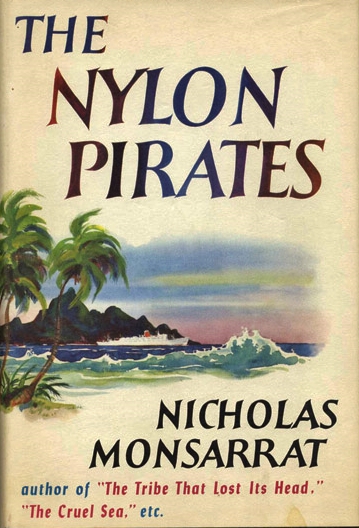
A 1960- first edition cover. Downright restrained, this image, comparatively speaking.

A 1960- first edition cover. Downright restrained, this image, comparatively speaking.

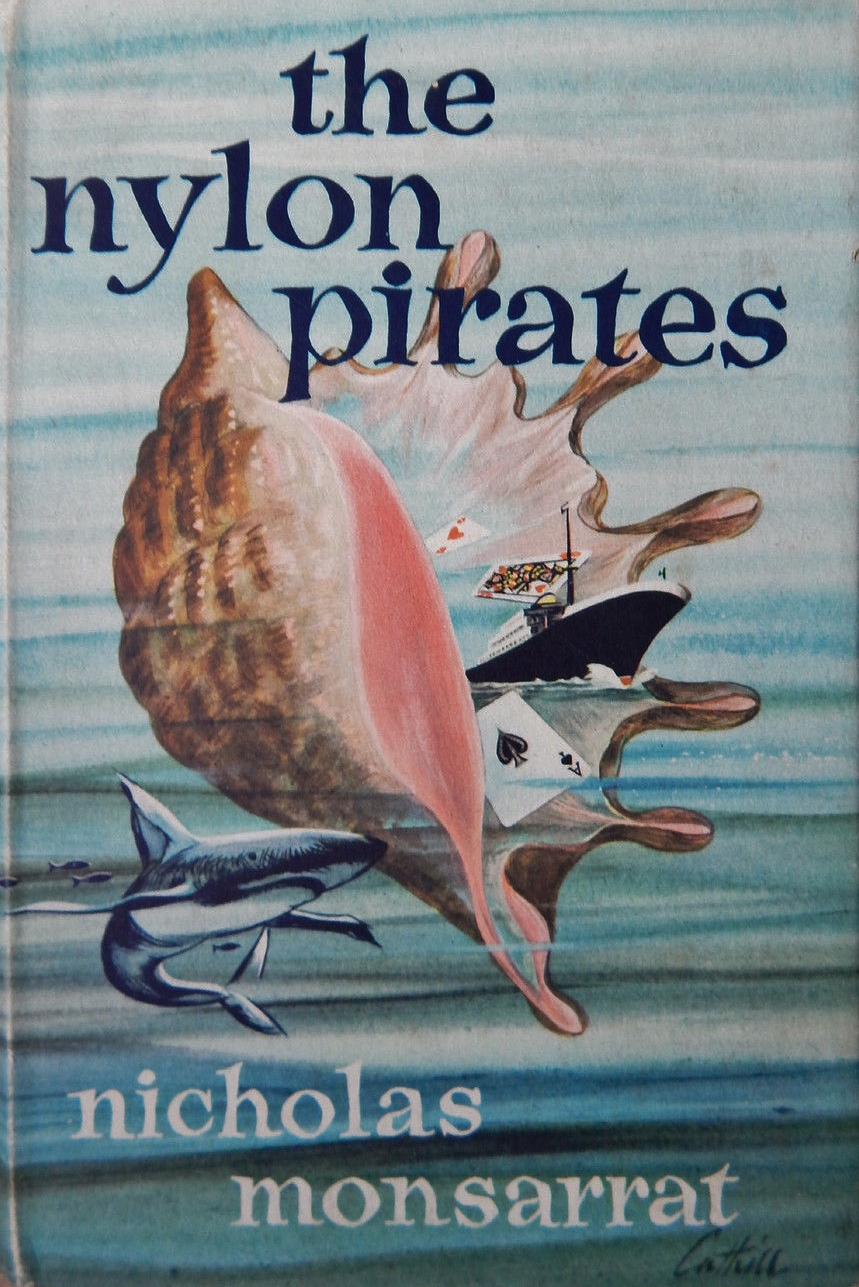
My favourite cover, from 1960.

My favourite cover, also from 1960.

A 1962 Pocket Books edition, working hard to entice the reader.

A 1962 Pocket Books edition, working hard to entice the reader.

The back of the '62 Pocket Book.

The back of the ’62 Pocket Book.

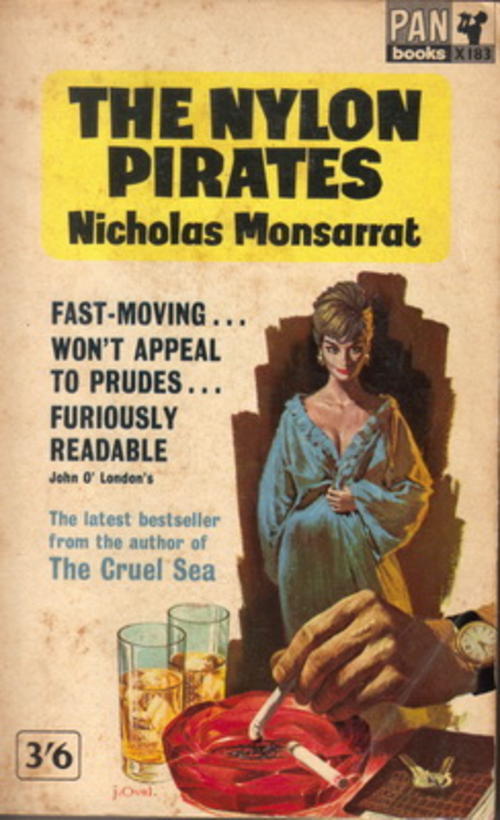
A 1963 Pan paperback edition, cover blurb appealing to the readers' prurient curiousity.

A 1963 Pan paperback edition, cover blurb appealing to the reader’s prurient curiousity.


Read Full Post »

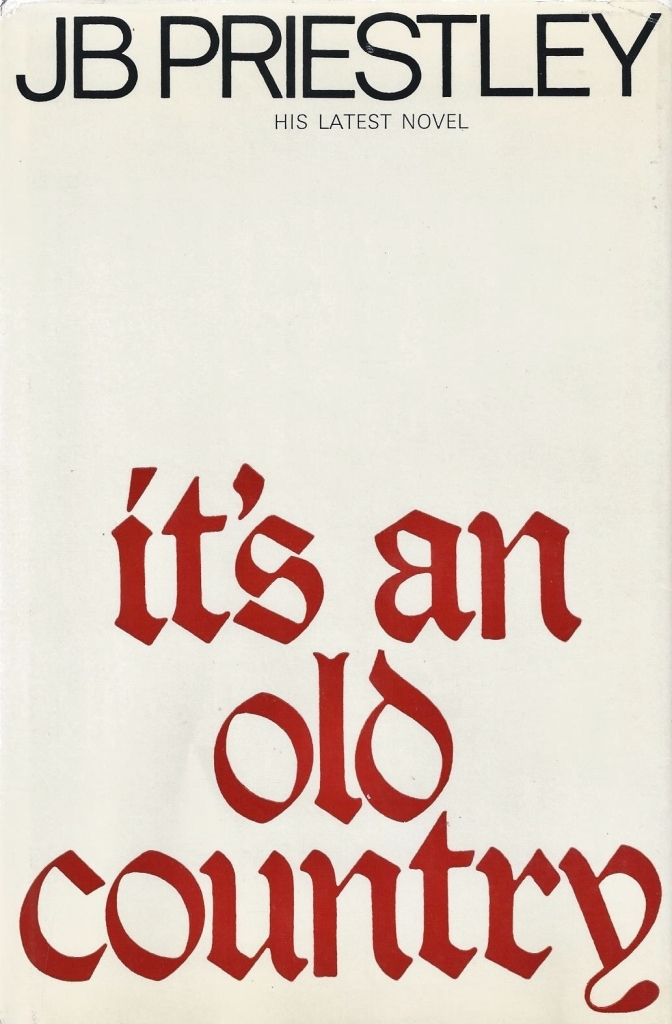
it's an old country j.b. priestley 001It’s An Old Country by J.B. Priestley ~ 1967. This edition: Heinemann, 1967. Hardcover. 247 pages.

My rating: 2.5/10

I’m a sincere J.B. Priestley fan, so this rating and following review pain me greatly. I’ll try to get it over with quickly, so I can put the book away (far away) and not have to look at it and be reminded of my disappointment.

It’s 1960-something, and 35-year-old economic historian Tom Adamson has just buried his mother in a Sydney, Australia graveyard. Tom is by birth English, having come to Australia as a toddler with his embittered mother and wee sister when his actor-artist father suddenly abandoned his family back in the old country.

Raised to scorn his absent parent, Tom has had a disquieting experience when, in her last days of illness, his mother hints that there was some sort of mystery as to why Dad cut all ties, and a deeper reason behind it all.

So Tom takes leave from his job as a Colonial Economic History professor at the local university, flies to England, and proceeds to seek his father, whom he feels is still alive (he’d know if it weren’t so, our author assures us, Tom being apparently blessed with some sort of superior filial intuition) and perhaps yearning for his long-lost son.

Tom falls in with a ne’er-do-well cousin, who in the intervals of between hitting Tom up for substantial “loans” of cash actually proves fairly useful in providing introductions to people who can give snippets of information regarding Tom’s elusive father. We meet a vast array of potentially intriguing characters – a seedy private enquiry agent, a senile noblewoman, an elegant European jetsetter (with whom Tom has an ultimately unsatisfying sexual escapade), various actors, artists, writers, pub-owners, ex-lovers of the father, ex-employers of the father, fellow workers of the father’s numerous jobs – an immense cast of secondary characters, and each one as sketchily portrayed and forgettable as the last.

I’ll tell you what Tom discovers, to save you from plodding through this thing for yourself. (Consider this your spoiler alert, though that very term implies something suspenseful or exciting, which is far from what occurs in the book.)

Turns out that Dad’s letters home were suppressed by a jealous lover – he’d really meant to return to his wife at some point but said lover maneuvered weak-willed Dad in a different direction. After failing at reaching success as either an actor or a painter, Dad enlisted in the army, fought in the 2nd World War, came out to a dismal civilian life, passed dud cheques, served time in jail, changed his name, and worked at a series of progressively less rewarding jobs until Tom finds him slaving away as an underpaid waiter in a South Devon hotel.

There is an underwhelming reunion, notable for its über-masculine soberness. Tom promises to set Dad up with an annuity and a new life in London, with the intimation that one of Dad’s old girlfriends who still carries a torch for the ineffectual but generally decent old guy will step in to provide female companionship.

Tom himself has found a love interest in a 25-year-old book editress, and the two find they share a sniffy dislike of the way English society is sliding into chaos – beatnicks versus the old guard – and decide that the happiest future shared career will be in working for the U.N. In a more developed part of the world of course: “(D)oes it have to be Ghana or Cambodia or Ecuador?…Couldn’t we make it Austria or Thailand or Mexico, my darling?”

The end.

It’s an Old Country fails to live up to expectation on every front. The plot is boring. The characters are strictly cardboard – even our “hero” Tom fails to come across as multi-dimensional in any way, shape or form. The dialogue is stilted. The style throughout reads like a first draft, a mere roughed-out outline without any living detail.

Even Priestley’s “big idea” – a reliable trope with this author is his inclusion of an intellectual motif to each book – is vague  and understated. In this novel, the gist seems to be that the youth of the day are sloppy and unambitious, a bunch of guitar-playing beatnicks, but perhaps that’s to be expected after the way the elder generation has mucked up the world with its wars and class divisions, and that the old guard is overdue for toppling. The “old country” – England, and also its colonial partner Australia – is fixed in its downward spiral – time for a forward-thinking man (that would be our Tom) to abandon ship. Hurray for tradition, it’s been swell but it’s over, see you later.

There are tiny glimpses here and there of the author’s true potential – micro-episodes and lonely glistening, gliding phrases – but so few and far between that they merely serve to remind the reader of how much better this book should be.

One could charitably excuse the absolute flatness of this dull, dull novel by maintaining that after over forty years of plugging out work after work after work the author was scraping the bottom of the barrel, getting old and tired. How then to explain the excellence of the book before this one, the quite stellar Lost Empires, published in 1965? Two years shouldn’t make that much difference. We know the man still has it in him, so where is it here?

It’s an Old Country is a hack piece, trading on the author’s good name, an underwritten, too sparse yet plodding novel that should never have made it to print.

In my opinion.

Over and out.

Read Full Post »

i heard the owl call my name margaret craven 001

I Heard the Owl Call My Name by Margaret Craven ~ 1967. This edition: Clarke, Irwin & Co., 1977. Softcover. ISBN: 0-7720-0617-2. 138 pages.

My rating: 7.5/10

This is a slight, quiet, non-sentimental though rather romanticized novel about a young, terminally ill Anglican priest and his short residence in the Tsawataineuk (First Nations) village at the head of remote Kingcome inlet, on the southwestern British Columbia coast, opposite the northern tip of Vancouver Island. The time frame is contemporary with its writing, in the mid 1960s.

The doctor said to the Bishop, “So you see, my lord, your young ordinand can live no more than three years and doesn’t know it. Will you tell him, and what will you do with him?”

The Bishop said to the doctor, “Yes, I’ll tell him, but not yet. If I tell him now, he’ll try too hard. How much time has he for an active life?”

“A little less than two years if he’s lucky.”

“So short a time to learn so much? It leaves me no choice. I shall send him to my hardest parish. I shall send him to Kingcome on patrol of the Indian villages.”

“Then I hope you’ll pray for him, my lord.”

But the Bishop only answered gently that it was where he would wish to go if he were young again, and in the ordinand’s place.

So off goes young Mark Brian, the new vicar of Kingcome, under the able supervision of a young native man of similar age, Jim Wallace. Mark and Jim gravely size each other up, setting the tone for the rest of the story. Mark’s only authority is in the religious arena – the villagers respect him as a symbolic leader representing the church – but in every other aspect of his daily life he is as a child compared to the capable and wilderness-savvy people around him.

Mark is in some ways wise beyond his years – perhaps it is because of prospective hand of death stretched over him? – yes, this is slightly cynical but one can’t help but feel that our young protagonist is just  the tiniest bit too good to be entirely true – and he settles down to learn from the people of Kingcome how best to deal with this strange new place he has found himself in.

Various incidents occur, and Mark comes nicely up to scratch in the eyes of the villagers, who by the end of Mike’s worldly tenure (he does indeed perish, though not of his mysterious ailment) have accepted him as one of their own. And Mike himself has apparently succeeded in preparing his soul for the life everlasting which his religion promises, and has done some earthly good in the meantime.

Margaret Craven has created a novel which is deeply appreciative of the region in which the story is set, and calmly descriptive of the very real problems of the Tsawataineuk people as their ancient culture is quickly being changed by the influx of modern ways and the influence of the non-native colonizers and religious missionaries.

Each incident is treated with sober even-handedness, as the author succeeds in seeing each angle to every encounter. The “old native ways” are perhaps seen through slightly rose-tinted spectacles, but by and large this is a very fair depiction of an extended culture clash.

The story is overly simplistic in many ways, of course – the book is, after all, extremely short – and I found it just a little hard to wrap my head around a fatal illness with no obvious signs except for a progressive weakness.

Everyone in Mark’s world appears to know of his fate – his church superiors because of the doctor’s diagnosis, and his twin sister because someone has obviously tipped her off, and the motherly native ladies of the village because of some special intuitiveness – but the man himself is clueless until very close to the end. He appears to be experiencing no pain or obvious symptoms, and there is no mention of any sort of palliative treatment. What the heck is wrong with him?! Inquiring minds (okay, mine) want to know! I can only surmise that it is that special fictional fatal ailment we run across here and there, diagnosed by clever physicians who can accurately predict the likely time frame of their subject’s demise. Would that our real doctors were this wise…

But that is my only real complaint against this likeable story. It hits all of the buttons, and was a commercial success some years after its low-key first publication, when a reissue sent it rocketing up bestseller lists.

Author Margaret Craven was an American journalist, and she travelled in the area of the setting of  I Heard the Owl Call My Name for some months in 1962, which experience inspired the story. The novel was very well received in the Pacific Northwest, and in British Columbia in particular, where it remains a recommended novel in the B.C. high school English curriculum. It was also made into a modestly successful television movie in 1973.

The novel receives a rare favourable mention for a book by a non-native writer on the American Indians in Children’s Literature list – see Debbie Reese’s AICL blog – though it is also sometimes viewed by modern critics as depicting outdated attitudes and ideas.

I Heard the Owl Call My Name is indeed a dated book, published almost 50 years ago as it was, but it retains merit for its articulate and admiring depiction of a people and a place. The gentle fictional melodrama of the doomed priest seems to me slightly secondary to the “capture” of the very real setting.

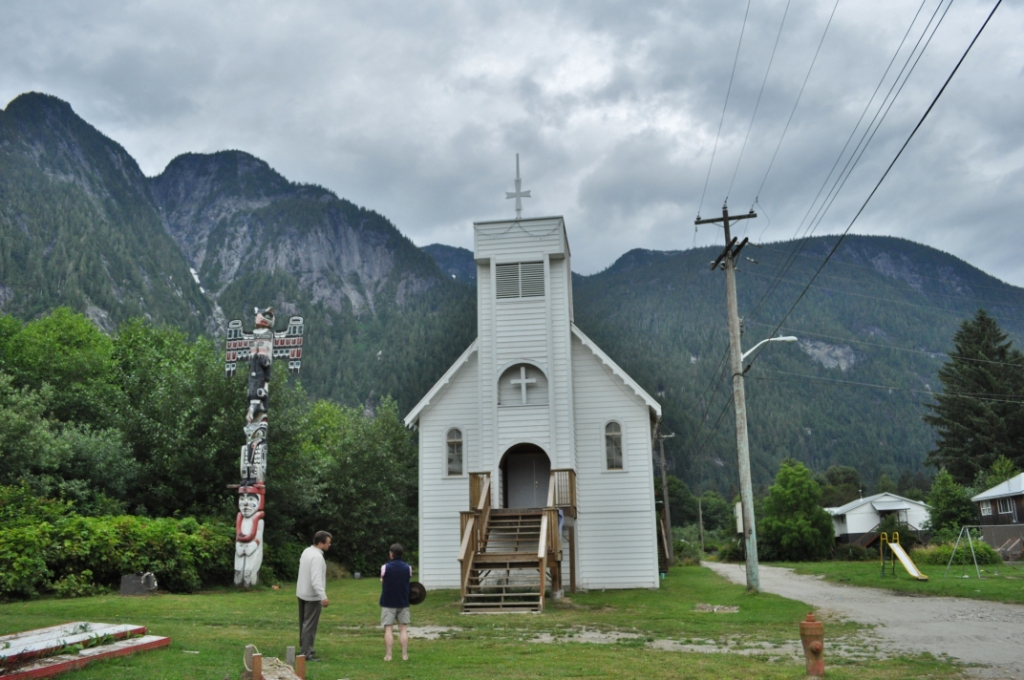
Here is arecent photo of St. George's Anglican Church in Kingcome Village.

Here is a recent photo of St. George’s Anglican Church in Kingcome Village, consecrated in 1938. The totem pole beside the church which depicts the four First Nations of Kingcome Inlet was dedicated in 1958 as a memorial to King George V.


Read Full Post »

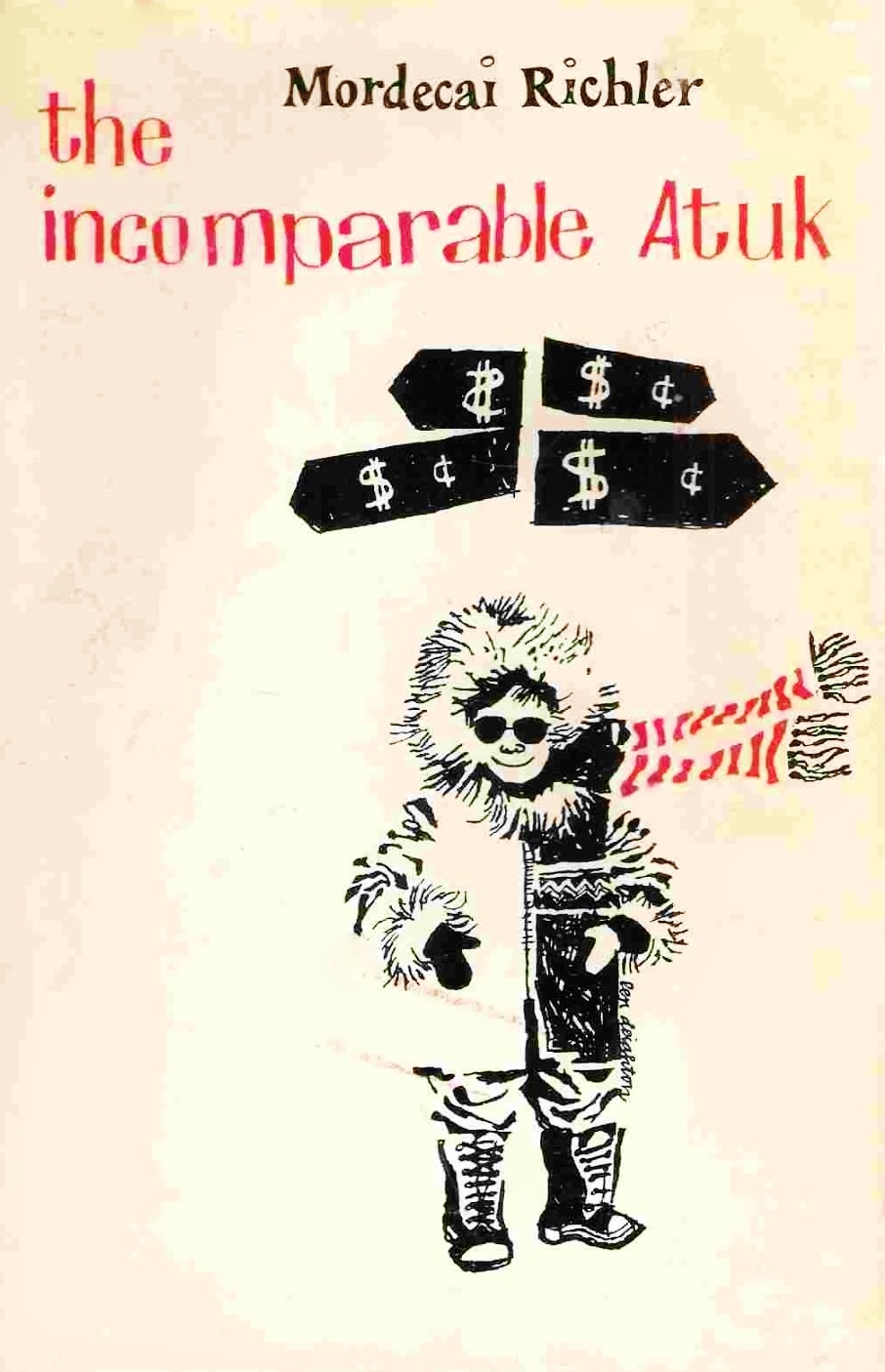
Tthe incomparable atuk mordecai richlerhe Incomparable Atuk by Mordecai Richler ~ 1963. This edition: McClelland and Stewart. Hardcover. 192 pages.

My rating: Unrateable. This is one strange little book. Repellant and mesmerizing in equal quantities.

Despite the post heading above – lifted from some pertinent dialogue in the book – I think I can safely say that this is one of Richler’s relatively more obscure works, though the title is sure to be more immediately recognizable than those of his first three brooding novels, The Acrobats(1954), Son of a Smaller Hero(1955) and A Choice of Enemies(1957).

Richler’s fourth novel, The Apprenticeship of Duddy Kravitz, was published in 1959, and its resounding success made readers and critics eager for more. What showed up next, after a four year hiatus, was this small but seethingly ultra-satirical novel. Duddy Kravitz, take a hike. Atuk the Eskimo is here.

Yes, I said Eskimo, because back in 1963 that was the term-in-use for people of Atuk’s ethnicity. Better let it roll right over you, because if you’re at all sensitive to what would nowadays be severe political incorrectness, this thing will have you breaking out in hives before you can say…well…never mind. Won’t go there.

Here is the front flyleaf blurb from my tattered ex-library first edition.

THE INCOMPARABLE ATUK

‘Eskimo poetry’ – words calculated to chill the blood of all but the devoutest Canadian egg-head patriot. So when Atuk, the Eskimo poet, first came to Toronto as the ‘discovery’ of a Twentyman Fur Company public relations officer, all he got out of it was a slim volume and a few literary cocktails. Prestigewise, as his new friends would have said, it was not too bad; moneywise it stank.

But Atuk did not focus the gentle savage’s traditionally innocent eye on the Toronto scene – far from it. One gimlet glance at the delights of civilization and he was on the ball. Soon his stocky figure was to be seen stepping out of a black Thunderbird at the doors of TV, movie and press magnates – or rolling on a divan with the country’s darling, Bette Dolan, record-breaking swimmer and the wholesomest girl in the land. Atuk’s downfall only came when …

But no: we cannot do this to you. The beauty of this book lies in its surprises: in its lunatic twists and turns, in the laughs it startles out of you by outrageous shock tactics. Because one of Canada’s most serious young writers has here turned a somersault and has come up with – we are weighing our words – a tour de force of comic invention unrivalled since Juan visited America. It is possible that, as a result, when he next sets foot on his native soil it will bounce him back into the sea – but whether Canada likes it or not, it has now produced a comic writer and satirist of whom any country in the world could be proud.

Atuk, playing the enigmatic Eskimo card for all it’s worth, runs rings around the Toronto intellectuals and artsy types and bleeding heart do-gooders keen to adopt him as this week’s picturesque indigenous person. He bluffs his way into an intimate relationship the ever-helpful and soon to be ex-virginal Bette Dolan, brings his extended family to Toronto to dwell in a basement sweatshop turning out crude specimens of “genuine Eskimo art”, and schmoozes his way into all sorts of circles, from upper-crust to deeply dodgy. But an incident from his past is about to catch up with him…

Mordecai Richler nails everyone in this midnight-black satirical romp, with the notable exception of that most expected Canadian target-of-scorn: Americans. By and large the field is made up of north-of-49thers, of every stripe and hue and political persuasion.

Deeply dated and terrifically politically incorrect by the standards of both then and now – a casual gang rape is played for cheap laughs, and there is an abundance of crude bedroom and bathroom humour – but I must say I laughed outright at several bits, most notably Atuk’s successful attempt at fratricide by traffic light.

Now that I’ve read this dark little period piece, I find myself quite happy to quietly slide it back onto the bookshelf. I don’t know as I’ll ever take it down again, but at least I’ve quelled my curiosity as to its contents.

Recommended? Probably not, unless you’re Canadian and keen on exploring the seedier back alleys of our national literary heritage.

Read Full Post »

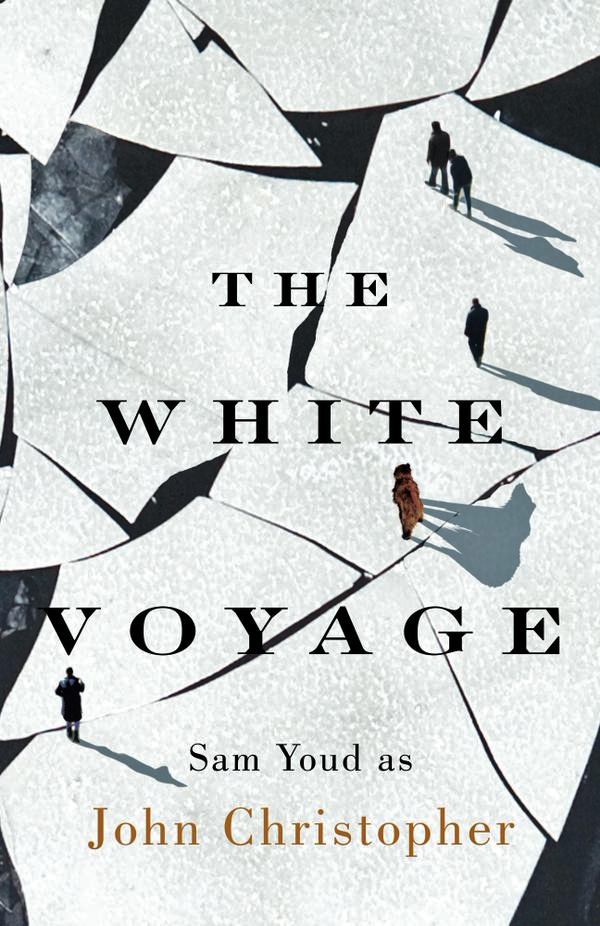
I received a comment on the blog this morning from the SYLE Press, announcing their eBook release of John Christopher’s obscure novel, 1960’s The White Voyage, latest in their collection of vintage re-releases by this well-regarded-in-his-time sci-fi writer.

Christopher’s publishing era was the 1950s-60s-70s, and his work is absolutely typical of its time, but he displays an interesting line in dystopian conjecture which makes his work worth dipping into, if only to see how well matched our present world is to his imagined future.

Though The White Voyage is not one of John Christopher’s most well-known works – this claim must go to his young adult Tripods sequence, as well as his chilling and violent The Death of Grass – it’s an interesting example of this writer’s line of speculative fiction, and it’s free today and tomorrow on Kindle, for those so equipped.

Here’s the link:
http://johnchristopher.org/the-white-voyage-2/

white voyage john christopher syle press

Some years ago I wrote the following post on another of John Christopher’s adult-oriented novels, 1962’s The Long Winter, and I’m reposting this today for those interested in this somewhat gloomy genre.

*****

the long winter john christopherThe Long Winter by John Christopher (pseudonym of Samuel Youd) ~ 1962. Alternate British Title: The World in Winter. This edition: Simon & Schuster, 1962. Hardcover. First American edition. Library of Congress #: 62-12411. 253 pages.

My rating: 7.5/10. This fifty-year-old post-apocalyptic novel was much more gripping than I had expected; the premise of a new ice age is chillingly depicted (pun intended). I thought this one was right up there with John Wyndham’s similarly themed works. I started it last night as a casual bedtime dip-into-and-check-it-out read, and I was quickly hooked and soldiered on until well after midnight to finish it, to my slightly groggy detriment today.

Good period piece and a fine example of the vintage speculative fiction genre, though with the expected true-to-the era misogynist attitudes and opinions. This would make an excellent film, in the right hands.

*****

Andrew Leedon rubbed his hands against the antique Victorian muff-heater Madeleine had given him. She had found it in an antique shop and presented it to him on his birthday, along with a supply of the small charcoal by which it was fueled. But even charcoal had become impossible to obtain, and its brief usefulness, after so many years, was almost at an end. He blew through the small holes on the side and watched the red glow brighten. A chair scraped and he turned his attention back to his fellow readers. He felt pity for them, but it was mixed with envy. The future was a current which soon, very soon now, must drag them down into the maelstrom; for the moment they bobbed like corks in this eddying backwater, but the deep tug of the undersurge was there and none would escape it. Yet they were indifferent. The red-eyed, gray-haired man across the aisle with his pile of volumes on King Arthur – he had always been there, in the same place, with the same books. When the end came to him, in however strange and incalculable a form, it would be irrelevant, as irrelevant as the pneumonia or heart attack or cancer which would otherwise have rendered his seat vacant. Soon all the seats would be vacant together until, as must happen, marauders broke in to rip up the wood and carry away the books that were left for fuel. Some of the rarest books had already gone, to the libraries in Cairo and Accra, in Lagos and Johannesburg, and more would go in the next few weeks; but there would still be enough to draw the mob. The people reading here were not so foolish as to expect a reprieve – for the library of for themselves. It was that he envied.

The main lights were off, conserving electricity. There were only the small reading lights, and, high up, the grayness that filtered in from outside. He thought of Africa; of sunshine, long beaches by a blue ocean, the green of trees and grass …

In the middle of the 20th Century a worldwide environmental catastrophe is occurring: the sun’s radiation is decreasing, and a new ice age is looming in the temperate zones. British television producer Andrew Leedon, happily married with a lovely wife and two young sons, catches a glimmer of the story as it first starts to break, but he, along with everyone else, pays little attention. Even if the predictions are correct, what would a degree or two difference in temperature really mean? Surely nothing to worry about; winters in England might even be more traditionally enjoyable again; skating on the Thames would make a pleasant Christmas diversion…

As the true impact of the swift and ever more severe solar cooling begins to be felt, Andrew’s marriage echoes the collapse of his planet’s future. His wife confesses that she has been continuously unfaithful since the first days of their marriage and is now leaving him for his good friend David Cartwell; as a consolation prize Andrew is thrown together with David’s discarded wife, the gentle Madeleine.

Those fortunate enough to have been able to plan ahead and liquidate their assets are moving towards the equatorial regions; Andrew’s now-estranged wife and sons leave for Nigeria without his initial knowledge. Stubbornly refusing to flee in his turn, Andrew is finally convinced to leave by Madeleine, and with David’s assistance the two obtain seats on one of the last air flights out of England. David himself remains behind, counting on his high position in the government to enable his escape if and when it becomes necessary. But for now he intends to stay and see England through this crisis to the best of his considerable ability.

In Africa, Andrew and Madeleine find themselves immersed in a society very different from that which they know. White-skinned Europeans and Britons are the new working class; their currency is worthless, their academic and professional qualifications ignored. Serving the ruling class Nigerians in the former British colony, the whites scrub toilets and wait tables and prostitute themselves to pick up enough money to eke out a precarious existence. Andrew and Madeleine settle into one of the worst of the slums, until a chance encounter with an African student whom Andrew had patronizingly but kindly treated to a dinner at his club back in the old days in London elevates him socially and professionally by making him a personal assistant.

This turn-about relationship leads to a morally challenging situation, when Andrew is asked to join a Nigerian military expedition force planned to explore England by Hovercraft, to assess the possibility of re-colonizing that now nearly abandoned territory under an African flag.

The first part of this post-apocalyptic tale is, in my opinion, the best-written, where Andrew struggles with the ethics and morality of his own behaviour in this unprecedented crisis, and keenly observes the reactions of those around him. As the novel progresses, and as the conditions in the frozen lands worsen, to martial law, brutal violence by the few elites with guns against the many without, and survival of the fittest by any means, including cannibalism, the story becomes much more intellectually shallow and far distant from the complex inner musings of the earlier days. To be fair, this might echo the increasing callousness of the strong as they jettison their finer feelings to ensure their own continued survival; ethics are a luxury no one can afford to indulge in any more.

The racial situation of blacks versus whites and their role reversals is cleverly presented; the tone remains “white” racially superior though, as the Africans ultimately are undone by their own “inborn” weaknesses, at least in the eyes of the staunchly patriotic Britons defending their frozen homeland.

This is indeed a very British book; the author assumes a strong familiarity with English landmarks and history, and knowledge of London neighbourhoods and architectural and physical features. The narration itself is very stiff-upper-lip, in the best stereotypical tradition.

I thought that Andrew lost some of his credibility as a character towards the latter part of the book; his continual fixation on his personal life while the world itself is crashing down around him strikes what seems to me an off-key note.

Or does it? How would you react? Would you focus ever more inward, or would you harden your soul to pursue sheer survival over sentiment?

The ending of this epic is left open and vaguely optimistic, but though we may speculate on Andrew’s future, we are not at all assured that he will even survive, let alone thrive, in the changed world he is struggling to adapt to.

*****

John Christopher was the pseudonym of the late (1922-2012) prolific sci fi and speculative fiction writer Samuel Youd. His best-known works are perhaps the teen/young adult “Tripod Trilogy” concerning an alien invasion of Earth: The White Mountains (1967), The City of Gold and Lead (1968), and The Pool of Fire (1968). I read all three of these some years ago, and though I felt that they were often technically over-simplistic, they were emotionally gripping, thought-provoking and generally memorable.

This is an author worth investigating for the frequent excellence of his creative ideas and his sober examination of human emotional motivations, though his writing can be occasionally uneven, varying in quality even within the same book.

If you are a John Wyndham fan, you will find much to enjoy in John Christopher’s stories. In that case, recommended.

A note: The Long Winter was intended as an adult novel, even though this writer also wrote widely for teens.

Read Full Post »

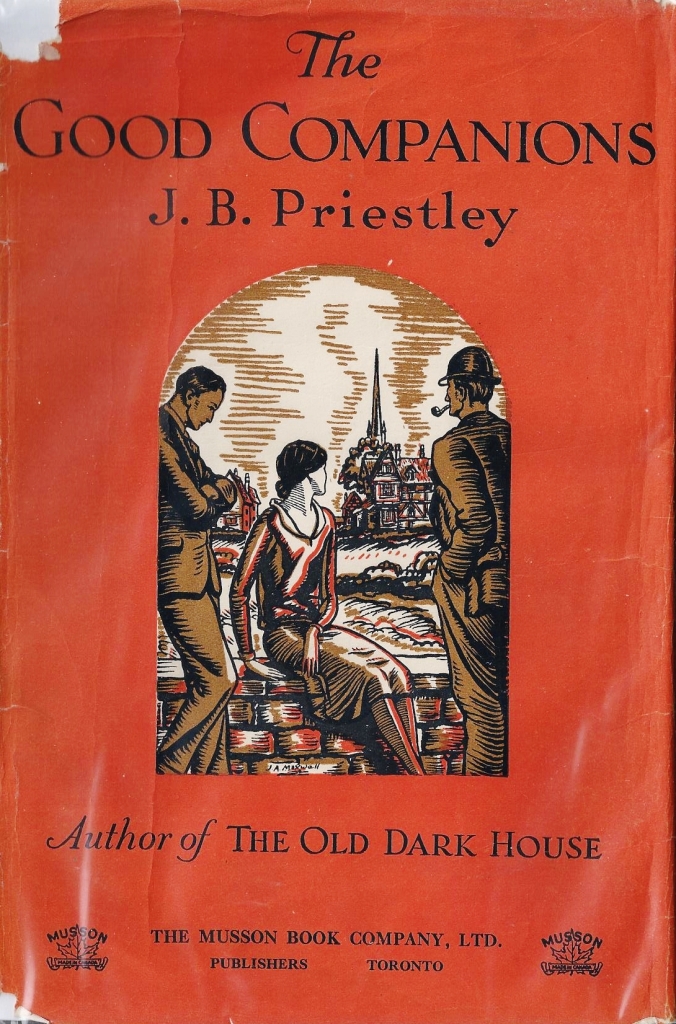
the good companions musson j b priestley 001

The Good Companions by J.B. Priestley ~ 1929. This edition: Musson, 1930. Hardcover. 640 pages.

My rating: 10/10

A middle-aged Yorkshire laborer who has just been fired from his carpenter’s job at the local mill, a recent Cambridge graduate-cum-reluctant-schoolmaster with literary ambitions and a talent for creating catchy tunes on the piano, and a sedately dutiful upper-class spinster-daughter in her fourth decade recently freed of familial responsibilities by the death of her elderly father are all thrown together by the whim of fate.

The set-up of the main characters’ backstories takes up a good third or so of this very rambling narrative, and it is not until we are well into the book that their paths convene, as they fall in with another lot of fate-tossed travellers, the stranded members of a theatrical troupe, the ex-Dinky Doos.

The result of this leisurely and detailed approach is a likeable period piece of a book – “a long, comic, picaresque, a fairy-tale sort of novel”, to quote the author’s own words in 1937’s autobiographical Midnight on the Desert – as the newly united characters form a travelling concert party/pierrot troupe, performing in rural towns and small industrial cities throughout the Yorkshires and surrounding districts.

The Good Companions was written between the wars, when Priestley was dealing with some serious personal issues, such as the recent death of his young wife from cancer (leaving behind two baby daughters), and his own chronic physical difficulties resulting from injuries and gassing while serving in the trenches of WW I. His decision to create an ultimately happy novel – the characters, despite their very real troubles, all attain at least a modicum of their personal hearts’ desires – was immensely popular with the public, and the book was an astoundingly successful bestseller. But the highbrow critics sneered, and though Priestley enjoyed the much-needed financial security The Good Companions provided, the dismissive attitudes of his literary peers wounded him deeply.

The book retains its appeal today. The likeable concert party characters are all very human in their thoughts, desires, ambitions and reactions to various setbacks, and though we are aware of the author’s omnipotent hand in strategically arranging the various random incidents which result in the united happy ending, we good naturedly accept the more creative developments and cheer our people on. There is also a certain historical interest in the novel’s detailed portrayal of a now-vanished theatrical sub-culture, which, even as it still flourished, was being inexorably replaced by the “new-technology” moving picture shows, as is shown in one of the final plot twists of the novel.

Highly recommended, for “cultural literacy” reasons as much as for its engaging story.

Budget yourself a goodly chunk of time to read this one. At over 600 small-print pages, it takes a certain amount of optimistic persistence to embark upon, but once entered into will provide a lovely escape from the one’s own ho-hum everyday routine.

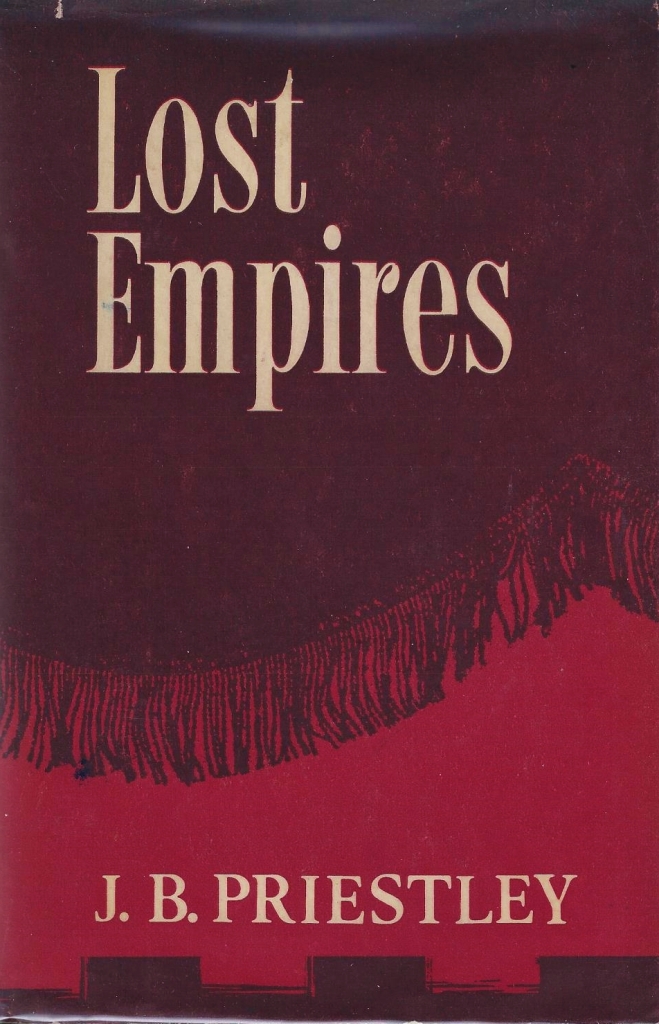
lost empires jb priestley 001Lost Empires by J.B. Priestley ~ 1965. Subtitled Being Richard Herncastle’s account of his life on the variety stage from November 1913 to August 1914 together with a Prologue and Epilogue by J.B. Priestley. This edition: The Reprint Society, 1966. Hardcover. 381 pages.

My rating: 9/10

J.B. Priestley revisits the world of the travelling theatrical party which he so famously documented in 1929’s The Good Companions, but this novel, written some three decades later, is a much grittier and less outwardly cheerful thing than its predecessor.

Whereas The Good Companions was written as a contemporary novel reflective of its time (though a highly sentimentalized and “feel-good” version, and that’s not meant to be derogatory, as the author himself states that this was his intention), Lost Empires is frequently melancholy and foreboding, and very much about looking back and describing a certain rigidly defined period of time in relation to what came after.

The casual reader might assume Lost Empires to be lightly disguised autobiography, so intimate are the thoughts and events recorded, but Priestley distances himself from the narrative by presenting himself as the author of both the preface and epilogue to the tale, with the set-up being that an old friend, the Richard (Dick) Herncastle named in the subtitle, has asked Priestley-the-famous-writer to look over the memoir for him. The framing device works very well, and the resulting novel is taut with a certain suspense, as we-the-readers know what young Dick’s future may hold. He’s a physically fit, unencumbered young man in his very early twenties, and the year is 1913. Everything is about to change beyond recognition in his world; we know that as we embark upon the first chapter.

But though war is looming – and a number of the wiser characters in Lost Empires are grimly predicting what later came to pass – the mood in England is one of wanting to be distracted from the political rumblings all around, and the music halls are thriving, into which unlikely milieu our young protagonist is initiated by his black-sheep-of-the-family Uncle Nick.

Dick, newly orphaned by the death of his mother, aspires to be an artist, but has been forced by circumstances to give up his plans of attending art school to instead work as an office clerk. Uncle Nick, attending his sister’s funeral, takes Dick aside and offers him a position as his assistant in his very successful variety show act.

Uncle Nick is an accomplished illusionist of the “vanishing lady” type, and his perfectionism and scornful antipathy to any sort of sentiment make him an awkward sort of employer, family ties or not, but Dick’s dogged determination to continue with his artistic goals despite the logistical difficulties earns his uncle’s respect, and the two settle into a mostly successful working relationship.

Dick has never been in a position to travel or to associate with people from such a broad strata of society as the touring variety show allows, and it rather goes to his head. His good looks and polite middle-class manners make him the focus of unnervingly aggressive attention from some of the women in the other acts (and also from his uncle’s own act’s female member, one of whose unofficial duties is to share the principle’s bed), but the one woman he would like to get on closer terms with is unaccountably cold and snubbing, though she unbends for a brief period, long enough for Dick to fall deeply in love with her, before she again cold-shoulders him.

Emotionally bruised and sexually frustrated, a situation made much worse by the continual presence of nubile young women in revealing costumes, Dick, still a sexual virgin as his variety-stage history opens, is ready to fall, and fall he does. He is seduced by and then obsessively enters into a torrid relationship with one of the older women in a co-starring act, with disastrous consequences when his real love is told of his defection to the well-experienced arms of another.

This book is chock-full of sex, not particularly graphic but described with enough detail to make one very aware of the change in times since The Good Companions first appeared to the time when Lost Empires was written. Though we have no doubts that some of the characters in The Good Companions were also sexually active, and prone to drinking too much on occasion, and sometimes involved in questionable personal pursuits, many of the details aren’t given, and the more risqué bits are generally glossed over, or given the light comedy treatment.

Very much not so in Lost Empires, with the result that it is a much stronger sort of novel in a modern, no-topic-is-forbidden sense, though Priestley provides a soft-focussed epilogue which echoes that of his earlier tale, with our hero finding his personal redemption and with most loose ends neatly tucked away.

And that final soft focus is what docked Lost Empires its point in my personal rating in comparison to The Good Companions‘ solid 10.

The Good Companions satisfied because it did exactly what it said it would on the flyleaf: it amused. The author dances his characters for us, and he blatantly manipulates fate to favour them, and, as it’s all part of the game and known to us going in, we cheerfully play along.

Lost Empires is, for the most part, a rather deeper book, with its vividly imagined and occasionally disturbing coming-of-age tale, and its sober look back at a nation heading unhappily into a devastating war. I felt, however, that J.B. Priestley pulled back just a bit from where he could have gone with it, and though Lost Empires is a very good thing, the eventual resolution of its hero’s problems felt slightly deus ex machina, hand of puppet master evident at the last.

This said, also very highly recommended. A good example of Priestley’s later fiction, and a must-read for anyone interested in exploring this prolific writer’s A-list.


Read Full Post »

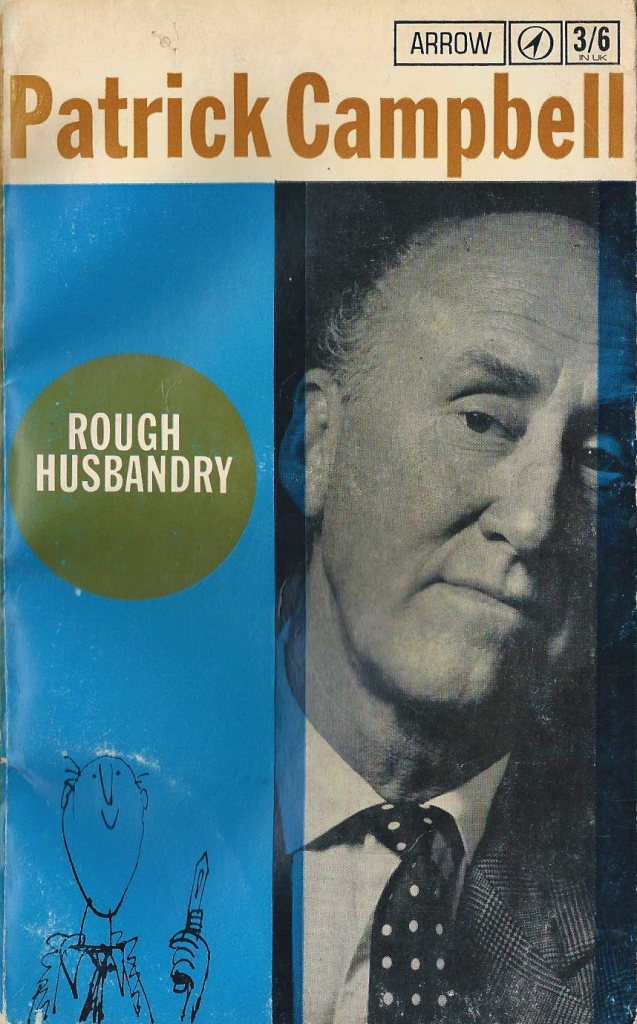
rough husbandry patrick campbell cover 001Rough Husbandry by Patrick Campbell ~ 1965. This edition: Arrow, 1967. Drawings by Quentin Blake. Paperback. 186 pages.

My rating: 9.9/10 (In other words, pretty well perfect for my current reading mood.)

What a lot of bookish disappointment this week has brought me. After a stellar start to the year with T.H. White’s The Godstone and the Blackymor, the next travel memoir I tackled, Honor Tracy’s Silk Hats and No Breakfast, was less than wonderful.

A re-read of Ruth Reichl’s 2005 foodie memoir, Garlic and Sapphires (still to be discussed – über short review: I mostly really liked it) raised my spirits somewhat, but it mostly just made me hungry, and yearning for some serious time in the kitchen, but as our house is in the throes of a major construction project (I probably should be taking “before” photos, because our main living/dining area is very much down to its most basic state prefatory to being put back together again) all cooking these days is of an eat-to-live type, versus anything frivolously creative and requiring of much counter space.

So Reichl was a cheerful note, but too soon over, and I looked about for something else just as diverting. Farley Mowat beckoned to me from the bookshelf. Perhaps some time in Siberia might be entertaining, given the fact that our current weather is reminiscent of the wintry steppes? But by page 27 I was ready to cheerfully chuck our bearded Canadian bombast to the Russian wolves, arm in arm with his adoring spouse Claire.  The earnest and deeply boring (at least in its early chapters) Sibir wasn’t doing it for me, not at all. Back to the bookshelf.

Ah, what’s this? A newish book, this next one. Let’s give the current writers another go, I thought. Published in 2011, and purported to be a “creative memoir”, Catherine E. McKinley’s Indigo: In Search of the Color That Seduced the World, showed some promise, what with its travelling-to-Africa-in-search-of-her-roots theme and a nice botanical focus on the fascinating indigo plant. A major botanical howler on page 1 had me raising my eyebrows in wonderment: indigo is not a parasitic plant, dear Ms. McKinley. It is indeed a member of the nitrogen-fixing Legume family (alternatively known as the Fabaceae), and therefore has a complex relationship with the organisms in the soil it inhabits, but it does not take its nutrition directly from other living things. Quite the contrary, in fact! And the blithe reference to its place in the Indigofererearsa tribe, though technically correct, is needlessly arcane, seeing that the genus name Indigofera is the more commonly accepted reference.

Chiding myself for being too darned detail-fixated, I soldiered on with the Indigo memoir. And, sadly, found myself labouring mightily to stay interested. Creative memoir is all very well and good, but only if the writing is of a stellar enough quality to support the flights of fancy of the memoirist. In a nutshell, Catherine E. McKinley is leaving me underwhelmed. “Golly, you’re hard to please,” I scolded myself. “It must be just your mood. The January blues, or something.” A visit to the Goodreads Indigo page cheered me mightily: my response is not unique. I’m better than halfway through the book, and there is some interesting stuff going on, mostly to do with the upscale Dutch textile trade and its connection to traditional African and Asian batik techniques, but honestly it’s grimly hard going, and I wonder if I’ll make it to the end.

Desperate now for something I could effortlessly fall into, I took down a new-to-me collection of Jan Struther’s short essays and poetry from the 1930s and 40s, A Pocketful of Pebbles. I was saving this for just such a readerly flat spot, and my hopes were extremely high, particularly since I have a soft spot for the semi-autobiographical Mrs Miniver, and another essay collection, 1938’s Try Anything Twice. Starting off with a selection of poetry, I was disappointed to discover that our Jan Struther is of the “it must rhyme” class of poet, where a bit of blankness (in the technical sense) might be better suited to what she is trying to express. Moving on to the essays, I was further dismayed to discover that a large number of them are already familiar to me, being merely reprinted from Try Anything Twice.

Well, boo, hiss. I hate it when that happens! I will push ahead, though, because there are many unfamiliar pieces in the collection as well, but between the repetition of the prose pieces and the mild disappointment of the poetry, my high expectations were slightly dashed. (And a more detailed review shall follow some day on both of these collections, because Jan Struther was a grand essayist, and most of my disappointment in this case was that it wasn’t all new pieces to discover.)

By this point my family had noticed that I was getting decidedly grouchy, prowling about muttering about the dearth of “something good” to read, which I must admit garnered me some sympathy, as they’ve been in that state themselves fairly frequently, despite the presence in our home of several thousand widely-assorted books. My husband wordlessly placed this next slender paperback onto my night table along with my much-needed-and-appreciated 6-in-the-morning cup of tea yesterday, giving me a nod and a smile before heading off to work, and by golly, his helpful instinct was right. This little thing has totally hit the spot.

I’ve rambled on terribly, so those of you who’ve made it so far are to be commended for your forbearance. Thank you for your patience. Now let’s see if I can sum Rough Husbandry up in a paragraph or so.

Fellow Canadian readers of vintage fiction will no doubt be familiar with Eric Nicol’s blithe and sometimes downright silly short sketches on things domestic. Patrick Campbell is Nicol’s Anglo-Irish counterpart, and just as purposefully funny. Where Nicol can sometimes go a bit overboard with his goofy anecdotes, Patrick Campbell in this happy collection never made me roll my eyes in annoyance, not even once. I smiled to myself; I even laughed out loud. I’m a happier person for my reading of this book; it charmed me greatly. The illustrations by Quentin Blake are absolutely perfect, too.

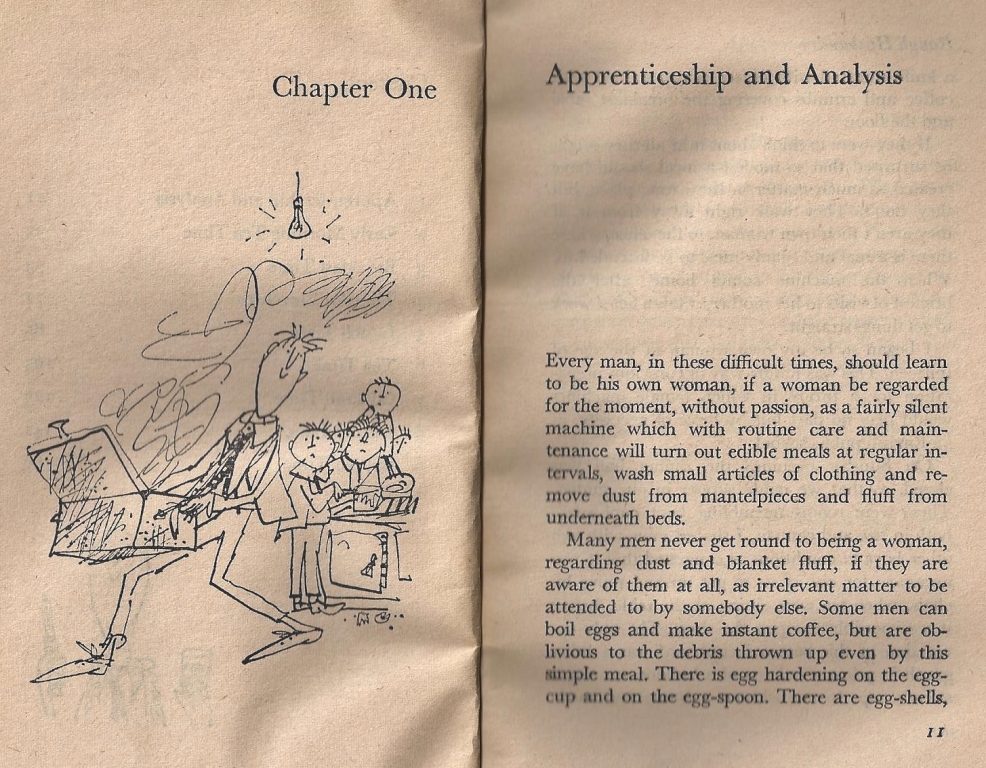
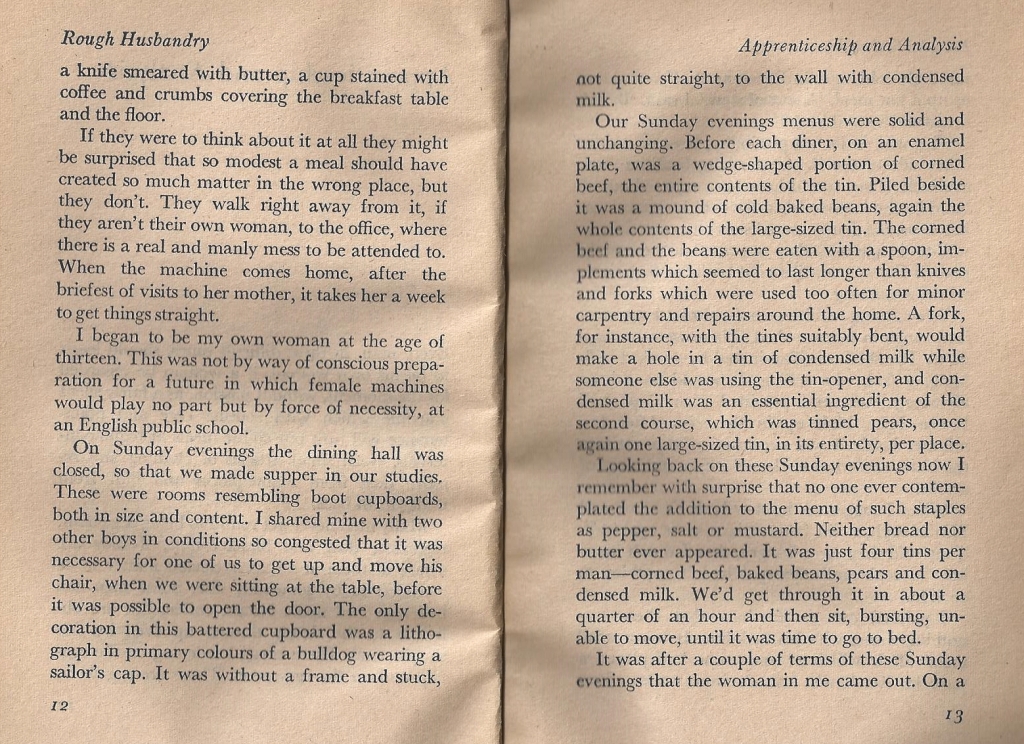
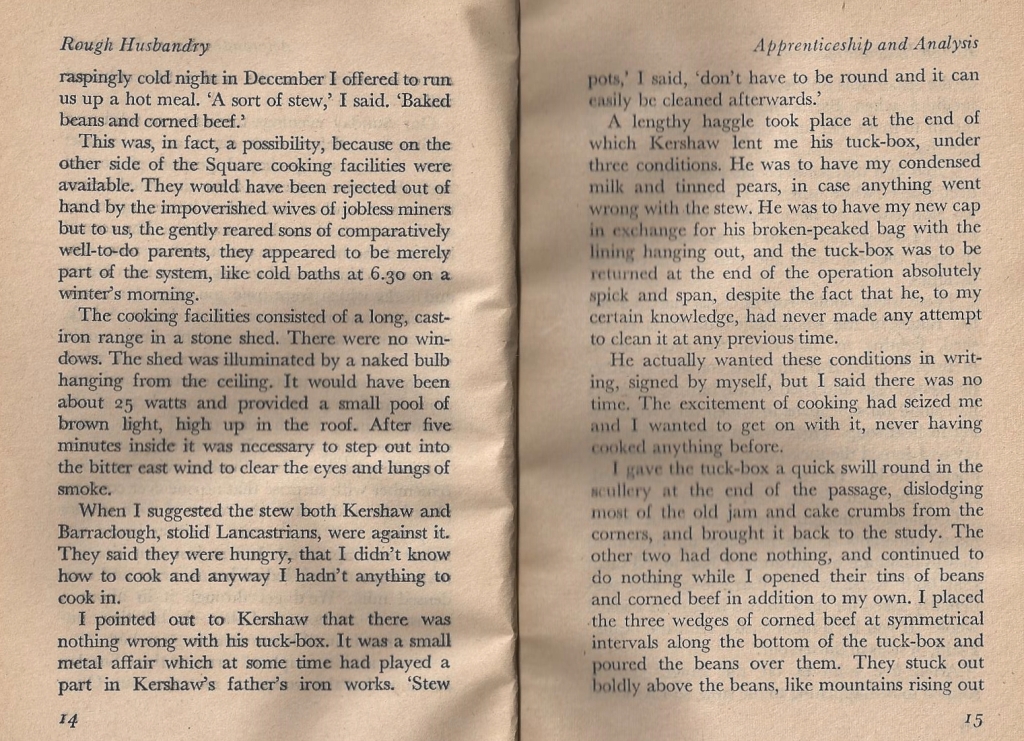
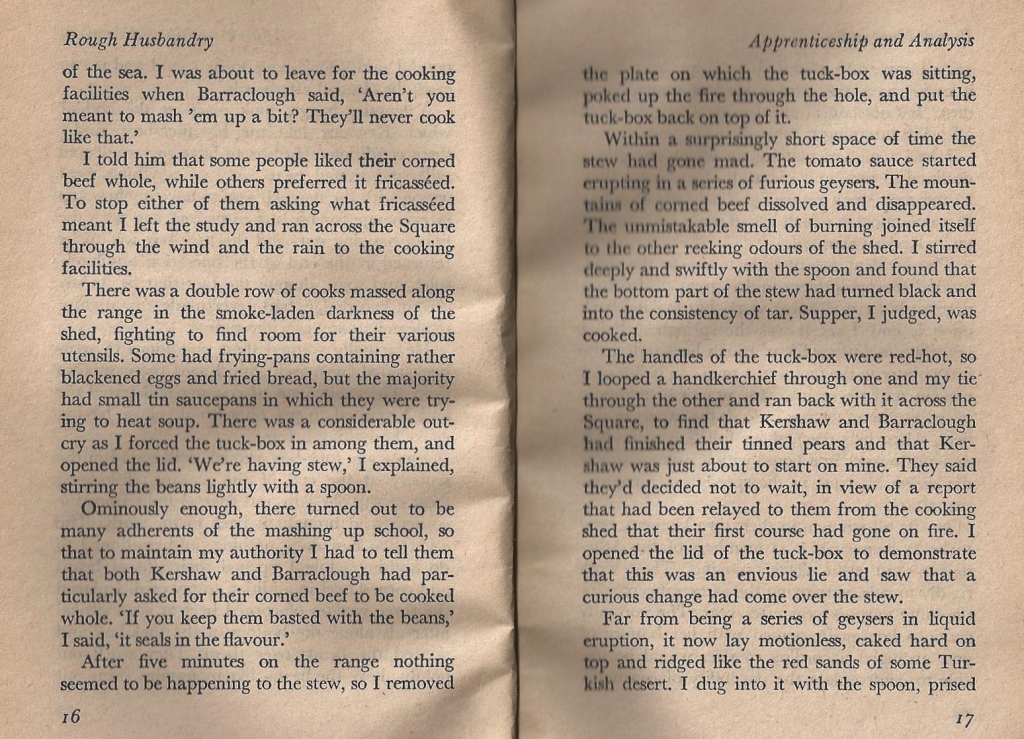
That’s a personal response, but it tells you nothing of the contents, does it? Here you go, an example of what’s inside. Only the first chapter deals in boyhood reminiscences, but the ensuing adult kitchen adventures are a natural evolution of young Patrick’s quest to improve his personal comfort levels, domestically speaking.

The excerpt breaks off rather suddenly, but should give you enough of a taste (pun intended) to see whether this is your sort of thing. Clicking the images should enlarge them for easier reading.

rough husbandry patrick campbell excerpt pg 1 001rough husbandry patrick campbell excerpt pg 2 001rough husbandry patrick campbell excerpt pg 3 001rough husbandry patrick campbell excerpt pg 4 001


Read Full Post »


Here are some more of my decidedly well-appreciated Century of Reading Project books from months ago, as the calendar continues its relentless turning to the close of 2014.
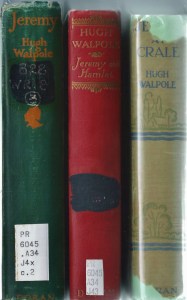
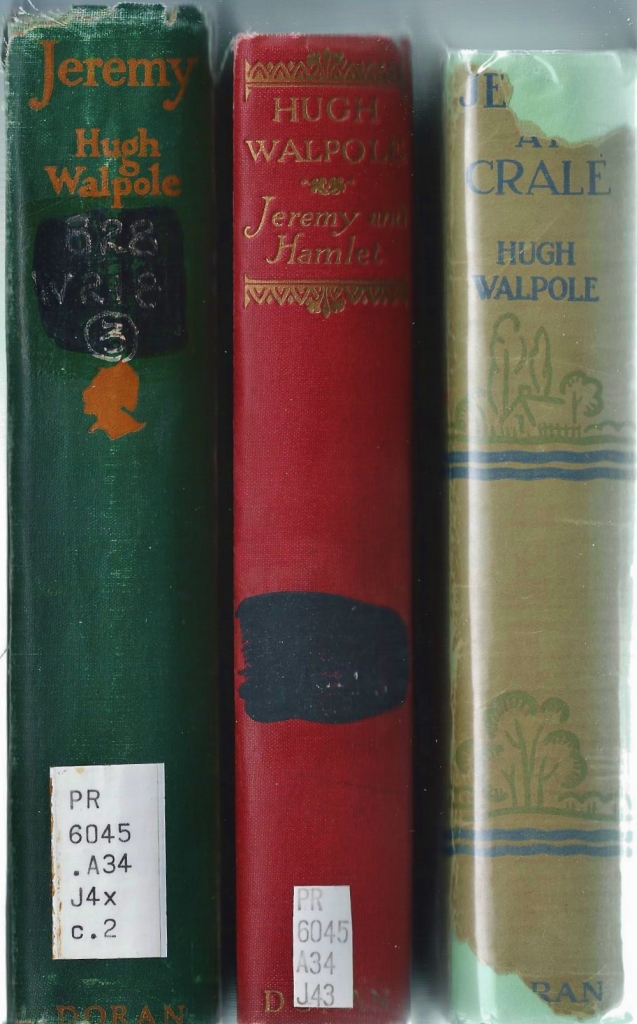
jeremy trilogy hugh walpole 001The Jeremy Stories, 1919-1927, by Hugh Walpole.

These three novels belong together, being a trilogy of the boyhood adventures of a certain young Jeremy Cole, based on the younger days of the author himself, but with much creative leeway. The setting of the Jeremy books was an imaginary cathedral town, Polchester, which the author created fabricated by combining features of real towns Truro and Durham. Polchester worked so well that Hugh Walpole used it as a setting for a great number of his other novels.

While the Jeremy books are about a child, they are not necessarily children’s books, being written from a decidedly adult perspective of looking back on juvenile thoughts and feelings, and sometimes relating them to the person the child was to become.

Thoughtful, moving, and frequently very funny, these books were tremendously popular in their time, enough so that “Jeremy” enjoyed quite a vogue as a boys’ name in the years after their publication, while Walpole’s authorial star was still on its blazing way up the literary sky.

I believe all three of these titles are available online through Project Gutenberg, though I of course recommend the vintage paper versions as the very best way to savour their goodness.
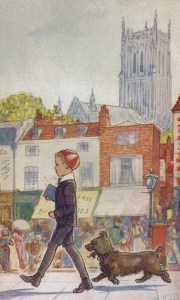
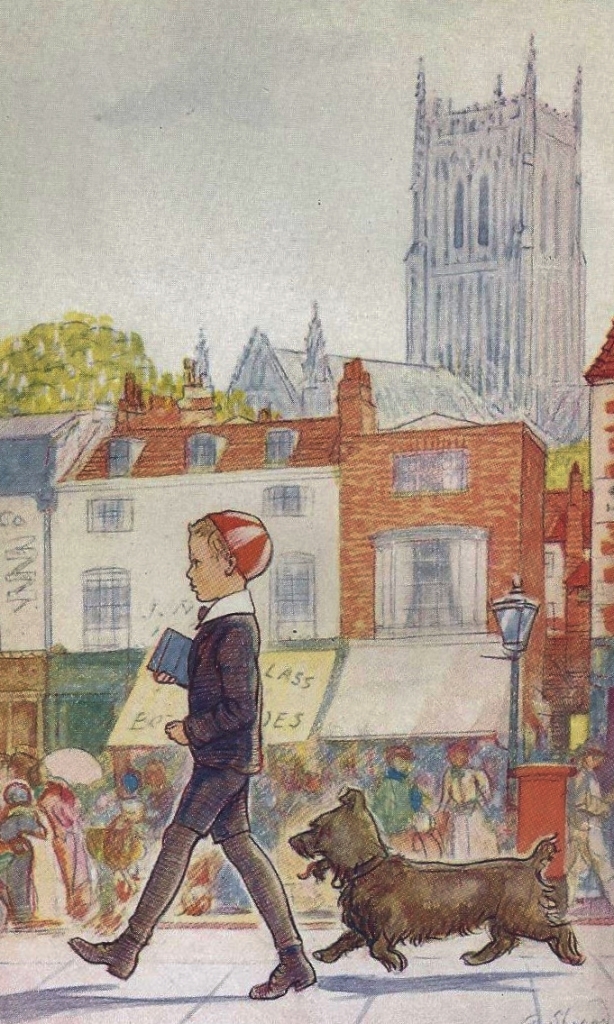
Jeremy and his canine familiar, Hamlet, portrayed by E.H. Shepard in the 1919 edition of Jeremy.

Jeremy and his canine familiar, Hamlet, as portrayed by E.H. Shepard in the 1919 edition of Jeremy.

Jeremy by Hugh Walpole ~ 1919. This edition: George H. Doran Company, 1919. Illustrated by Ernest H. Shepard. Hardcover. 341 pages.

We meet Jeremy on the morning of his eight birthday, December 8, 1892, and follow him through the next year, until his departure for boarding school. This first installment in what would eventually be three books about Jeremy is tremendously autobiographical in nature, with Walpole continuously shifting back and forth from first person descriptions of his own childhood to that of young Jeremy. Jeremy is not, however, Walpole himself; he is instead a slightly separated compatriot, an amalgam of the real and the plausibly imagined. Chapters focussing on Jeremy’s sisters – one older, one younger – add greatly to the narrative.

Jeremy and Hamlet by Hugh Walpole ~ 1923. This edition: George H. Doran Company, 1923. Hardcover. 305 pages.

It is 1894, and Jeremy is now 10 years old. He’s away at school for a goodly portion of this tale, and his mongrel dog Hamlet, a terrier-something-type, acquired during the time of the first book, Jeremy, is left behind at home. Walpole takes a creditable stab at looking at the world from a dog’s eye view, and by and large pulls it off. Jeremy has his trials and tribulations off at school, as Hamlet does back at home, but both win through by applying their pugnacious tenacity to their various challenges.

Jeremy at Crale: His Friends, His Ambitions and His One Great Enemy by Hugh Walpole ~ 1927. This edition: George H. Doran Company, 1927. Hardcover. 356 pages.

Now fifteen, Jeremy is in his third year at his public school, Crale. He’s something of a popular success, finding himself very good indeed at football. He acquires an enemy, whom he meets in schoolboy combat with the expected results. By the end of the tale he is well on the way to adulthood, having staunchly weathered all of the challenges of early adolescence in a boys’ school atmosphere. We part with Jeremy just as he is making tentative advances to a new friend, and we have no doubt that this latest relationship will prove a lasting and mutually beneficial one. This last novel is perhaps the most stereotypical of the lot, as Jeremy submerges much of his quirky personality in order to survive amongst the rather brutal masculine peer group of the school. Walpole reportedly had some rather dismal school experiences, and we do catch a lot of that angst, though Jeremy is thick-skinned enough to survive such encounters as his creator perhaps had more trouble with during his own school days. Favourably compared to Kipling’s Stalky & Co. in contemporary reviews, and I concur, though I’ve never been an early 20th Century British public school boy myself so can only relate at a very far distance. 😉

My collective rating: 9/10. Very much deserving of a more in-depth examination, as I couldn’t find much at all about these appealing and now-obscure books online.
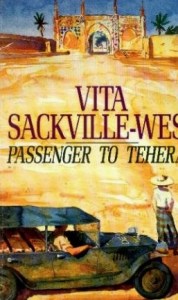
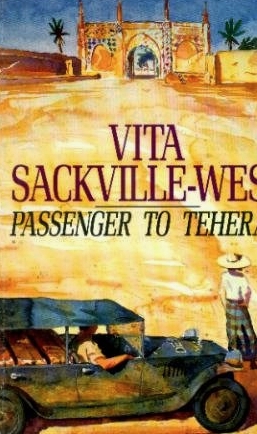
passenger to teheran vita sackville-west 1926Passenger to Teheran by Vita Sackville-West ~ 1926. This edition: Arrow Books, 1991. Paperback. ISBN: 0-09-973350-1. 128 pages.

My rating: 8/10

If I could give this opinionated travel memoir a subtitle, I’d rather meanly suggest “People Not Like Us”, because Vita Sackville-West is in full snob mode from start to finish, though to be fair she does call herself on it very briefly at one point, murmuring something to the effect that she realizes the quaint Egyptian peasants are noteworthy mostly because they are “exotic”, and that their compatriots back home in England are viewed as not being worthy of a similar romanticism, being too, too dreary for words, because of overfamiliarity.

Despite the annoyance this writer’s aristocratically-exclusive self-regard always triggers in me, I do like her style and persist in reading her works of fiction and memoir with true pleasure.

In 1926 Vita Sackville-West travelled solo through the Strait of Gibraltar, across the Mediterranean, and through Egypt, Iraq and Persia (as Iran was then called) to the Persian capitol of Teheran, where she was to join her husband, diplomatic counsellor Harold Nicolson, for a long visit which was to include attendance at the coronation of Shah Reza Khan.

Vita’s opening words regarding travel writing to the contrary, this book is a tiny masterpiece of observation, telling us as much about its writer as about the people and places she observes.

Travel is the most private of pleasures. There is no greater bore than the travel bore. We do not in the least want to hear what he has seen in Hong-Kong. Not only do we not want to hear it verbally, but we do not want—we do not really want, not if we are to achieve a degree of honesty greater than that within the reach of most civilised beings—to hear it by letter either. Possibly this is because there is something intrinsically wrong about letters. For one thing they are not instantaneous. If I write home to-day and say (as is actually the fact), “At this moment of writing I am sailing along the coast of Baluchistan”, that is perfectly vivid for me, who have but to raise my eyes from my paper to refresh them with those pink cliffs in the morning light; but for the recipient of my letter, opening it in England at three weeks’ remove, I am no longer coasting Baluchistan; I am driving in a cab in Bagdad, or reading in a train, or asleep, or dead; the present tense has become meaningless…

After the coronation visit and a certain amount of exploration of the Iranian countryside, Vita returned to England by a circuitous route; by train through Russia, Poland, Germany, Holland and then back home to England.

…I forget the name of the German village; I know only that I had three hours’ sleep in a clean little room with an iron bedstead and a blue tin basin, and that we were all in a train again by six the next morning. That day passed in a haze: Königsberg; a long wait there, drinking coffee out of thick cups and looking at photographs in the German papers of the scenes in Warsaw; then another train; the Polish Corridor; East Prussia; Berlin. Farewell to my companions, who were to scatter to their destinations. The efficiency of Berlin; the quick, good taxi, striped black and white like a bandbox; the lighted streets; the polished asphalt; the Kaiserhof. I was travel-stained and tired; the servants at the Kaiserhof looked at me with polite suspicion; I revenged myself on them by sending for the head waiter, ordering the best dinner and the most expensive wine, and by distributing enormous tips out of my wad of American notes. As I had not had a proper meal since leaving Moscow, I took a good deal of trouble over the ordering of that dinner. I was afraid I might have to spend the night in Berlin, but I discovered a train that left for Flushing at ten; next morning found me in Holland. The customs-house officer at the Dutch frontier made me an offer of marriage. Then everything began to rush. Was I on the sea? very rough, too; beautiful, green, white-crested waves; was I at Folkestone? with English voices talking round me? was that Yew Tree Cottage and the path across the fields? Were those the two pistons at Orpington, still going up and down, and still a little wrong? Was I standing on the platform at Victoria, I who had stood on so many platforms? The orange labels dangled in the glare of the electric lamps. PERSIA, they said; PERSIA.

A note on the Arrow Books edition: This does not include any of the photographs from the original publication. If possible, try to attain one of the illustrated editions; the pictures are a fascinating enhancement of the text.

At a mere 128 pages this is a highly condensed version of Vita’s travels, but every word is, as was expected, perfectly placed.

Recommended.
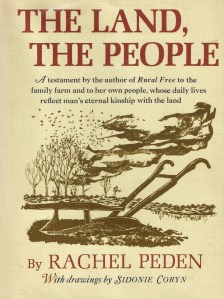
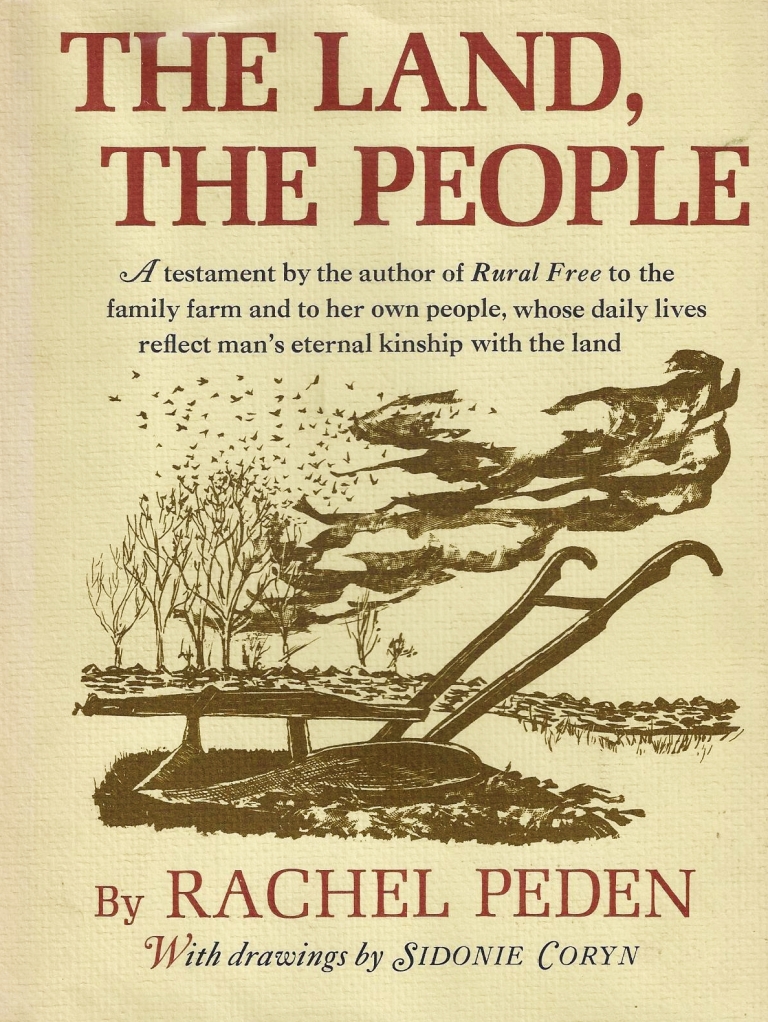
the land the people rachel peden 001The Land, The People by Rachel Peden ~ 1966. This edition: Knopf, 1966. Illustrated by Sidonie Coryn. Hardcover. 332 pages.

My rating: 10/10

Rachel Peden, in discussing her intent in The Land, the People, written in the later years of her life, and in the third decade of her writing career, had this to say:

I wanted the land to be the main character, and to write about the family farm, its change, survival, character, and of people’s love of the land and need of it as a basic human hunger…To say man is of the earth and that his well-being, even his very survival, depends on an occasional return to it is not enough. It is important to try to find out why this is true…

At first I thought I would start by saying that this book is not for everyone, perhaps, being a quiet yet rock-solid tribute to a particular place and a particular people, but on further pondering I think I am mistaken.

It may appeal most to the country dweller, or to the person who cherishes his or her rural roots, or to the historian of a certain era of American farming in a certain locale, but its message is universal.

Rachel Peden, in this calmly powerful book and in her other two appreciations of farm and country life, Rural Free and Speak to the Earth, and in her thousands of newspaper columns composed and published over four decades, from the 1940s to the mid-1970s, emphasizes over and over again the necessity for even the most dedicated urbanite to occasionally stoop down, as it were, and to touch the Great Mother and for a moment or two remember where we came from, and what ultimately sustains us.

Peden cast her writerly net wide, and caught up a diverse array of characters, incidents and episodes. Her style moves gracefully from the everyday to the poetic and back again with enviable ease; truly a reader’s delight.

Rachel Peden’s personal patch of earth was Monroe County, Indiana. She came from a long line of farm people, married a farmer, and was succeeded, after her death at 74 years of age in 1975, by her son and his family on the family acres. The Land, the People is to a great extent a memoir, her private testament to her own origins, and, on a higher level, a statement of her heartfelt belief in the importance of maintaining a strongly local farming tradition.

Watching the encroachment of urban sprawl, the increased mechanization and consolidation of what once were smallholdings into factory farms, and the casual acceptance of food staples arriving in some of America’s best farming regions from all around the world – lower cost trumping higher quality in many cases, not to mention the associated abandonment of small-plot farming as a viable career in a modern age – Peden calls out to her readers to be very careful as to where they are going, and to look back at where they came from, before it is too late.

Now, this sounds rather serious and dark and gloomy, but I assure you that this is far from being the case. Rachel Peden is no Cassandra; her observations are never full of woe. She never, ever preaches, but appeals instead to us as equals who recognize and appreciate the dilemmas (and not infrequent joys) experienced by farmers and country dwellers everywhere.

Much of the appeal of her writing is in her continual descriptions of the natural wonders which life on the land continually spread before one, from the tiniest of spring flowers to the most venerable of oak trees being toppled by lightning; insects and birds and animals; and, most lovingly, people of all sorts and ages. Community, in its broadest and best sense.

Four episodes make up The Land, the People. Each sets a different tone; each is a grand piece of writing; each makes me wish that Rachel Peden had written more long-form pieces rather than being bound to the conventions of the newspaper articles which made up the vast bulk of her work.

  • High Gap Is the Lord’s – Rachel Peden’s father was an accomplished orchardist, and this first piece is both childhood memoir concerning Rachel and her siblings, and a loving remembrance of her perfectionist father and sensitive and practical mother.
  • The Starling’s Voice – A short, intense depiction (fictional?) of a man’s obsession with his plot of land.
  • Wide and Starry Night – A memoir and fond biography of Rachel’s beloved father-in-law, Walter Peden.
  • The Fulness of Maple Grove – Rachel speaks to her own piece of land, and to her role as wife and mother, as well as her vision of herself and her family as custodians of their “borrowed” acres, preserving and increasing their farm’s fertility for future generations.

Read Full Post »


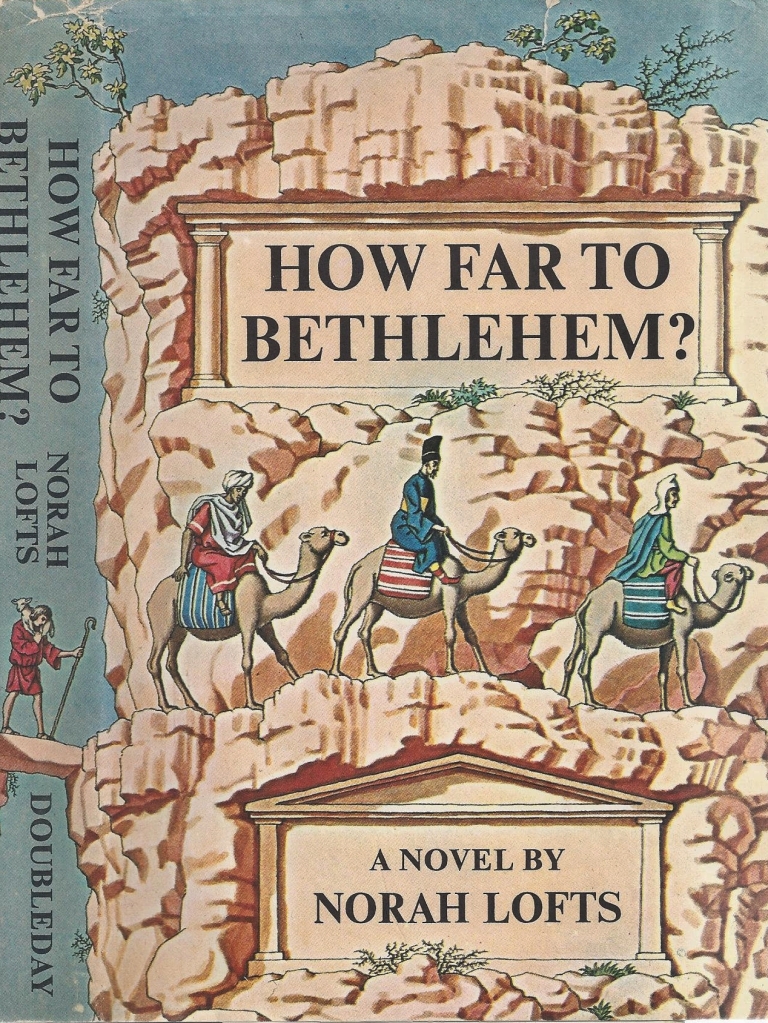
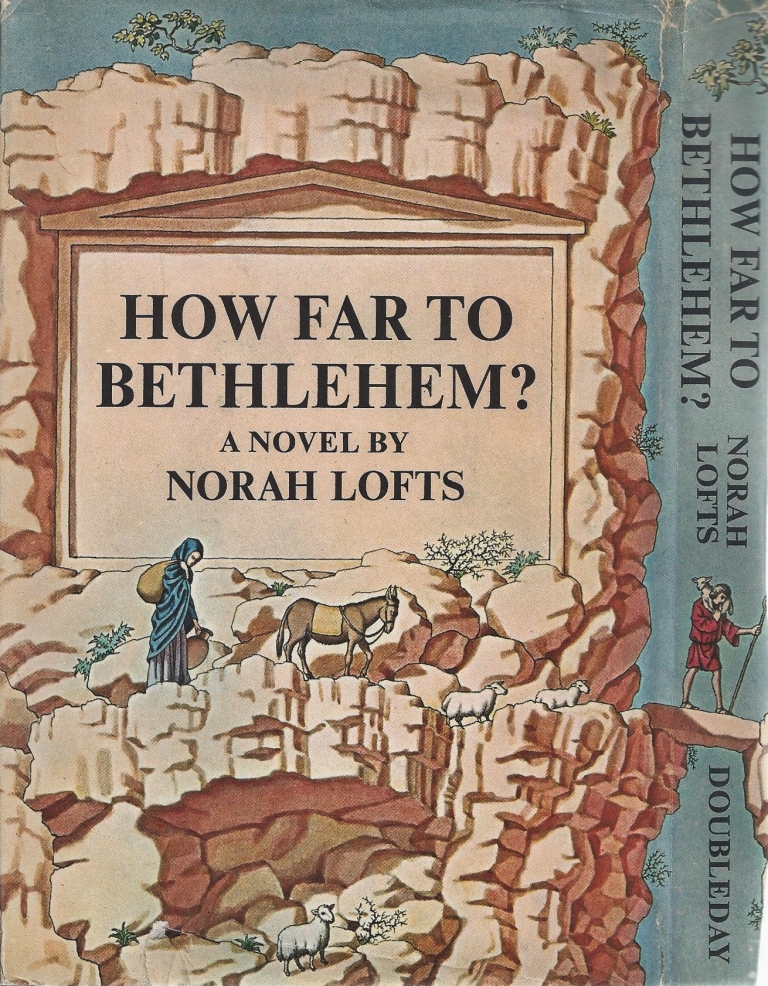
This is one of the most lovely book jackets I've ever seen, a wrap-around illustration by Antony Groves-Raines, from my 1965 Doubleday "Book Club Edition".

This is one of the more attractive vintage book jackets I’ve yet seen, a wrap-around illustration by Antony Groves-Raines, from my 1965 Doubleday “Book Club Edition”. This is the front.

And this is the bag. Try to imagine them together. I tried scanning it as one section, but my scanner is just a bit too small for the whole thing.

And this is the back. Try to imagine them together. I wanted to include it as one continuous illustration, but my scanner bed was just a bit too small for the whole thing.

How Far to Bethlehem? by Norah Lofts ~ 1964. This edition: Doubleday, 1965. Hardcover. 246 pages.

My rating: 5.5/10

December 9, 2014: Christmas is coming – ready or not! – and in the interests of highlighting some seasonal reading I offer you this post from a year ago. Originally posted in December of 2013, here are my thoughts on Norah Lofts’ creative retelling of the Christmas story. I’m not planning on a re-read this particular December, but it did have its moments, and is worth a look for those of us who rather admire Lofts. When she is good, she is more than decent, but when she bobbles…well…I’ve still read much worse.

*****

I’d decided to try to read some seasonal literature to go with the upcoming Christmas season, and what better way to start, I thought, than with this one, going right back to the source, as it were.

As you can see from my rating, it was an adequate though not an astounding success. I mildly enjoyed Norah Lofts’ attempt, but found that I could not fully enter into this creative re-imagining of the story of the birth of Christ, for reasons touched on below.

The narrative abruptly jumps around from character to character, which, though initially confusing, actually turned out to be a good thing, as the side characters were much the most interesting, with completely invented backstories, unlike Mary and Joseph, who were constrained by the traditional story.

We start out with the young Mary, imagined by Lofts as an enthusiastic lover of both lilies and donkeys – themes which tenaciously follow the girl throughout the tale – and the Annunciation, with the Angel Gabriel appearing to her and then to Joseph. Mary is portrayed as a very lovely, rather dreamy girl, much prone to episodes of introspection when she seems to be communicating with a greater power, which of course she is, if we accept her special status as Mother-of-God-to-be. She accepts the angel’s visit as the nebulous “big thing” she has been waiting for all of her life, and surrenders herself fully to her fate, though she has moments of great inner turmoil when she considers her baby’s eventual torment and death according to the ancient prophesies concerning the Messiah.

And this was were my first moments of readerly disconnect came in, as the author insisted on discussing the popularly accepted details of the end of Christ’s earthly life. It’s been a good many years since I attended a Bible Study class, but I don’t recall that much detail in the Old Testament prophecies concerning the Messiah; it was all rather mysterious in a soothsayers’ sort of way, and didn’t really get in to details such as how long the Messiah would be here on earth for, or the manner of his demise, even that he would be born of a virgin. Mary and Joseph both discuss the role that the coming Messiah will play in sacrificing himself for mankind’s sins; I rather thought that the expectation among the Hebrews of the day was more in the nature of a military leader. Though it is lovely of the author to provide Mary with this insight, it didn’t feel all that convincing. And more was soon to come.

The three wise men/three kings share the spotlight with Mary, and they are imagined in rather untraditional ways, made possible because their mention in the actual Bible narrative is superficial at best, and their place in the Nativity story more folkloric than theologically based. In Lofts’ version, Melchior is a Korean astronomer, Gaspar is a Mongol chieftain, and Balthazar is a runaway African slave, and their coming together and subsequent travels make up the better part of the book. It generally works, and some of their escapades are nice little novellas all on their own.

Highlights toward the end of the book which I thought interesting and well written as the author rather let herself go away from the constraints of clinging to the skeleton of the Biblical framework were a visit by the three “kingly” travellers to Herod’s palace in Jerusalem, and a night at a Roman military barracks; both episodes had some creative detailing which sparked them to life rather more than some of the other vignettes.

The innkeeper at Bethlehem gets his own mini-history as well, some of which was quite enthralling. In Norah’s imagination he is a Greek ex-sailor, and her description of his perilous voyage on a tin ship through the mist-shrouded ocean to the barbarous isles on the other side of the Pillars of Hercules was a fascinating and convincingly written inclusion which had me wanting more.

Her version of the shepherds was less than stellar, though. It felt highly contrived, with the chief shepherd being a grieving father of a son recently crucified by the Romans for a minor infraction; the author just wouldn’t quit with the meaningfulness of all of this, and it was another jarring note; much better if it would have been played a bit softer. Oh, and that very shepherd is represented as being the father of Lazurus, Martha and Mary – key players of an incident some years later in the New Testament narrative, and another glaring coincidence which annoyed the heck out of me by its total improbability. (If one can use “probable” in the context of any of the events in this re-imagined tale!)

Though there was much to like in this ambitious and creative retelling of the Nativity story, I found that the sections which worked well fictionally were overwhelmed by the less frequent but awkward attempts at bringing in Biblical quotations, and in the excessive use of coincidence in the creation of incidents. What might have been an excellent piece of creative fiction instead turned out to be a slightly off-key homage to a story we already know in its earlier form. The King James version very adequately stands alone and I would have been much happier if Norah Lofts had let herself go a little more and not tried to incorporate so much of the Gospel narrative in her own work.

Does that make any sort of sense? I mean, we already know how it goes, so letting the reader do the work in mentally making it click with the original would have worked, and given us the pleasure of the “Aha!” moment, instead of being bludgeoned by the exceedingly obvious “taken from the Bible” parts. And if one isn’t familiar with the original, it would be a more accessible read, and might well lead one to investigate the source. Perhaps?

I’m a bit grumpy about this, because some of this was, as I already said, quite excellent, and I felt cheated in that it all could have been that way.

Norah Lofts appears to be a firm believer in the Biblical versions of the Nativity which inspired her book, and one must respect that. This is an unusual novel, and rather brave in its attempt to fictionalize such an iconic religious tradition, while remaining true to the source. And her writing is always more than competent, and occasionally inspired.

Damning with faint praise, this feels like, but I could not completely give myself over to the tale, and I was fully willing to when I started. I do wonder how much having a previous knowledge of the King James version of the story influenced my reading pleasure, or lack thereof. While it definitely helped me to appreciate the author’s use of narrative nuances and connections between characters, it made me continually stop and try to make Norah Lofts’ version jive with my memory of what was contained in the books of Matthew, Mark, Luke and John. I did come away with a strongish desire to reread the originals as a sort of refutation to Lofts’ tale, so I’m not quite sure if that is a point in favour or against How Far to Bethlehem?!

But please don’t let my personal response put you off giving this book a whirl. It is much beloved by Norah Lofts’ many dedicated followers for good reason, and it was definitely not at all a chore to read. I easily got over my annoyed moments and followed it through to the end; I will be keeping it around for possible future personal perusal, and because my mother enjoys reading it now and again.

But am I at least more in the Christmas mood now?

Honestly, not really. I think I need to revisit some old favourites, such as the Margot Benary-Isbert stories (The Ark, Rowan Farm and A Time to Love, all set in wartime and post-war Germany) and Pilgrim’s Inn by Elizabeth Goudge, for its sweet Christmas-time finalé. And of course Beatrix Potter’s The Tailor of Gloucester, and Rumer Godden’s The Story of Holly and Ivy, from the children’s bookshelf of annual re-reads.

And Heavenali’s post on Christmassy books gives much scope for exploration of some titles I haven’t yet read, and reminded me of a few I’d forgotten, like Susan Cooper’s The Dark is Rising.

Other Christmas reading suggestions always welcome!

Read Full Post »

« Newer Posts - Older Posts »