Archive for the ‘Poetry’ Category

The Ideal and the Actual Life


Forever fair, forever calm and bright,

Life flies on plumage, zephyr-light,

For those who on the Olympian hill rejoice—

Moons wane, and races wither to the tomb,

And ‘mid the universal ruin, bloom

The rosy days of gods—With man, the choice,

Timid and anxious, hesitates between

The sense’s pleasure and the soul’s content;

While on celestial brows, aloft and sheen,

The beams of both are bent.


Seekest thou on earth the life of gods to share,

Safe in the realm of death?—beware

To pluck the fruits that glitter to thine eye;

Content thyself with gazing on their glow—

Short are the joys possession can bestow,

And in possession sweet desire will die…


Friedrich Schiller, circa 1790

(Poem fragment, translated from the German.)

*****

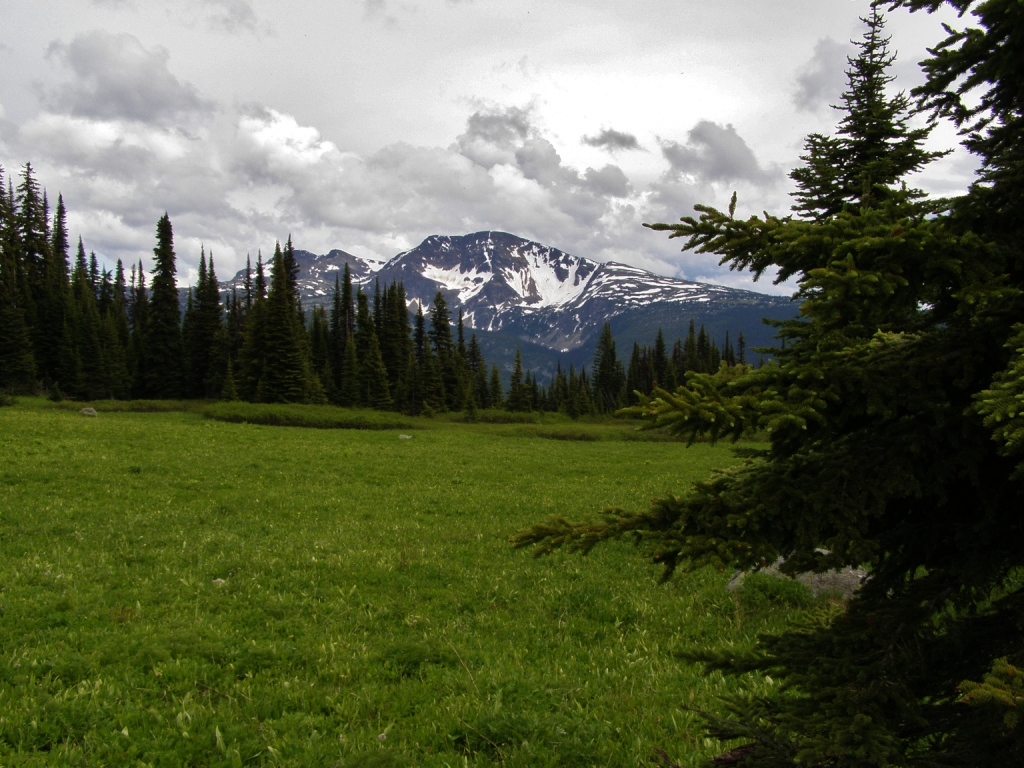
We have been up to our mountaintop and safely – though sore-footed! – back down. Home late last night and today we are, in memory, still walking among the heights, not wanting to return to the prosaic world quite yet. It is seldom that the fulfillment of a small dream is better than hoped for; this was one of those rare occasions. The ideal and the actual, at one with each other!

Read Full Post »

Sonnet III

Not with libations, but with shouts and laughter
We drenched the altars of Love’s sacred grove,
Shaking to earth green fruits, impatient after
The launching of the colored moths of Love.
Love’s proper myrtle and his mother’s zone
We bound about our irreligious brows,
And fettered him with garlands of our own,
And spread a banquet in his frugal house.
Not yet the god has spoken; but I fear
Though we should break our bodies in his flame,
And pour our blood upon his altar, here
Henceforward is a grove without a name,
A pasture to the shaggy goats of Pan,
Whence flee forever a woman and a man.
 

From Second April, 1921

Edna St. Vincent Millay

*****

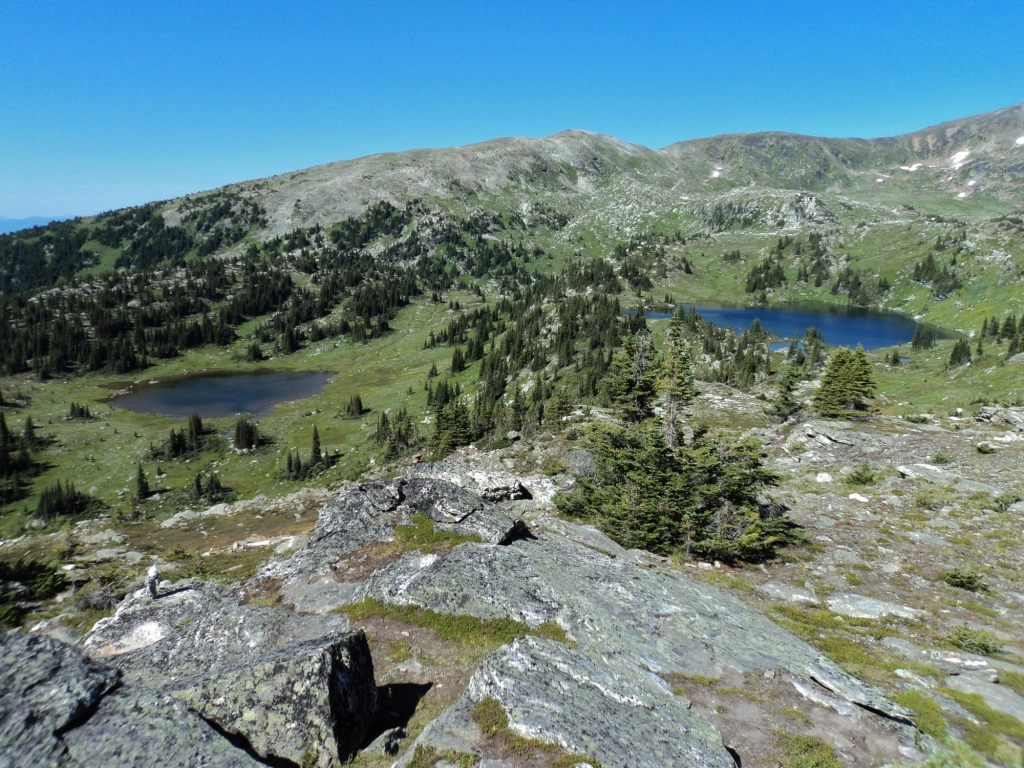
Tomorrow is our 25th wedding anniversary, and we are off to celebrate by hiking up a mountainside. This space may be quiet for a few days, as we ramble together, revisit favourite places, and reminisce far from the wired-in world.

Read Full Post »

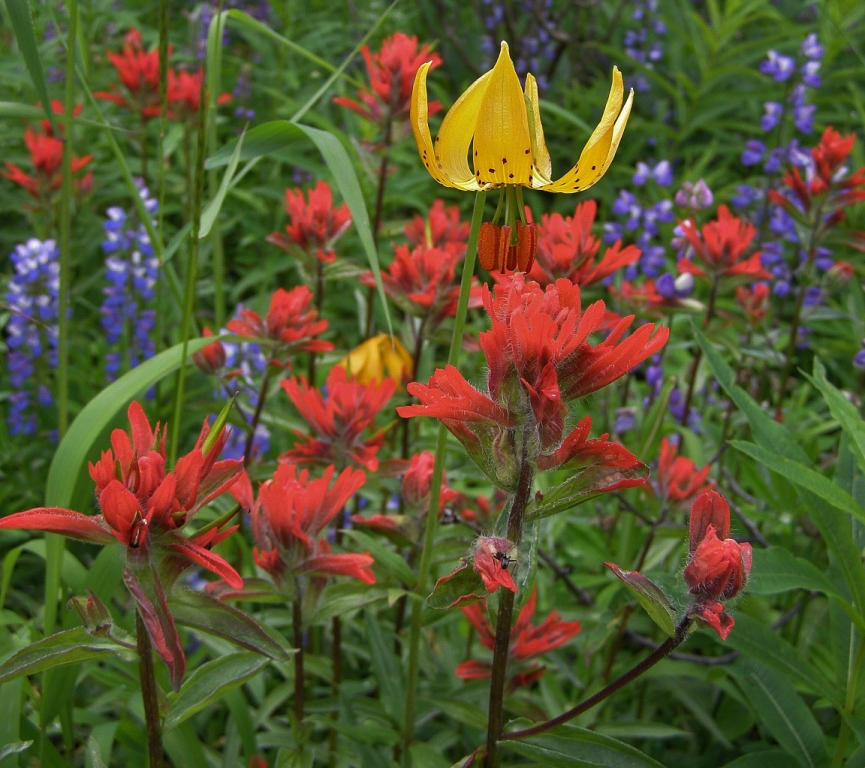
Caught in the rain; vignettes in my July garden. Every afternoon a thunderstorm this past week…

SUMMER STORM

The summer storm comes

        Bolting white lightning; it goes

   Muttering thunder.

Rebecca Caudill, 1976

Read Full Post »

Here’s another Martin Armstrong poem I remembered when searching out the “Honey” poem. Marked in another one of our rather embarrasssingly large collection of vintage poetry anthologies is this gently humorous narrative poem. Some years ago we “collected” a number of Martin Armstrong poems and read them aloud to each other;  Miss Thompson was a favourite.

The time we spent together taking turns reading aloud is one of my favourite memories and one of the greatest joys of our homeschooling time. As everyone is now very much going their separate ways, read-aloud times are a thing of the past; I will need to wait for grandchildren now, I suppose… Hopefully some years in the future, but I find myself pleasantly anticipating a new audience of small rapt listeners, begging for “one more chapter!” Until then, I’m still adding to the story and poetry collections. But I think I may track down a family member or two and see if they would like to indulge in a nostalgic read-aloud session, just to humour their sentimental mom…
MISS THOMPSON GOES SHOPPING

Miss Thompson at Home

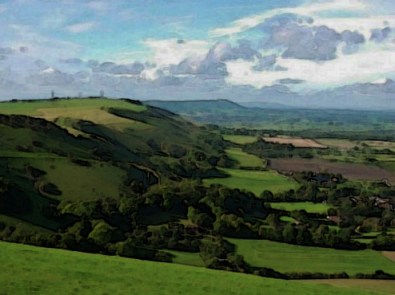
In her lone cottage on the downs,
With winds and blizzards and great crowns
Of shining cloud, with wheeling plover
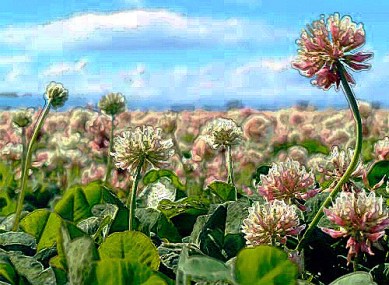
And short grass sweet with the small white clover,
Miss Thompson lived, correct and meek,
A lonely spinster, and every week
On market-day she used to go
Into the little town below,
Tucked in the great downs’ hollow bowl
Like pebbles gathered in a shoal.

She goes a-Marketing

So, having washed her plates and cup
And banked the kitchen-fire up,
Miss Thompson slipped upstairs and dressed,
Put on her black (her second best),
The bonnet trimmed with rusty plush,
Peeped in the glass with simpering blush,
From camphor-smelling cupboard took
Her thicker jacket off the hook
Because the day might turn to cold.
Then, ready, slipped downstairs and rolled
The hearthrug back; then searched about,
Found her basket, ventured out,
Snecked the door and paused to lock it
And plunge the key in some deep pocket.
Then as she tripped demurely down
The steep descent, the little town
Spread wider till its sprawling street
Enclosed her and her footfalls beat
On hard stone pavement, and she felt
Those throbbing ecstasies that melt
Through heart and mind, as, happy, free,
Her small, prim personality
Merged into the seething strife
Of auction-marts and city life.

She visits the Boot-maker.

Serenely down the busy stream
Miss Thompson floated in a dream.
Now, hovering bee-like, she would stop
Entranced before some tempting shop,
Getting in people’s way and prying
At things she never thought of buying:
Now wafted on without an aim,
Until in course of time she came
To Watson’s bootshop. Long she pries
At boots and shoes of every size —
Brown football-boots with bar and stud
For boys that scuffle in the mud,
And dancing-pumps with pointed toes
Glossy as jet, and dull black bows;
Slim ladies’ shoes with two-inch heel
And sprinkled beads of gold and steel —
‘How anyone can wear such things!’
On either side the doorway springs
(As in a tropic jungle loom
Masses of strange thick-petalled bloom
And fruits mis-shapen) fold on fold
A growth of sand-shoes rubber-soled,
Clambering the door-posts, branching, spawning
Their barbarous bunches like an awning
Over the windows and the doors.
But, framed among the other stores,
Something has caught Miss Thompson’s eye
(O worldliness! O vanity!),
A pair of slippers — scarlet plush.
Miss Thompson feels a conscious blush
Suffuse her face, as though her thought
Had ventured further than it ought.
But O that colour’s rapturous singing
And the answer in her lone heart ringing!
She turns (O Guardian Angels, stop her
From doing anything improper!)
She turns; and see, she stoops and bungles
In through the sand-shoes’ hanging jungles,
Away from light and common sense,
Into the shop dim-lit and dense
With smells of polish and tanned hide.

Mrs. Watson

Soon from a dark recess inside
Fat Mrs. Watson comes slip-slop
To mind the business of the shop.
She walks flat-footed with a roll —
A serviceable, homely soul,
With kindly, ugly face like dough,
Hair dull and colourless as tow.
A huge Scotch pebble fills the space
Between her bosom and her face.
One sees her making beds all day.
Miss Thompson lets her say her say:
‘So chilly for the time of year.
It’s ages since we saw you here.’
Then, heart a-flutter, speech precise,
Describes the shoes and asks the price.
‘Them, Miss? Ah, them is six-and-nine.’
Miss Thompson shudders down the spine
(Dream of impossible romance).
She eyes them with a wistful glance,
Torn between good and evil. Yes,
Wrestles with a Temptation;

For half-a-minute and no less
Miss Thompson strives with seven devils,
Then, soaring over earthly levels

And is Saved

Turns from the shoes with lingering touch —
‘Ah, six-and-nine is far too much.
Sorry to trouble you. Good day!’

She visits the Fish-monger

A little further down the way
Stands Miles’s fish-shop, whence is shed
So strong a smell of fishes dead
That people of a subtler sense
Hold their breath and hurry thence.
Miss Thompson hovers there and gazes:
Her housewife’s knowing eye appraises
Salt and fresh, severely cons
Kippers bright as tarnished bronze:
Great cods disposed upon the sill,
Chilly and wet, with gaping gill,
Flat head, glazed eye, and mute, uncouth,
Shapeless, wan, old-woman’s mouth.
Next a row of soles and plaice
With querulous and twisted face,
And red-eyed bloaters, golden-grey;
Smoked haddocks ranked in neat array;
A group of smelts that take the light
Like slips of rainbow, pearly bright;
Silver trout with rosy spots,
And coral shrimps with keen black dots
For eyes, and hard and jointed sheath
And crisp tails curving underneath.
But there upon the sanded floor,
More wonderful in all that store
Than anything on slab or shelf,
Stood Miles, the fishmonger, himself.

Mr. Miles

Four-square he stood and filled the place.
His huge hands and his jolly face
Were red. He had a mouth to quaff
Pint after pint: a sounding laugh,
But wheezy at the end, and oft
His eyes bulged outwards and he coughed.
Aproned he stood from chin to toe.
The apron’s vertical long flow
Warped grandly outwards to display
His hale, round belly hung midway,
Whose apex was securely bound
With apron-strings wrapped round and round.
Outside, Miss Thompson, small and staid,
Felt, as she always felt, afraid
Of this huge man who laughed so loud
And drew the notice of the crowd.
Awhile she paused in timid thought,
Then promptly hurried in and bought
‘Two kippers, please. Yes, lovely weather.’
‘Two kippers? Sixpence altogether:’
And in her basket laid the pair
Wrapped face to face in newspaper.

Relapses into Temptation

Then on she went, as one half blind,
For things were stirring in her mind;
Then turned about with fixed intent
And, heading for the bootshop, went
And Falls.
Straight in and bought the scarlet slippers
And popped them in beside the kippers.

She visits the Chemist

So much for that. From there she tacked,
Still flushed by this decisive act,
Westward, and came without a stop
To Mr. Wren the chemist’s shop,
And stood awhile outside to see
The tall, big-bellied bottles three —
Red, blue, and emerald, richly bright
Each with its burning core of light.
The bell chimed as she pushed the door.
Spotless the oilcloth on the floor,
Limpid as water each glass case,
Each thing precisely in its place.
Rows of small drawers, black-lettered each
With curious words of foreign speech,
Ranked high above the other ware.
The old strange fragrance filled the air,
A fragrance like the garden pink,
But tinged with vague medicinal stink
Of camphor, soap, new sponges, blent
With chloroform and violet scent.

Mr. Wren.

And Wren the chemist, tall and spare,
Stood gaunt behind his counter there.
Quiet and very wise he seemed,
With skull-like face, bald head that gleamed;
Through spectacles his eyes looked kind.
He wore a pencil tucked behind
His ear. And never he mistakes
The wildest signs the doctor makes
Prescribing drugs. Brown paper, string,
He will not use for any thing,
But all in neat white parcels packs
And sticks them up with sealing-wax.
Miss Thompson bowed and blushed, and then
Undoubting bought of Mr. Wren,
Being free from modern scepticism,
A bottle for her rheumatism;
Also some peppermints to take
In case of wind; an oval cake
Of scented soap; a penny square
Of pungent naphthaline to scare
The moth. And after Wren had wrapped
And sealed the lot, Miss Thompson clapped
Them in beside the fish and shoes;
‘Good day,’ she says, and off she goes.
Is Led away to the Pleasure of the Town,
Beelike Miss Thompson, whither next?
Outside, you pause awhile, perplext,
Your bearings lost. Then all comes back
Such as Groceries and Millinery,
And round she wheels, hot on the track
Of Giles the grocer, and from there
To Emilie the milliner,
There to be tempted by the sight
Of hats and blouses fiercely bright.
(O guard Miss Thompson, Powers that Be,
From Crudeness and Vulgarity.)

And other Allurements

Still on from shop to shop she goes
With sharp bird’s-eye, enquiring nose,
Prying and peering, entering some,
Oblivious of the thought of home.
The town brimmed up with deep-blue haze,
But still she stayed to flit and gaze,
Her eyes ablur with rapturous sights,
Her small soul full of small delights,
Empty her purse, her basket filled.

But at length is Convinced of Indiscretion
The traffic in the town was stilled.
The clock struck six. Men thronged the inns.
Dear, dear, she should be home long since.

And Returns Home

Then as she climbed the misty downs
The lamps were lighted in the town’s
Small streets. She saw them star by star
Multiplying from afar;
Till, mapped beneath her, she could trace
Each street, and the wide square market-place
Sunk deeper and deeper as she went
Higher up the steep ascent.
And all that soul-uplifting stir
Step by step fell back from her,
The glory gone, the blossoming
Shrivelled, and she, a small, frail thing,
Carrying her laden basket. Till
Darkness and silence of the hill
Received her in their restful care
And stars came dropping through the air.

But loudly, sweetly sang the slippers
In the basket with the kippers;
And loud and sweet the answering thrills
From her lone heart on the hills.

Martin Armstrong, 1921
Read Full Post »
 HONEY HARVEST

Late in March, when the days are growing longer
And sight of early green
Tells of the coming spring and suns grow stronger,
Round the pale willow-catkins there are seen
The year’s first honey-bees
Stealing the nectar: and bee-masters know
This for the first sign of the honey-flow.

Then in the dark hillsides the Cherry-trees
Gleam white with loads of blossom where the gleams
Of piled snow lately hung, and richer streams
The honey. Now, if chilly April days
Delay the Apple-blossom, and the May’s
First week come in with sudden summer weather,
The Apple and the Hawthorn bloom together,
And all day long the plundering hordes go round
And every overweighted blossom nods.
But from that gathered essence they compound
Honey more sweet than nectar of the gods.

Those blossoms fall ere June, warm June that brings
The small white Clover. Field by scented field,
Round farms like islands in the rolling weald,
It spreads thick-flowering or in wildness springs
Short-stemmed upon the naked downs, to yield
A richer store of honey than the Rose,
The Pink, the Honeysuckle. Thence there flows
Nectar of clearest amber, redolent
Of every flowery scent
That the warm wind upgathers as he goes.

In mid-July be ready for the noise
Of million bees in old Lime-avenues,
As though hot noon had found a droning voice
To ease her soul. Here for those busy crews
Green leaves and pale-stemmed clusters of green strong flowers
Build heavy-perfumed, cool, green-twilight bowers
Whence, load by load, through the long summer days
They fill their glassy cells
With dark green honey, clear as chrysoprase,
Which housewives shun; but the bee-master tells
This brand is more delicious than all else.

In August-time, if moors are near at hand,
Be wise and in the evening-twilight load
Your hives upon a cart, and take the road
By night: that, ere the early dawn shall spring
And all the hills turn rosy with the Ling,
Each waking hive may stand
Established in its new-appointed land
Without harm taken, and the earliest flights
Set out at once to loot the heathery heights.

That vintage of the Heather yields so dense
And glutinous a syrup that it foils
Him who would spare the comb and drain from thence
Its dark, full-flavoured spoils:
For he must squeeze to wreck the beautiful
Frail edifice. Not otherwise he sacks
Those many-chambered palaces of wax.

Then let a choice of every kind be made,
And, labelled, set upon your storehouse racks —
Of Hawthorn-honey that of almond smacks:
The luscious Lime-tree-honey, green as jade:
Pale Willow-honey, hived by the first rover:
That delicate honey culled
From Apple-blossom, that of sunlight tastes:
And sunlight-coloured honey of the Clover.
Then, when the late year wastes,
When night falls early and the noon is dulled
And the last warm days are over,
Unlock the store and to your table bring
Essence of every blossom of the spring.
And if, when wind has never ceased to blow
All night, you wake to roofs and trees becalmed
In level wastes of snow,
Bring out the Lime-tree-honey, the embalmed
Soul of a lost July, or Heather-spiced
Brown-gleaming comb wherein sleeps crystallised
All the hot perfume of the heathery slope.
And, tasting and remembering, live in hope.

Martin Armstrong, 1920

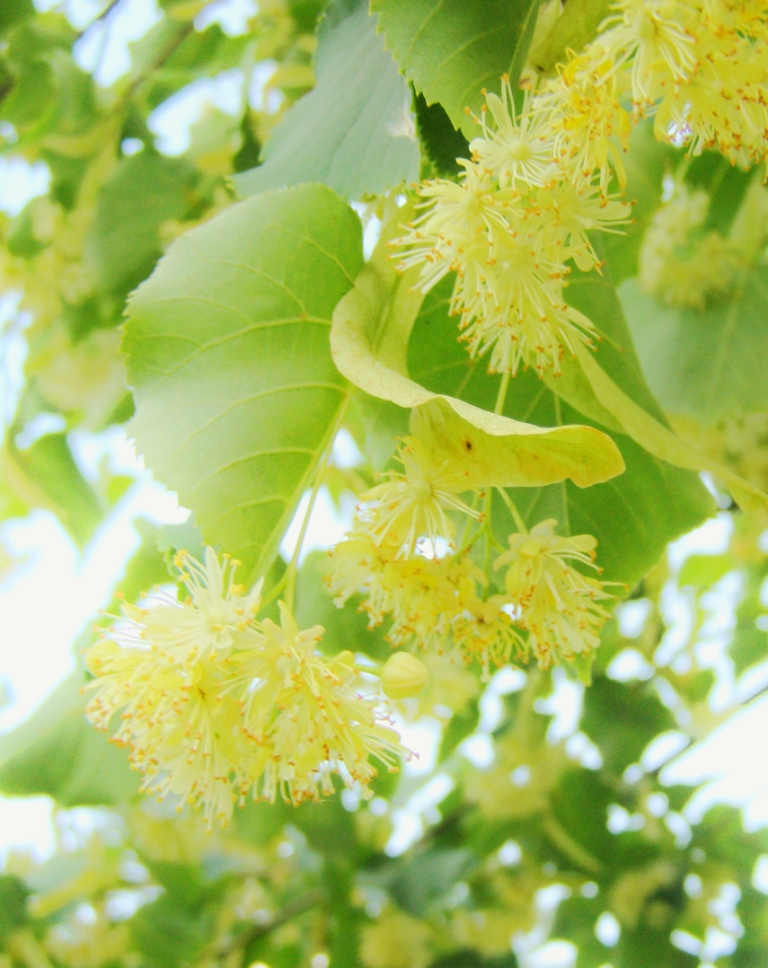
After waiting many years for its maturing enough to finally blossom, the linden tree we planted to commemorate our teenage daughter’s birth is loaded with clusters of intoxicatingly fragrant “lime-flowers”. It is also alive with insects – honey-, bumble- and other wild bees; ants, wasps, and butterflies- a veritable cloud of sound and activity. Today it hit 32°Celsius measured in the shade – very high summer indeed, and all of the honey makers and nectar drinkers are out in full force.

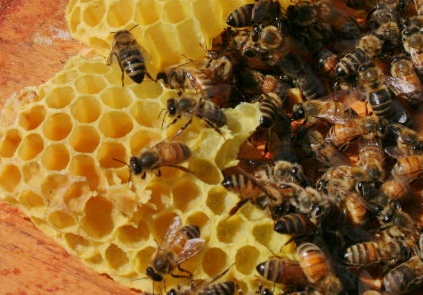
My son works with a local beekeeper, and we are so very fortunate in our ready access to the very freshest and most delectable local honey. Here is a photo they snapped a few weeks ago at the peak of the dandelion nectar flow; I thought it was appropriate to this favourite old poem. An ode to the abiding mystery of honeybees, and the product of their diligent labours!

Read Full Post »

The Baler

You tourist composed upon that fence
to watch the quaint farmer at his quaint task
come closer, bring your camera here 
or fasten your telescopic lens 
if you're too indolent; all I ask 
is that when you go home you take 
a close-up among your color slides 
of vacationland, to show we pay the price 
for hay, this actual panic: no politic fear 
but tumbling wild waves down the windrows, tides 
of crickets, grasshoppers, meadow mice, 
and half-feathered sparrows, whipped by a bleeding snake.
 
Hayden Carruth, circa 1970

Read Full Post »

Leaves of Grass, Flowers of Grass

Leaves of grass, what about leaves of grass?
Grass blossoms, grass has flowers, flowers of grass
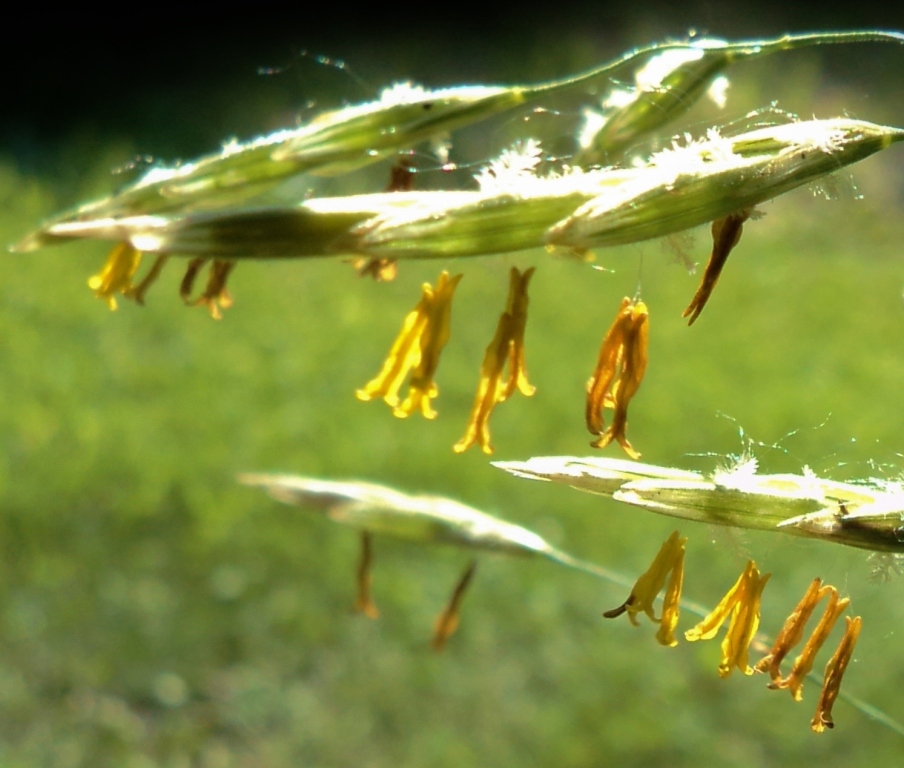
dusty pollen of grass, tall grass in its midsummer maleness
hay-seed and tiny grain of grass, graminiferae
not far from the lily, the considerable lily;
 
even the blue-grass blossoms;
even the bison knew it;
even the stupidest farmer gathers his hay in bloom, in blossom
 just before it seeds.
 
Only the best matters; even the cow knows it;
grass in blossom, blossoming grass, risen to its height and its natural pride
in its own splendour and its own feathery maleness
the grass, the grass.
 
Leaves of grass, what are leaves of grass, when at its best grass blossoms.
 

D.H. Lawrence, circa 1920

Read Full Post »

The sun is finally shining after several weeks of rain, with a forecast of a week of sun and heat, and the Cariboo is alive with the sound of swathers as everyone scrambles to cut their hay. I was out early this morning “looking at the sky” as the ranchers would say, and rather wishing I could be getting ready to cut as well. This year we are grazing off our hayfields in preparation for mid-summer reseeding, so we are feeling a bit anticlimactic as this is the first time in 20-some years the tractor is sitting idle as all around us the farming year hits a high peak of activity.

As I leaned on the fence and mused on summers past, the first lines of this poem, relic of a childhood affection for an old anthology titled Best-Loved American Poems, came suddenly into my head. Rather than  searching through the shelves for the book itself, I turned to the trusty internet. And here she is –  Maud Muller in her innocent glory. A little trip down memory lane, in honour of sun and summer and the sweet smell of hay.

Enjoy!

MAUD MULLER

Maud Muller, on a summer’s day,
Raked the meadows sweet with hay.
 
Beneath her torn hat glowed the wealth
Of simple beauty and rustic health.
 
Singing, she wrought, and her merry glee
The mock-bird echoed from his tree.
 
But, when she glanced to the far-off town,
White from its hill-slope looking down,
 
The sweet song died, and a vague unrest
And a nameless longing filled her breast–
 
A wish, that she hardly dared to own,
For something better than she had known.
 
The Judge rode slowly down the lane,
Smoothing his horse’s chestnut mane.
 
He drew his bridle in the shade
Of the apple-trees, to greet the maid,
 
And ask a draught from the spring that flowed
Through the meadow across the road.
 
She stooped where the cool spring bubbled up,
And filled for him her small tin cup,
 
And blushed as she gave it, looking down
On her feet so bare, and her tattered gown.
 
“Thanks!” said the Judge, “a sweeter draught
From a fairer hand was never quaffed.”
 
He spoke of the grass and flowers and trees,
Of the singing birds and the humming bees;
 
Then talked of the haying, and wondered whether
The cloud in the west would bring foul weather.
 
And Maud forgot her briar-torn gown,
And her graceful ankles bare and brown;
 
And listened, while a pleasant surprise
Looked from her long-lashed hazel eyes.
 
At last, like one who for delay
Seeks a vain excuse, he rode away,
 
Maud Muller looked and sighed: “Ah, me!
That I the Judge’s bride might be!
 
“He would dress me up in silks so fine,
And praise and toast me at his wine.
 
“My father should wear a broadcloth coat;
My brother should sail a painted boat.
 
“I’d dress my mother so grand and gay,
And the baby should have a new toy each day.
 
“And I’d feed the hungry and clothe the poor,
And all should bless me who left our door.”
 
The Judge looked back as he climbed the hill,
And saw Maud Muller standing still.
 
“A form more fair, a face more sweet,
Ne’er hath it been my lot to meet.
 
“And her modest answer and graceful air
Show her wise and good as she is fair.
 
“Would she were mine, and I to-day,
Like her, a harvester of hay:
 
“No doubtful balance of rights and wrongs,
Nor weary lawyers with endless tongues,
 
“But low of cattle, and song of birds,
And health, and quiet, and loving words.”
 
But he thought of his sisters, proud and cold,
And his mother, vain of her rank and gold.
 
So, closing his heart, the Judge rode on,
And Maud was left in the field alone.
 
But the lawyers smiled that afternoon,
When he hummed in court an old love-tune;
 
And the young girl mused beside the well,
Till the rain on the unraked clover fell.
 
He wedded a wife of richest dower,
Who lived for fashion, as he for power.
 
Yet oft, in his marble hearth’s bright glow,
He watched a picture come and go:
 
And sweet Maud Muller’s hazel eyes
Looked out in their innocent surprise.
 
Oft when the wine in his glass was red,
He longed for the wayside well instead;
 
And closed his eyes on his garnished rooms,
To dream of meadows and clover-blooms.
 
And the proud man sighed, with a secret pain,
“Ah, that I were free again!
 
“Free as when I rode that day,
Where the barefoot maiden raked her hay.”
 
She wedded a man unlearned and poor,
And many children played round her door.
 
But care and sorrow, and child-birth pain,
Left their traces on heart and brain.
 
And oft, when the summer sun shone hot
On the new-mown hay in the meadow lot,
 
And she heard the little spring brook fall
Over the roadside, through the wall,
 
In the shade of the apple-tree again
She saw a rider draw his rein,
 
And, gazing down with timid grace,
She felt his pleased eyes read her face.
 
Sometimes her narrow kitchen walls
Stretched away into stately halls;
 
The weary wheel to a spinnet turned,
The tallow candle an astral burned;
 
And for him who sat by the chimney lug,
Dozing and grumbling o’er pipe and mug,
 
A manly form at her side she saw,
And joy was duty and love was law.
 
Then she took up her burden of life again,
Saying only, “It might have been.”
 
Alas for maiden, alas for Judge,
For rich repiner and household drudge!
 
God pity them both! and pity us all,
Who vainly the dreams of youth recall;
 
For of all sad words of tongue or pen,
The saddest are these: “It might have been!”
 
Ah, well! for us all some sweet hope lies
Deeply buried from human eyes;
 
And, in the hereafter, angels may
Roll the stone from its grave away!

John Greenleaf Whittier, 1856

Read Full Post »

PIED BEAUTY

Glory be to God for dappled things –
   For skies of couple-colour as a brinded cow;
      For rose-moles all in stipple upon trout that swim;
Fresh-firecoal chestnut-falls; finches’ wings;
   Landscape plotted and pieced – fold, fallow, and plough;
      And all trades, their gear and tackle and trim.


All things counter, original, spare, strange;
   Whatever is fickle, freckled (who knows how?)
      With swift, slow; sweet, sour; adazzle, dim;
He fathers-forth whose beauty is past change:
                                Praise him.


Gerald Manley Hopkins, 1877

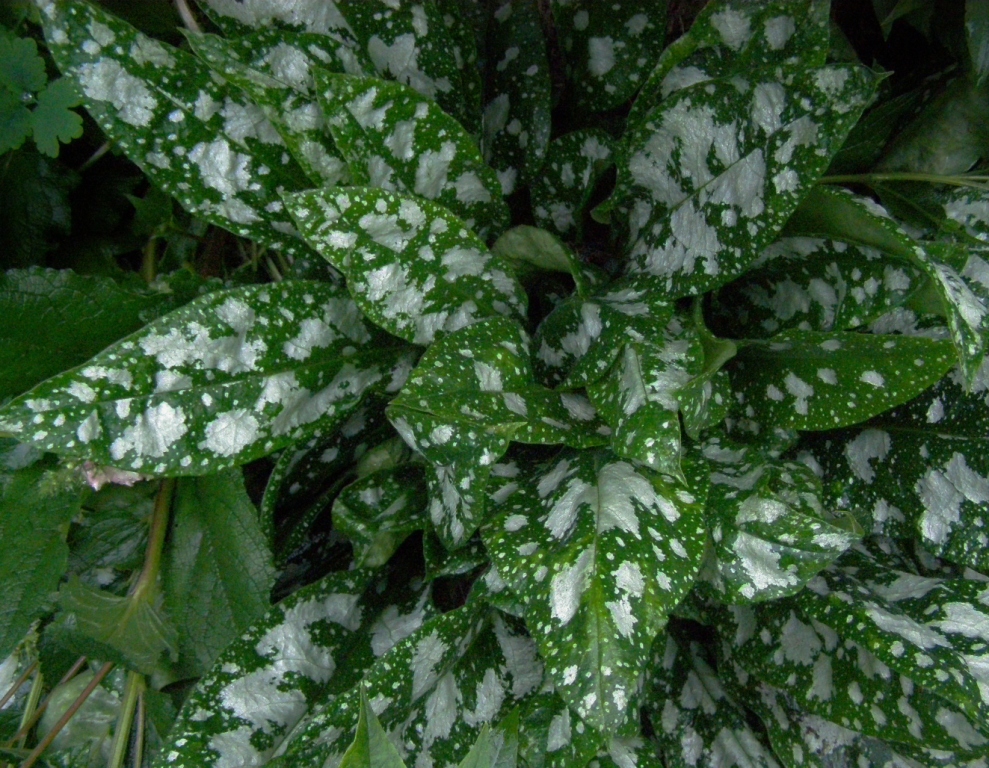
I have always loved this short poem (sonnet?), having personally a strong admiration for variegated plants and dappled horses, among other things. Here is one of my handsome lungworts putting out lush growth in June; the lovely blooms are eclipsed by the freckled leaves, all adazzle and lighting up the shade under the ancient lilacs.

Read Full Post »

SUMMER SOLSTICE

I wanted to see where beauty comes from
without you in the world, hauling my heart
across sixty acres of northeast meadow,
my pockets filling with flowers.
Then I remembered,
it’s you I miss in the brightness
and body of every living name:
rattlebox, yarrow, wild vetch.
You are the green wonder of June,
root and quasar, the thirst for salt.
When I finally understand that people fail
at love, what is left but cinquefoil, thistle,
the paper wings of the dragonfly
aeroplaning the soul with a sudden blue hilarity?
If I get the story right, desire is continuous,
equatorial. There is still so much
I want to know: what you believe
can never be removed from us,
what you dreamed on Walnut Street
in the unanswerable dark of your childhood,
learning pleasure on your own.
Tell me our story: are we impetuous,
are we kind to each other, do we surrender
to what the mind cannot think past?
Where is the evidence I will learn
to be good at loving?
The black dog orbits the horseshoe pond
for treefrogs in their plangent emergencies.
There are violet hills,
there is the covenant of duskbirds.
The moon comes over the mountain
like a big peach, and I want to tell you
what I couldn’t say the night we rushed
North, how I love the seriousness of your fingers
and the way you go into yourself,
calling my half-name like a secret.
I stand between taproot and treespire.
Here is the compass rose
to help me live through this.
Here are twelve ways of knowing
what blooms even in the blindness
of such longing. Yellow oxeye,
viper’s bugloss with its set of pink arms
pleading do not forget me.
We hunger for eloquence.
We measure the isopleths.
I am visiting my life with reckless plenitude.
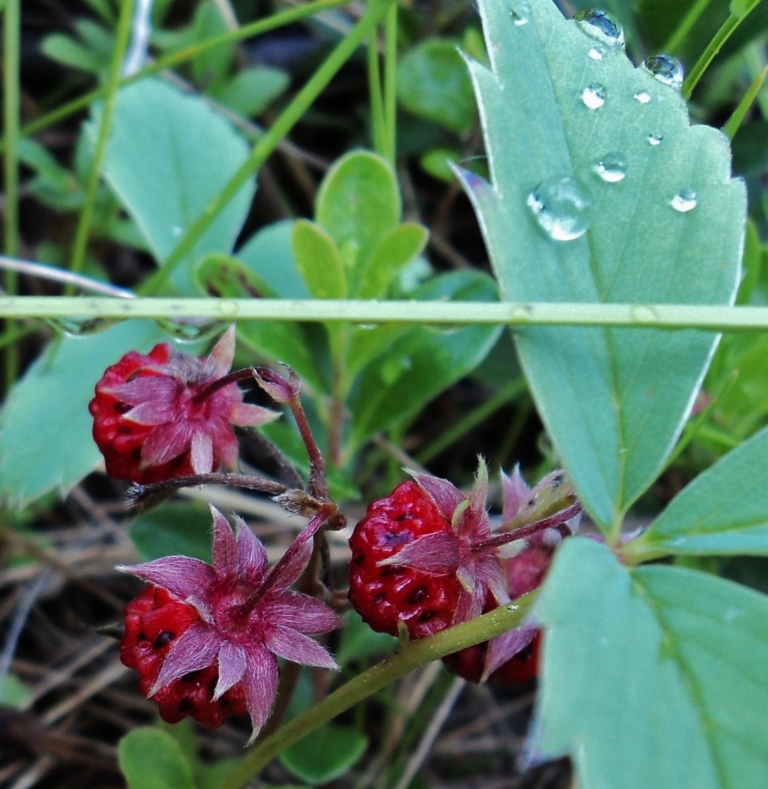
The air is fragrant with tiny strawberries.
Fireflies turn on their electric wills:
an effulgence. Let me come back
whole, let me remember how to touch you
before it is too late.

Stacie Cassarino, 2009.

From Zero at the Bone, New Issues Press.

Read Full Post »

« Newer Posts - Older Posts »